

What's inside
What's inside
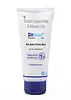 Key Ingredients
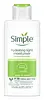
Benefits
Concerns
No concerns
Ingredients Side-by-side

Water
Skin ConditioningGlycerin
Humectant


Paraffinum Liquidum
Emollient

Polyglyceryl-3 Methylglucose Distearate
Emulsifying
Cetyl Palmitate
Emollient
Dimethicone
Emollient
Panthenol
Skin Conditioning

Tocopheryl Acetate
Antioxidant


Borago Officinalis Seed Oil
Emollient
Pantolactone
Humectant
Bisabolol
Antioxidant
Sodium Lactate
Buffering
Lactic Acid
Buffering







Serine
Masking
Urea
Buffering
Sorbitol
Humectant
Allantoin
Skin Conditioning
Sodium Chloride
MaskingPotassium Hydroxide
BufferingCarbomer
Emulsion StabilisingAcrylates/C10-30 Alkyl Acrylate Crosspolymer
Emulsion StabilisingCetyl Alcohol
Emollient

Pentylene Glycol
Skin Conditioning
Disodium EDTA
Methylparaben
Preservative


Propylparaben
Preservative
2-Bromo-2-Nitropropane-1,3-Diol
Preservative
Mica
Cosmetic ColorantTitanium Dioxide
Cosmetic Colorant
Water, Glycerin, Paraffinum Liquidum, Polyglyceryl-3 Methylglucose Distearate, Cetyl Palmitate, Dimethicone, Panthenol, Tocopheryl Acetate, Borago Officinalis Seed Oil, Pantolactone, Bisabolol, Sodium Lactate, Lactic Acid, Serine, Urea, Sorbitol, Allantoin, Sodium Chloride, Potassium Hydroxide, Carbomer, Acrylates/C10-30 Alkyl Acrylate Crosspolymer, Cetyl Alcohol, Pentylene Glycol, Disodium EDTA, Methylparaben, Propylparaben, 2-Bromo-2-Nitropropane-1,3-Diol, Mica, Titanium Dioxide
Reviews
Ingredients Explained
These ingredients are found in both products.
Ingredients higher up in an ingredient list are typically present in a larger amount.
Allantoin is a soothing ingredient known for its protective and moisturizing properties; it's basically a quiet workhorse ingredient you can find in a huge range of cosmetics.
Though it can be derived from the comfrey plant, allantoin is produced synthetically for cosmetic products to ensure purity.
Research shows it can encourage your skin cells to turn over and renew by stimulating keratinocyte and fibroblast proliferation.
It also has mild keratolytic properties to help loosen and shed dead skin cells without being harsh.
Studies also suggest allantoin can help calm inflammation by dialing down some of the chemical signals your skin sends out when it is irritated.
This ingredient is typically used in the 0.1-0.5% range, and the FDA recognizes it as a skin protectant in OTC products up to 2%.
Overall, allantoin is a wonderful addition to most routines; it is stable across a wide pH range (~4-8), works well with other ingredients, and is considered non-sensitizing/non-irritating.
Fun fact: Allantoin is naturally occurring in comfrey root, beets, chamomile, and wheat sprouts. Our bodies even produce it as a byproduct of uric acid metabolism.
Learn more about Allantoin
