This hydrating lip mask is formulated around Simmondsia Chinensis Seed Oil and Ceramide NP to hydrate lips and strengthen the lip barrier.

What's inside
What's inside
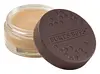 Key Ingredients
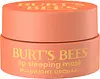
Benefits
Concerns
Ingredients Side-by-side
Caprylic/Capric Triglyceride
Masking


Oleic/Linoleic/Linolenic Polyglycerides
Emollient

C10-18 Triglycerides
Emollient
Glycerin
Humectant
Simmondsia Chinensis Seed Oil
Emollient
Glyceryl Behenate
Emollient
Glyceryl Stearate
Emollient
Hydrogenated Castor Oil
Emollient
Jojoba Esters
Emollient
Octyldodecanol
Emollient
Helianthus Annuus Seed Wax
Skin Conditioning
Ceramide NP
Skin Conditioning



Mentha Piperita Oil
Masking





Caramel
Cosmetic ColorantAcacia Decurrens Flower Wax
Emollient
Polyglycerin-3
Humectant
Limonene
Perfuming
Linalool
Perfuming
Caprylic/Capric Triglyceride, Oleic/Linoleic/Linolenic Polyglycerides, C10-18 Triglycerides, Glycerin, Simmondsia Chinensis Seed Oil, Glyceryl Behenate, Glyceryl Stearate, Hydrogenated Castor Oil, Jojoba Esters, Octyldodecanol, Helianthus Annuus Seed Wax, Ceramide NP, Mentha Piperita Oil, Caramel, Acacia Decurrens Flower Wax, Polyglycerin-3, Limonene, Linalool
Oleic/Linoleic/Linolenic Polyglycerides
Emollient
Prunus Amygdalus Dulcis Oil
Skin Conditioning
Ricinus Communis Seed Oil
Masking
Polyhydroxystearic Acid
Emulsifying
Squalane
Emollient
Aroma

Jojoba Esters
Emollient
Limnanthes Alba Seed Oil
Skin Conditioning
Beeswax
Emulsion Stabilising
Bakuchiol
Antimicrobial





Sodium Hyaluronate
Humectant
Hydrogenated Castor Oil
Emollient
Tocopherol
Antioxidant
Glycine Soja Oil
Emollient
Benzyl Cinnamate
Perfuming
Citral
Perfuming
Citronellol
Perfuming
Geraniol
Perfuming
Limonene
Perfuming
Linalool
Perfuming
Benzyl Benzoate
Antimicrobial
Mica
Cosmetic ColorantTitanium Dioxide
Cosmetic Colorant

Iron Oxides
CI 75470
Cosmetic ColorantOleic/Linoleic/Linolenic Polyglycerides, Prunus Amygdalus Dulcis Oil, Ricinus Communis Seed Oil, Polyhydroxystearic Acid, Squalane, Aroma, Jojoba Esters, Limnanthes Alba Seed Oil, Beeswax, Bakuchiol, Sodium Hyaluronate, Hydrogenated Castor Oil, Tocopherol, Glycine Soja Oil, Benzyl Cinnamate, Citral, Citronellol, Geraniol, Limonene, Linalool, Benzyl Benzoate, Mica, Titanium Dioxide, Iron Oxides, CI 75470
Reviews
Ingredients Explained
These ingredients are found in both products.
Ingredients higher up in an ingredient list are typically present in a larger amount.
Hydrogenated Castor Oil (aka "castor wax") is what you get when castor oil is turned into a wax.
Its dominant fatty acid is ricinoleic acid, giving it both emollient and mild humectant properties.
According to EU CosIng, this ingredient helps soften skin, keep oil and water stay mixed, and thickens products.
Hydrogenated castor oil at 30% did not trigger a positive patch-test reaction and is well-tolerated.
Since this ingredient is based on an 18-carbon fatty acid, it falls into the chain-length range that Malassezia can feed on and may not be fungal acne safe.
Learn more about Hydrogenated Castor OilJojoba Esters is a wax created from Jojoba oil. It is an emollient and film-forming ingredient. In bead form, it is an exfoliator.
This ingredient has high oxidative stability, meaning it doesn't break down when exposed to oxygen.
Its similarity to our skin's natural oils makes it a great emollient. Emollients help soften and soothe our skin by creating a barrier on top. This barrier helps trap moisture in, keeping skin hydrated.
It is created using either the hydrogenation or transesterification processes on jojoba oil.
Learn more about Jojoba EstersLimonene is the compound that gives citrus peel its smell.
In skincare, it shows up as a standalone fragrance ingredient or as a natural compound of citrus and other essential oils.
You'll typically see this ingredient used in very small amounts; anything above 0.001% in a leave-on product or 0.01% in a rinse-off has to be named on the label in the EU. The citrus oils that carry it sit around 0.5-1% in a finished formula.
Fresh limonene is a weak allergen; the real issue is that it slowly reacts with air and then breaks down from oxidation to create hydroperoxides (which are strong sensitizers). This is why suppliers are required to keep the peroxide value below 20 mmol.
Positive reactions in people being investigated for eczema vary:
It's worth skipping if you have a known fragrance allergy or a compromised barrier, but the risk is low for most people.
Older or long-opened products are also more likely to bother you than fresh ones due to oxidation.
Learn more about LimoneneLinalool is a small, naturally occurring scent molecule found in plants like lavender, coriander, bergamot, and more.
It is one of the two most-used fragrance ingredients in cosmetics and added purely for smell. Since it's not used for a skin benefit, there's no "effective dose". Concentration depends on the fragrance load of the product.
The EU requires it to be named on the label above 0.001% in leave-on and 0.01% in rinse-off products.
Fresh linalool is a weak sensitizer but air exposure turns some of it into hydroperoxides, which are strong sensitizers. Those oxidation products are the actual allergy concern.
Patch-test clinics see positive reactions to linalool hydroperoxides in about 4% to 12% of dermatitis patients depending on country and test concentration.
Resassuringly, one analytical study found hydroperoxide levels in real fragranced products to be orders of magnitude below what induced sensitization in animal studies with no evidence of oxidation building up during normal storage.
The practical takeaway is that linalool is fine for most people but worth avoiding if you have a confirmed fragrance contact allergy or a badly compromised barrier.
Products stored a long time after opening are also the high-risk scenario since that is when oxidation happens.
The scent of linalool is described as floral, spicy tropical, and citrus-like.
Learn more about LinaloolOleic/Linoleic/Linolenic Polyglycerides isn't fungal acne safe.


