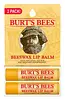
This lip moisturizer is formulated around Cera Alba and Cocos Nucifera Oil to hydrate lips.
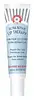
This barrier-repair lip moisturizer is formulated around Simmondsia Chinensis Seed Oil and Butyrospermum Parkii Butter to strengthen the lip barrier and hydrate lips.

What's inside
What's inside
 Key Ingredients
Benefits
Concerns
Ingredients Side-by-side



Diisostearyl Malate
EmollientCera Microcristallina
Emulsion StabilisingSimmondsia Chinensis Seed Oil
Emollient





Butyrospermum Parkii Butter
Skin Conditioning


Vitis Vinifera Seed Oil
Emollient
Copernicia Cerifera Wax
Glyceryl Diisostearate
Emollient
Dimethicone
Emollient
Aroma


Glycerin
Humectant
Triisostearin
Skin Conditioning
Isostearyl Alcohol
Emollient
Avena Sativa Kernel Flour
Abrasive

Hyaluronic Acid
Humectant

Malic Acid
Buffering



Allantoin
Skin Conditioning
Squalane
Emollient
Tocopherol
Antioxidant

Glycine Soja Oil
Emollient
Water
Skin ConditioningChrysanthemum Parthenium Extract
Skin ConditioningGlycyrrhiza Glabra Root Extract
Bleaching
Camellia Sinensis Leaf Extract
Antimicrobial

Leuconostoc/Radish Root Ferment Filtrate
Antimicrobial
Phenoxyethanol
Preservative
EDTA
ChelatingCitral
Perfuming
Limonene
Perfuming
Diisostearyl Malate, Cera Microcristallina, Simmondsia Chinensis Seed Oil, Butyrospermum Parkii Butter, Vitis Vinifera Seed Oil, Copernicia Cerifera Wax, Glyceryl Diisostearate, Dimethicone, Aroma, Glycerin, Triisostearin, Isostearyl Alcohol, Avena Sativa Kernel Flour, Hyaluronic Acid, Malic Acid, Allantoin, Squalane, Tocopherol, Glycine Soja Oil, Water, Chrysanthemum Parthenium Extract, Glycyrrhiza Glabra Root Extract, Camellia Sinensis Leaf Extract, Leuconostoc/Radish Root Ferment Filtrate, Phenoxyethanol, EDTA, Citral, Limonene
Reviews
Ingredients Explained
These ingredients are found in both products.
Ingredients higher up in an ingredient list are typically present in a larger amount.
Glycine Soja Oil is a plant-derived oil from soybean seeds. Like other oils, it is rich in essential fatty acids (mostly linoleic and oleic) that support skin hydration and barrier function.
The fatty acids are able to integrate into the lipid matrix of the stratum corneum to help soften skin and reduce water loss.
On top of that, soybean oil is rich in vitamins like vitamin E, a potent antioxidant.
Research on soybean's active components also point to anti-inflammatory, collagen-stimulating, antioxidant activity, and protection against UV-induced oxidative damage.
Most of this research applies to the broader soybean plant and not just the oil fraction alone.
This ingredient does carry a comedogenic rating of 3 from the old rabbit-ear assay. Just remember testing finished products in humans showed that formulas built with "comedogenic" ingredients are not necessarily comedogenic themselves. It's worth patch testing if you're breakout prone, and always listen to your skin.
Because this ingredient is a saturated triglyceride, it may not be fungal acne safe. This is because Malassezia breaks down sebum triglycerides into fatty acids it can consume, making this ingredient a possible source for the yeast.
Learn more about Glycine Soja OilLimonene is the compound that gives citrus peel its smell.
In skincare, it shows up as a standalone fragrance ingredient or as a natural compound of citrus and other essential oils.
You'll typically see this ingredient used in very small amounts; anything above 0.001% in a leave-on product or 0.01% in a rinse-off has to be named on the label in the EU. The citrus oils that carry it sit around 0.5-1% in a finished formula.
Fresh limonene is a weak allergen; the real issue is that it slowly reacts with air and then breaks down from oxidation to create hydroperoxides (which are strong sensitizers). This is why suppliers are required to keep the peroxide value below 20 mmol.
Positive reactions in people being investigated for eczema vary:
It's worth skipping if you have a known fragrance allergy or a compromised barrier, but the risk is low for most people.
Older or long-opened products are also more likely to bother you than fresh ones due to oxidation.
Learn more about LimoneneTocopherol is a fat-soluble antioxidant known as Vitamin E.
You'll find this ingredient in the vast majority of skincare (for good reason). It works to neutralize free radicals, or unstable molecules generated by UV exposure, pollution, and other environmental stressors, before they can cause oxidative damage to your skin cells.
Topically applied tocopherol has been shown to protect against UV damage by ramping up the skin's own natural defense enzymes.
It also acts as a skin conditioning agent; some studies show that regular topical use can improve the skin's water-binding capacity over 2-4 weeks.
This ingredient is especially loved for being a team player. When combined with Vitamin C, the photoprotective effect of both ingredients roughly doubles and the combo also helps reduce UV-induced DNA damage.
This ingredient has some brightening potential but it's more of a prevention ingredient than spot-fader. Cell studies show it can slow down melanin production but it's worth noting that it's not the most powerful brightener out there.
In formulations, it also serves as a stabilizer that helps protect other oxidation-prone ingredients from degrading.
Concentrations usually range from 0.1-1% in most leave-on products.
Learn more about Tocopherol

