Bourjois Paris Healthy Mix Anti-Fatigue Liquid Foundation Versus Milani Conceal + Perfect 2-In-1 Foundation And Concealer


What's inside
What's inside
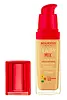 Key Ingredients
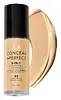
Benefits
Concerns
Ingredients Side-by-side
Water
Skin ConditioningDimethicone
Emollient

Cyclopentasiloxane
Emollient
Butylene Glycol
Humectant

PEG-10 Dimethicone
Skin Conditioning
Aluminum Starch Octenylsuccinate
Absorbent
Phenoxyethanol
Preservative
Sodium Chloride
MaskingDisteardimonium Hectorite
StabilisingDisodium Stearoyl Glutamate
CleansingDimethicone Crosspolymer
Emulsion Stabilising
Tocopheryl Acetate
Antioxidant


Alcohol Denat.
Antimicrobial




Parfum
Masking

Propylene Glycol
Humectant
Panthenol
Skin Conditioning

Aluminum Hydroxide
EmollientSilica
Abrasive

Glycerin
Humectant
Pyrus Malus Fruit Extract
Skin Conditioning
Sodium Hyaluronate
Humectant

Cucumis Melo Fruit Extract
Skin ConditioningPrunus Armeniaca Fruit Extract
Skin ConditioningPotassium Sorbate
Preservative
Sodium Benzoate
Masking
Benzoic Acid
Masking
Pantolactone
Humectant
Sorbic Acid
Preservative
CI 77891
Cosmetic ColorantMica
Cosmetic ColorantCI 77491
Cosmetic ColorantCI 77492
Cosmetic ColorantCI 77499
Cosmetic ColorantCI 77007
Cosmetic ColorantWater, Dimethicone, Cyclopentasiloxane, Butylene Glycol, PEG-10 Dimethicone, Aluminum Starch Octenylsuccinate, Phenoxyethanol, Sodium Chloride, Disteardimonium Hectorite, Disodium Stearoyl Glutamate, Dimethicone Crosspolymer, Tocopheryl Acetate, Alcohol Denat., Parfum, Propylene Glycol, Panthenol, Aluminum Hydroxide, Silica, Glycerin, Pyrus Malus Fruit Extract, Sodium Hyaluronate, Cucumis Melo Fruit Extract, Prunus Armeniaca Fruit Extract, Potassium Sorbate, Sodium Benzoate, Benzoic Acid, Pantolactone, Sorbic Acid, CI 77891, Mica, CI 77491, CI 77492, CI 77499, CI 77007
Water
Skin ConditioningCyclopentasiloxane
Emollient
Isononyl Isononanoate
EmollientCetyl PEG/PPG-10/1 Dimethicone
Emulsifying
Butylene Glycol
Humectant
Glycerin
Humectant
Bis-PEG/PPG-14/14 Dimethicone
Emollient
Vp/Eicosene Copolymer
Ozokerite
Emulsion StabilisingPolymethylsilsesquioxane
Mica
Cosmetic ColorantDisteardimonium Hectorite
StabilisingPropylene Carbonate
SolventPhenoxyethanol
Preservative
Sodium Chloride
MaskingAluminum Dimyristate
Emulsion StabilisingDisodium Stearoyl Glutamate
CleansingTriethoxycaprylylsilane
Silica
Abrasive
Bis-Vinyl Dimethicone/Dimethicone Copolymer
Emulsion Stabilising
Isododecane
EmollientCaprylyl Glycol
Emollient
1,2-Hexanediol
Skin Conditioning
C30-45 Alkyl Cetearyl Dimethicone Crosspolymer
Emollient
Glycereth-18
HumectantGlycereth-18 Ethylhexanoate
Skin ConditioningBeeswax
Emulsion Stabilising


Potassium Sorbate
Preservative
Xanthan Gum
EmulsifyingPrunus Domestica Fruit Extract
MoisturisingC18-21 Alkane
SolventPolyisobutene
Allantoin
Skin Conditioning
Iron Oxides
CI 77891
Cosmetic ColorantWater, Cyclopentasiloxane, Isononyl Isononanoate, Cetyl PEG/PPG-10/1 Dimethicone, Butylene Glycol, Glycerin, Bis-PEG/PPG-14/14 Dimethicone, Vp/Eicosene Copolymer, Ozokerite, Polymethylsilsesquioxane, Mica, Disteardimonium Hectorite, Propylene Carbonate, Phenoxyethanol, Sodium Chloride, Aluminum Dimyristate, Disodium Stearoyl Glutamate, Triethoxycaprylylsilane, Silica, Bis-Vinyl Dimethicone/Dimethicone Copolymer, Isododecane, Caprylyl Glycol, 1,2-Hexanediol, C30-45 Alkyl Cetearyl Dimethicone Crosspolymer, Glycereth-18, Glycereth-18 Ethylhexanoate, Beeswax, Potassium Sorbate, Xanthan Gum, Prunus Domestica Fruit Extract, C18-21 Alkane, Polyisobutene, Allantoin, Iron Oxides, CI 77891
Reviews
Ingredients Explained
These ingredients are found in both products.
Ingredients higher up in an ingredient list are typically present in a larger amount.
Butylene Glycol (or BG) is used within cosmetic products for a few different reasons:
Overall, Butylene Glycol is a safe and well-rounded ingredient that works well with other ingredients.
Though this ingredient works well with most skin types, some people with sensitive skin may experience a reaction such as allergic rashes, closed comedones, or itchiness.
Learn more about Butylene GlycolCi 77891 is a white pigment from Titanium dioxide. It is naturally found in minerals such as rutile and ilmenite.
It's main function is to add a white color to cosmetics. It can also be mixed with other colors to create different shades.
Ci 77891 is commonly found in sunscreens due to its ability to block UV rays.
Learn more about CI 77891Cyclopentasiloxane, or D5, is a silicone used to improve texture of products and trap moisture.
D5 is considered lightweight and volatile. Volatile means it evaporates quickly after application. Once evaporated, D5 leaves a thin barrier that helps keep skin hydrated.
It is also an emollient. Emollients help soften the skin and prevent water loss. Silicones create a silky texture in products. D5 helps other ingredients become more spreadable.
Studies show D5 is safe to use in skincare products. We recommend speaking with a skincare professional if you have concerns.
Learn more about CyclopentasiloxaneDSG is used as a surfactant.
Surfactants are cleansing ingredients that help remove oil, dirt, and other impurities from the skin. They work by reducing surface tension between water and oils/dirt to allow them to be easily rinsed away.
Disteardimonium Hectorite comes from the clay mineral named hectorite. It is used to add thickness to a product.
It can also help stabilize a product by helping to disperse other ingredients.
Hectorite is a rare, white clay mineral.
Learn more about Disteardimonium HectoriteGlycerin (or glycerol) is a compound naturally found in your skin. It's a powerhouse humectant that pulls water into the stratum corneum.
Topically, glycerin does several things at once:
Your skin makes glycerin on its own (mostly from sebaceous oil breakdown) and shuttles it to your outermost layer of skin, or your epidermis, via aquaporin-3.
Aquaporin-3 is a transporter that is essential for normal skin hydration, elasticity, and repair. Interestingly, mice lacking in AQP3 have dry and less elastic skin that can be fully corrected with glycerin.
This ingredient is non-irritating, plays well with almost every ingredient, and works across all skin types. Typical use is anywhere between 3-10% but can go up to 79% in some leave-on products.
Just know very high concentrations (>40%) can feel tacky in low humidity.
Glycerin is the name for this ingredient in American English. British English uses Glycerol/Glycerine.
Learn more about GlycerinMica is a naturally occurring mineral used to add shimmer and color in cosmetics. It can also help improve the texture of a product or give it an opaque, white/silver color.
Serecite is the name for very fine but ragged grains of mica.
This ingredient is often coated with metal oxides like titanium dioxide. Trace amounts of heavy metals may be found in mica, but these metals are not harmful in our personal products.
Mica has been used since prehistoric times throughout the world. Ancient Egyptian, Indian, Greek, Roman, Aztec, and Chinese civilizations have used mica.
Learn more about MicaPhenoxyethanol is a preservative that has germicide, antimicrobial, and aromatic properties. Studies show that phenoxyethanol can prevent microbial growth. By itself, it has a scent that is similar to that of a rose.
It's often used in formulations along with Caprylyl Glycol to preserve the shelf life of products.
Potassium Sorbate is a preservative used to prevent yeast and mold in products. It is commonly found in both cosmetic and food products.
This ingredient comes from potassium salt derived from sorbic acid. Sorbic acid is a natural antibiotic and effective against fungus.
Both potassium sorbate and sorbic acid can be found in baked goods, cheeses, dried meats, dried fruit, ice cream, pickles, wine, yogurt, and more.
You'll often find this ingredient used with other preservatives.
Learn more about Potassium SorbateSilica, also known as silicon dioxide, is a naturally occurring mineral. It is used as a fine, spherical, and porous powder in cosmetics.
Though it has exfoliant properties, the function of silica varies depending on the product.
The unique structure of silica enhances the spreadability and adds smoothness, making it a great texture enhancer.
It is also used as an active carrier, emulsifier, and mattifier due to its ability to absorb excess oil.
In some products, tiny microneedles called spicules are made from silica or hydrolyzed sponge. When you rub them in, they lightly polish away dead skin layers and enhance the penetration of active ingredients.
Learn more about SilicaChances are, you eat sodium chloride every day. Sodium Chloride is also known as table salt. This ingredient has many purposes in skincare: thickener, emulsifier, and exfoliator.
You'll most likely find this ingredient in cleansers where it is used to create a gel-like texture. As an emulsifier, it also prevents ingredients from separating.
You might see people debate whether Sodium Chloride is comedogenic, but there actually haven't been any comedogenic tests done on it. Either way, the overall formulation of a product matters a lot more than any single ingredient.
You might see this ingredient used in scrubs as a primary exfoliating ingredient.
Learn more about Sodium ChlorideWater. It's the most common cosmetic ingredient of all. You'll usually see it at the top of ingredient lists, meaning that it makes up the largest part of the product.
So why is it so popular? Water most often acts as a solvent - this means that it helps dissolve other ingredients into the formulation.
You'll also recognize water as that liquid we all need to stay alive. If you see this, drink a glass of water. Remember to stay hydrated!
Learn more about Water
