
What's inside
What's inside
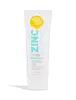 Key Ingredients
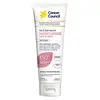
Benefits
Concerns
Ingredients Side-by-side
Water
Skin ConditioningZinc Oxide
Cosmetic Colorant


C12-15 Alkyl Benzoate
AntimicrobialCaprylic/Capric Triglyceride
Masking
Cetyl Dimethicone
Emollient
PEG-30 Dipolyhydroxystearate
Emulsifying
Dimethicone
Emollient
Glycerin
Humectant


Cetearyl Alcohol
Emollient


Phenoxyethanol
Preservative
Magnesium Sulfate
Lecithin
Emollient
Polyglyceryl-3 Diisostearate
Emulsifying
Hydroxyacetophenone
Antioxidant

Polyhydroxystearic Acid
Emulsifying
Tocopheryl Acetate
Antioxidant
Tetrasodium EDTA

Xanthan Gum
EmulsifyingAloe Barbadensis Leaf Juice
Skin Conditioning
Water, Zinc Oxide, C12-15 Alkyl Benzoate, Caprylic/Capric Triglyceride, Cetyl Dimethicone, PEG-30 Dipolyhydroxystearate, Dimethicone, Glycerin, Cetearyl Alcohol, Phenoxyethanol, Magnesium Sulfate, Lecithin, Polyglyceryl-3 Diisostearate, Hydroxyacetophenone, Polyhydroxystearic Acid, Tocopheryl Acetate, Tetrasodium EDTA, Xanthan Gum, Aloe Barbadensis Leaf Juice
Octocrylene 3%
UV Absorber
Butyl Methoxydibenzoylmethane 3%
UV Absorber

4-Methylbenzylidene Camphor 2%
UV Absorber
Ethylhexyl Triazone 2%
UV Absorber
Aloe Barbadensis Leaf Juice
Skin Conditioning
Magnesium Aluminum Silicate
AbsorbentCetearyl Alcohol
Emollient
Dimethicone
Emollient
Tocopheryl Acetate
Antioxidant
Tetrasodium EDTA
Hydroxyacetophenone
Antioxidant
Isopropyl Palmitate
Emollient
Neopentyl Glycol Diheptanoate
EmollientPhenoxyethanol
Preservative
Polyglyceryl-3 Diisostearate
Emulsifying
Water
Skin ConditioningSilicon
Abrasive
Stearic Acid
Cleansing
Triethanolamine
BufferingXanthan Gum
EmulsifyingOctocrylene 3%, Butyl Methoxydibenzoylmethane 3%, 4-Methylbenzylidene Camphor 2%, Ethylhexyl Triazone 2%, Aloe Barbadensis Leaf Juice, Magnesium Aluminum Silicate, Cetearyl Alcohol, Dimethicone, Tocopheryl Acetate, Tetrasodium EDTA, Hydroxyacetophenone, Isopropyl Palmitate, Neopentyl Glycol Diheptanoate, Phenoxyethanol, Polyglyceryl-3 Diisostearate, Water, Silicon, Stearic Acid, Triethanolamine, Xanthan Gum
Reviews
Ingredients Explained
These ingredients are found in both products.
Ingredients higher up in an ingredient list are typically present in a larger amount.
Aloe Barbadensis Leaf Juice comes from leaves of the aloe plant. Aloe Barbadensis Leaf Juice is best known for helping to soothe sunburns. It is also anti-inflammatory, moisturizing, antiseptic, and can help heal wounds.
Aloe is packed with good stuff including Vitamins A, C, and E. These vitamins are antioxidants, which help fight free-radicals and the damage they may cause. Free-radicals are molecules that may damage your skin cells, such as pollution.
Aloe Barbadensis Leaf Juice also contains sugars. These sugars come in the form of monosaccharides and polysaccharides, folic acid, and choline. These sugars are able to help bind moisture to skin.
It also contains minerals such as calcium, 12 anthraquinones, fatty acids, amino acids, and Vitamin B12.
Learn more about Aloe Barbadensis Leaf JuiceCetearyl alcohol is a mixture of two fatty alcohols: cetyl alcohol and stearyl alcohol. It is mainly used as an emulsifier. Emulsifiers help prevent the separation of oils and products. Due to its composition, it can also be used to thicken a product or help create foam.
Cetearyl alcohol is an emollient. Emollients help soothe and hydrate the skin by trapping moisture.
Studies show Cetearyl alcohol is non-toxic and non-irritating. The FDA allows products labeled "alcohol-free" to have fatty alcohols.
This ingredient is usually derived from plant oils such as palm, vegetable, or coconut oils. There is debate on whether this ingredient will cause acne.
Due to the fatty acid base, this ingredient may not be Malassezia folliculitis safe.
Learn more about Cetearyl AlcoholDimethicone is a type of synthetic silicone created from natural materials such as quartz.
What it does:
Dimethicone comes in different viscosities:
Depending on the viscosity, dimethicone has different properties.
Ingredients lists don't always show which type is used, so we recommend reaching out to the brand if you have questions about the viscosity.
This ingredient is unlikely to cause irritation because it does not get absorbed into skin. However, people with silicone allergies should be careful about using this ingredient.
Note: Dimethicone may contribute to pilling. This is because it is not oil or water soluble, so pilling may occur when layered with products. When mixed with heavy oils in a formula, the outcome is also quite greasy.
Learn more about DimethiconeHydroxyacetophenone is antioxidant with skin conditioning and soothing properties. It also boosts the efficiency of preservatives.
This ingredient is not irritating or sensitizing.
Phenoxyethanol is a preservative that has germicide, antimicrobial, and aromatic properties. Studies show that phenoxyethanol can prevent microbial growth. By itself, it has a scent that is similar to that of a rose.
It's often used in formulations along with Caprylyl Glycol to preserve the shelf life of products.
Polyglyceryl-3 Diisostearate is an emulsifer and emollient. It comes from Isostearic Acid and Polyglycerin-3.
As an emulsifier, it helps stabilize products by preventing oils and water from separating.
This ingredient may not be Malassezia folliculitis, or fungal acne safe.
Learn more about Polyglyceryl-3 DiisostearateTetrasodium EDTA is the salt formed from neutralizing ethylenediamine tetraacetic acid with sodium hydroxide. It is a chelating agent and used to prevent metal ions from binding to other ingredients. This helps keep the product and ingredients stable.
Tetrasodium EDTA comes as a white solid and is soluble in water.
Tocopheryl Acetate is AKA Vitamin E. It is an antioxidant and protects your skin from free radicals. Free radicals damage the skin by breaking down collagen.
One study found using Tocopheryl Acetate with Vitamin C decreased the number of sunburned cells.
Tocopheryl Acetate is commonly found in both skincare and dietary supplements.
Learn more about Tocopheryl AcetateWater. It's the most common cosmetic ingredient of all. You'll usually see it at the top of ingredient lists, meaning that it makes up the largest part of the product.
So why is it so popular? Water most often acts as a solvent - this means that it helps dissolve other ingredients into the formulation.
You'll also recognize water as that liquid we all need to stay alive. If you see this, drink a glass of water. Stay hydrated!
Learn more about WaterXanthan gum is used as a stabilizer and thickener within cosmetic products. It helps give products a sticky, thick feeling - preventing them from being too runny.
On the technical side of things, xanthan gum is a polysaccharide - a combination consisting of multiple sugar molecules bonded together.
Xanthan gum is a pretty common and great ingredient. It is a natural, non-toxic, non-irritating ingredient that is also commonly used in food products.
Learn more about Xanthan Gum
