
What's inside
What's inside
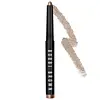 Key Ingredients

Benefits
Concerns
Ingredients Side-by-side
Methyl Trimethicone
Skin Conditioning
Trimethylsiloxysilicate
Emollient
Synthetic Wax
Abrasive

Lauroyl Lysine
Skin Conditioning
Polymethylsilsesquioxane
Stearoxymethicone/Dimethicone Copolymer
Emollient
Octyldodecanol
Emollient
Silica
Abrasive
Synthetic Fluorphlogopite
Caprylic/Capric Triglyceride
Masking


Polyglyceryl-3 Polyricinoleate
Emulsifying

Copernicia Cerifera Wax
Polyhydroxystearic Acid
Emulsifying
Polyethylene
Abrasive
Microcrystalline Wax
Emulsion StabilisingIsostearic Acid
Cleansing
Dicalcium Phosphate
Abrasive
Lecithin
Emollient
Disteardimonium Hectorite
StabilisingPropylene Carbonate
SolventCalcium Aluminum Borosilicate
Calcium Sodium Borosilicate
Tin Oxide
Abrasive
Pentaerythrityl Tetra-Di-T-Butyl Hydroxyhydrocinnamate
Antioxidant
Mica
Cosmetic ColorantCI 77891
Cosmetic ColorantCI 77491
Cosmetic ColorantCI 77492
Cosmetic ColorantCI 77499
Cosmetic ColorantCI 77007
Cosmetic ColorantCI 42090
Cosmetic ColorantCI 77288
Cosmetic ColorantCI 77289
Cosmetic ColorantCI 19140
Cosmetic ColorantCI 77510
Cosmetic ColorantCI 75470
Cosmetic ColorantCI 77400
Cosmetic ColorantCI 77163
Cosmetic Colorant
CI 77000
Cosmetic ColorantCI 77742
Cosmetic ColorantMethyl Trimethicone, Trimethylsiloxysilicate, Synthetic Wax, Lauroyl Lysine, Polymethylsilsesquioxane, Stearoxymethicone/Dimethicone Copolymer, Octyldodecanol, Silica, Synthetic Fluorphlogopite, Caprylic/Capric Triglyceride, Polyglyceryl-3 Polyricinoleate, Copernicia Cerifera Wax, Polyhydroxystearic Acid, Polyethylene, Microcrystalline Wax, Isostearic Acid, Dicalcium Phosphate, Lecithin, Disteardimonium Hectorite, Propylene Carbonate, Calcium Aluminum Borosilicate, Calcium Sodium Borosilicate, Tin Oxide, Pentaerythrityl Tetra-Di-T-Butyl Hydroxyhydrocinnamate, Mica, CI 77891, CI 77491, CI 77492, CI 77499, CI 77007, CI 42090, CI 77288, CI 77289, CI 19140, CI 77510, CI 75470, CI 77400, CI 77163, CI 77000, CI 77742
Isododecane
EmollientPolyethylene
Abrasive
Synthetic Wax
Abrasive
Calcium Sodium Borosilicate
Ethylene/Propylene Copolymer
Abrasive
Bis-Diglyceryl Polyacyladipate-2
Emollient
Hydrogenated Polydicyclopentadiene
Polybutene
Silica
Abrasive
Aloe Barbadensis Leaf Extract
Emollient

Carthamus Tinctorius Seed Oil
Masking
Persea Gratissima Oil
Skin Conditioning
Phytosterols
Skin Conditioning
Olea Europaea Fruit Oil
Masking
Tocopheryl Acetate
Antioxidant

Ascorbyl Palmitate
Antioxidant

Tin Oxide
Abrasive
Pentaerythrityl Tetra-Di-T-Butyl Hydroxyhydrocinnamate
Antioxidant
Octyldodecanol
Emollient
Synthetic Fluorphlogopite
Sorbitan Oleate
Emulsifying
Mica
Cosmetic ColorantCI 77891
Cosmetic ColorantIron Oxides
CI 77510
Cosmetic ColorantIsododecane, Polyethylene, Synthetic Wax, Calcium Sodium Borosilicate, Ethylene/Propylene Copolymer, Bis-Diglyceryl Polyacyladipate-2, Hydrogenated Polydicyclopentadiene, Polybutene, Silica, Aloe Barbadensis Leaf Extract, Carthamus Tinctorius Seed Oil, Persea Gratissima Oil, Phytosterols, Olea Europaea Fruit Oil, Tocopheryl Acetate, Ascorbyl Palmitate, Tin Oxide, Pentaerythrityl Tetra-Di-T-Butyl Hydroxyhydrocinnamate, Octyldodecanol, Synthetic Fluorphlogopite, Sorbitan Oleate, Mica, CI 77891, Iron Oxides, CI 77510
Ingredients Explained
These ingredients are found in both products.
Ingredients higher up in an ingredient list are typically present in a larger amount.
Calcium Sodium Borosilicate is a bulking agent. It is considered a borosilicate glass; it is composed of powder or flakes of calcium and sodium borosilicates.
This ingredient is used to add volume, shine, and color to products. You'll most likely find this ingredient in makeup products.
According to in-vivo and ex-vivo studies done by a manufacturer, this ingredient works well with UV filters:
Learn more about Calcium Sodium BorosilicateThis ingredient is used to impart a blue color. It is not water-soluble.
It goes by two different names:
1. Ferric Ferrocyanide: a synthetic dark blue pigment
2. Ferric Ammonium Ferrocyanide: a synthetic blue pigment, also called Prussian blue
In the EU, both of these colors must be labeled as 'CI 77510'.
Learn more about CI 77510Ci 77891 is a white pigment from Titanium dioxide. It is naturally found in minerals such as rutile and ilmenite.
It's main function is to add a white color to cosmetics. It can also be mixed with other colors to create different shades.
Ci 77891 is commonly found in sunscreens due to its ability to block UV rays.
Learn more about CI 77891Mica is a naturally occurring mineral used to add shimmer and color in cosmetics. It can also help improve the texture of a product or give it an opaque, white/silver color.
Serecite is the name for very fine but ragged grains of mica.
This ingredient is often coated with metal oxides like titanium dioxide. Trace amounts of heavy metals may be found in mica, but these metals are not harmful in our personal products.
Mica has been used since prehistoric times throughout the world. Ancient Egyptian, Indian, Greek, Roman, Aztec, and Chinese civilizations have used mica.
Learn more about MicaOctyldodecanol is a fatty alcohol sourced from plant oils like coconut or palm (or made synthetically).
It is:
You'll likely see this in many BHA products because this is the go-to solvent for salicylic acid.
This ingredient is typically used at levels between 2-20%.
Regarding fungal acne:
In 2019, this ingredient was tested against multiple Malassezia species (the yeast that causes fungal acne) and showed no growth.
Pentaerythrityl Tetra-Di-T-Butyl Hydroxyhydrocinnamate (long name, huh?) is a synthetic antioxidant.
It is used to help stabilize other antioxidants or prevent the color from changing in a product.
As an antioxidant, it helps fight free-radical molecules. Free-radical molecules are capable of damaging our cells and other genetic material. Thus, antioxidants may reduce the signs of aging.
This ingredient is oil-soluble.
Learn more about Pentaerythrityl Tetra-Di-T-Butyl HydroxyhydrocinnamatePolyethylene is a synthetic ingredient that helps the skin retain moisture. It is a polymer.
It is also typically used within product formulations to help bind solid ingredients together and thicken oil-based ingredients. When added to balms and emulsions, it helps increase the melting point temperature.
Silica, also known as silicon dioxide, is a naturally occurring mineral. It is used as a fine, spherical, and porous powder in cosmetics.
Though it has exfoliant properties, the function of silica varies depending on the product.
The unique structure of silica enhances the spreadability and adds smoothness, making it a great texture enhancer.
It is also used as an active carrier, emulsifier, and mattifier due to its ability to absorb excess oil.
In some products, tiny microneedles called spicules are made from silica or hydrolyzed sponge. When you rub them in, they lightly polish away dead skin layers and enhance the penetration of active ingredients.
Learn more about SilicaSynthetic Fluorphlogopite is the synthethic version of mica. It consists of fluorine, aluminum and silicate.
Synthetic Fluorphlogopite is used to add volume to products.
It is considered non-irritating on the skin.
Learn more about Synthetic FluorphlogopiteSynthetic Wax is a manufactured hydrocarbon wax. In formulas, it works as an occlusive emollient that helps reduce water loss and improves the spreadability of products.
Research comparing synthetic wax to traditional mineral-derived products found that formulas containing it perform as well for skin hydration.
It is considered non-comedogenic and vegan-friendly.
This ingredient has a well-established safety record by the CIR Expert Panel for Cosmetic Ingredient Safety.
Synthetic Waxes are straight/branched-chain hydrocarbons with no ester bond or fatty acids. That means there is nothing for the Malassezia yeast to feed on.
Learn more about Synthetic WaxTin Oxide is an inorganic oxide used to add opacity and volume to a product. In nature, it is already found in mineral form. The main ore of tin is an opaque and shiny mineral called casseterite.
Tin Oxide helps remove translucency in a product, or make it more opaque. Besides adding opacity, tin oxide is used for bulking to add volume.


