Bobbi Brown Long-Wear Cream Shadow Stick Versus Rare Beauty All of the Above Weightless Eyeshadow Stick

What's inside
What's inside
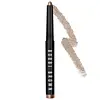 Key Ingredients
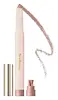
Benefits
Concerns
Ingredients Side-by-side
Methyl Trimethicone
Skin Conditioning
Trimethylsiloxysilicate
Emollient
Synthetic Wax
Abrasive

Lauroyl Lysine
Skin Conditioning
Polymethylsilsesquioxane
Stearoxymethicone/Dimethicone Copolymer
Emollient
Octyldodecanol
Emollient
Silica
Abrasive
Synthetic Fluorphlogopite
Caprylic/Capric Triglyceride
Masking


Polyglyceryl-3 Polyricinoleate
Emulsifying

Copernicia Cerifera Wax
Polyhydroxystearic Acid
Emulsifying
Polyethylene
Abrasive
Microcrystalline Wax
Emulsion StabilisingIsostearic Acid
Cleansing
Dicalcium Phosphate
Abrasive
Lecithin
Emollient
Disteardimonium Hectorite
StabilisingPropylene Carbonate
SolventCalcium Aluminum Borosilicate
Calcium Sodium Borosilicate
Tin Oxide
Abrasive
Pentaerythrityl Tetra-Di-T-Butyl Hydroxyhydrocinnamate
Antioxidant
Mica
Cosmetic ColorantCI 77891
Cosmetic ColorantCI 77491
Cosmetic ColorantCI 77492
Cosmetic ColorantCI 77499
Cosmetic ColorantCI 77007
Cosmetic ColorantCI 42090
Cosmetic ColorantCI 77288
Cosmetic ColorantCI 77289
Cosmetic ColorantCI 19140
Cosmetic ColorantCI 77510
Cosmetic ColorantCI 75470
Cosmetic ColorantCI 77400
Cosmetic ColorantCI 77163
Cosmetic Colorant
CI 77000
Cosmetic ColorantCI 77742
Cosmetic ColorantMethyl Trimethicone, Trimethylsiloxysilicate, Synthetic Wax, Lauroyl Lysine, Polymethylsilsesquioxane, Stearoxymethicone/Dimethicone Copolymer, Octyldodecanol, Silica, Synthetic Fluorphlogopite, Caprylic/Capric Triglyceride, Polyglyceryl-3 Polyricinoleate, Copernicia Cerifera Wax, Polyhydroxystearic Acid, Polyethylene, Microcrystalline Wax, Isostearic Acid, Dicalcium Phosphate, Lecithin, Disteardimonium Hectorite, Propylene Carbonate, Calcium Aluminum Borosilicate, Calcium Sodium Borosilicate, Tin Oxide, Pentaerythrityl Tetra-Di-T-Butyl Hydroxyhydrocinnamate, Mica, CI 77891, CI 77491, CI 77492, CI 77499, CI 77007, CI 42090, CI 77288, CI 77289, CI 19140, CI 77510, CI 75470, CI 77400, CI 77163, CI 77000, CI 77742



Reviews
Ingredients Explained
These ingredients are found in both products.
Ingredients higher up in an ingredient list are typically present in a larger amount.
Ci 77491 is also hydrated iron III oxide. It's sole purpose is to give a red/pink hue to products.
Iron III oxides are classified as inorganic chemicals for coloring.
Synthetically created Ci 77491 is considered safer than those naturally found. This is because the synthetically created version may contain less impurities. Iron oxides are generally non-toxic and non-allergenic.
Learn more about CI 77491Ci 77891 is a white pigment from Titanium dioxide. It is naturally found in minerals such as rutile and ilmenite.
It's main function is to add a white color to cosmetics. It can also be mixed with other colors to create different shades.
Ci 77891 is commonly found in sunscreens due to its ability to block UV rays.
Learn more about CI 77891Disteardimonium Hectorite comes from the clay mineral named hectorite. It is used to add thickness to a product.
It can also help stabilize a product by helping to disperse other ingredients.
Hectorite is a rare, white clay mineral.
Learn more about Disteardimonium HectoritePolyhydroxystearic Acid is a vegetable-derived soft wax made from castor oil. It's an emulsion stabilizer, thickener, and film former.
You'll likely see it in sunscreens because it helps disperse pigments and UV-reflecting minerals like titanium dioxide and zinc oxide evenly.
Depending on the concentration, it can drastically change the texture of a product from pasty solid (like lipstick) to sprayable liquid.
The CIR Expert Panel for Cosmetic Ingredient Safety has concluded this ingredient to be safe in cosmetics. The highest reported use concentration is 14.2% in lipsticks.
Learn more about Polyhydroxystearic AcidThis ingredient is a solvent. It helps dissolve active ingredients and alter the texture of products.
Propylene Carbonate is commonly used in makeup and with clay, such as montmorillonite or bentonite.
Studies show this ingredient to be safe for cosmetics. When it is undiluted, it can cause skin irritation. (It is always diluted in skincare and makeup). This ingredient is water-soluble.
Propylene Carbonate is created from propylene glycol and carbonic acid.
Learn more about Propylene CarbonateSilica, also known as silicon dioxide, is a naturally occurring mineral. It is used as a fine, spherical, and porous powder in cosmetics.
Though it has exfoliant properties, the function of silica varies depending on the product.
The unique structure of silica enhances the spreadability and adds smoothness, making it a great texture enhancer.
It is also used as an active carrier, emulsifier, and mattifier due to its ability to absorb excess oil.
In some products, tiny microneedles called spicules are made from silica or hydrolyzed sponge. When you rub them in, they lightly polish away dead skin layers and enhance the penetration of active ingredients.
Learn more about SilicaSynthetic Wax is a manufactured hydrocarbon wax. In formulas, it works as an occlusive emollient that helps reduce water loss and improves the spreadability of products.
Research comparing synthetic wax to traditional mineral-derived products found that formulas containing it perform as well for skin hydration.
It is considered non-comedogenic and vegan-friendly.
This ingredient has a well-established safety record by the CIR Expert Panel for Cosmetic Ingredient Safety.
Synthetic Waxes are straight/branched-chain hydrocarbons with no ester bond or fatty acids. That means there is nothing for the Malassezia yeast to feed on.
Learn more about Synthetic Wax

