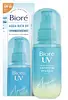
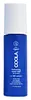
Biore Aqua Rich UV Invisible Face Mist SPF 50 Versus COOLA Full Spectrum 360° Refreshing Water Mist Sunscreen SPF 18
This chemical sunscreen covers the full UV range and blocks ~98% of UVB at SPF 50.
This chemical sunscreen covers most of the UV range, lighter on the deep UVA that drives aging.


What's inside
What's inside
 Key Ingredients
Benefits
Concerns
Ingredients Side-by-side
Alcohol
Antimicrobial




Dicaprylyl Carbonate
EmollientDiethylamino Hydroxybenzoyl Hexyl Benzoate
UV Filter
Ethylhexyl Salicylate
UV Absorber
Ethylhexyl Triazone
UV Absorber
C12-15 Alkyl Benzoate
AntimicrobialDimethicone
Emollient

Drometrizole Trisiloxane
UV Absorber
Polysilicone-9
Bis-Ethylhexyloxyphenol Methoxyphenyl Triazine
UV Absorber
Dibutyl Ethylhexanoyl Glutamide
Skin ConditioningDibutyl Lauroyl Glutamide
Skin ConditioningParfum
Masking

Tocopherol
Antioxidant







Butylene Glycol
Humectant
Water
Skin ConditioningEucalyptus Globulus Leaf Extract
Perfuming
Camphor
Masking
Citrus Aurantium Peel Oil

Eucalyptus Globulus Oil
Limonene
Perfuming
Linalool
Perfuming
Linalyl Acetate
Masking
Pinene
Masking
Alcohol, Dicaprylyl Carbonate, Diethylamino Hydroxybenzoyl Hexyl Benzoate, Ethylhexyl Salicylate, Ethylhexyl Triazone, C12-15 Alkyl Benzoate, Dimethicone, Drometrizole Trisiloxane, Polysilicone-9, Bis-Ethylhexyloxyphenol Methoxyphenyl Triazine, Dibutyl Ethylhexanoyl Glutamide, Dibutyl Lauroyl Glutamide, Parfum, Tocopherol, Butylene Glycol, Water, Eucalyptus Globulus Leaf Extract, Camphor, Citrus Aurantium Peel Oil, Eucalyptus Globulus Oil, Limonene, Linalool, Linalyl Acetate, Pinene
Butyl Methoxydibenzoylmethane 2%
UV Absorber
Homosalate 10%
Skin Conditioning
Ethylhexyl Salicylate 5%
UV Absorber
Octocrylene 5.5%
UV Absorber
Aloe Barbadensis Leaf Extract
Emollient
Anisaldehyde
Masking
Benzyl Acetate
Masking
Butylene Glycol
Humectant
Caprylic/Capric Triglyceride
Masking
Caprylyl Glycol
Emollient
Cocos Nucifera Water
Masking
Delta-Decalactone
Masking
Didecyldimonium Chloride
EmulsifyingEthyl Butyrate
Perfuming
Gamma-Nonalactone
Masking
Gamma-Octalactone
Perfuming
Heliotropine
Masking
Jasminum Sambac Leaf Cell Extract
Masking
Juniperus Mexicana Oil
Masking
Methyl Benzoate
Perfuming
Methylpropanediol
SolventNerolidol
Perfuming
Polyquaternium-80
CleansingPropanediol
Solvent
Schinus Molle Extract
Skin ProtectingSodium Hyaluronate
Humectant
Sodium Phytate
ChelatingTheobroma Cacao Seed Extract
Antioxidant
Tridecane
Perfuming
Triethyl Citrate
Masking
Undecane
EmollientVanillin
Masking
Water
Skin ConditioningButyl Methoxydibenzoylmethane 2%, Homosalate 10%, Ethylhexyl Salicylate 5%, Octocrylene 5.5%, Aloe Barbadensis Leaf Extract, Anisaldehyde, Benzyl Acetate, Butylene Glycol, Caprylic/Capric Triglyceride, Caprylyl Glycol, Cocos Nucifera Water, Delta-Decalactone, Didecyldimonium Chloride, Ethyl Butyrate, Gamma-Nonalactone, Gamma-Octalactone, Heliotropine, Jasminum Sambac Leaf Cell Extract, Juniperus Mexicana Oil, Methyl Benzoate, Methylpropanediol, Nerolidol, Polyquaternium-80, Propanediol, Schinus Molle Extract, Sodium Hyaluronate, Sodium Phytate, Theobroma Cacao Seed Extract, Tridecane, Triethyl Citrate, Undecane, Vanillin, Water
Reviews
Ingredients Explained
These ingredients are found in both products.
Ingredients higher up in an ingredient list are typically present in a larger amount.
Butylene Glycol (or BG) is used within cosmetic products for a few different reasons:
Overall, Butylene Glycol is a safe and well-rounded ingredient that works well with other ingredients.
Though this ingredient works well with most skin types, some people with sensitive skin may experience a reaction such as allergic rashes, closed comedones, or itchiness.
Learn more about Butylene GlycolEthylhexyl Salicylate (also called Octisalate or Octyl Salicylate) is an oil-soluble organic UV filter that's been used in sunscreen since the 1950's.
It absorbs UVB light in the 280-320 nm range with a peak absorbance around 306 nm.
You'll often see it paired with other UV filters to boost overall SPF because octisalate is a fairly week filter on its own.
The reason you'll see it so often is because it can help solubilize and stabilize the trickier filters like oxybenzone and avobenzone.
Unlike these filters, octisalate has pretty good photostability and doesn't create skin-damaging free radicals when exposed to sunlight.
The fatty-alcohol part of the molecule also gives it a light, emollient feel so it doubles as a nice texture enhancer.
Usage levels vary around the world:
Safety-wise, this ingredient has a pretty reassuring track record. The EU's Scientific Committee on Consumer Products (SCCP) found very low skin penetration in human skin tests and negative results for irritation, phototoxicity, and photoallergy.
The real-world allergy risk is pretty low too; a 2012 European study of 1,031 people recorded only 2 reactions to it (a rate of 0.19%).
You might have seen scary headlines about sunscreen getting into your blood.
In 2019, the FDA found that several chemical filters can absorb through the skin and show up in the bloodstream at small but measurable levels.
Here's the important part: these tiny levels are just a cutoff the FDA uses to decide which ingredients need more testing and doesn't mean anything harmful was found.
The researchers were clear that the results are no reason to stop wearing sunscreen.
Learn more about Ethylhexyl SalicylateWater. It's the most common cosmetic ingredient of all. You'll usually see it at the top of ingredient lists, meaning that it makes up the largest part of the product.
So why is it so popular? Water most often acts as a solvent - this means that it helps dissolve other ingredients into the formulation.
You'll also recognize water as that liquid we all need to stay alive. If you see this, drink a glass of water. Remember to stay hydrated!
Learn more about Water

