

What's inside
What's inside
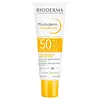 Key Ingredients
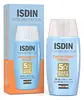
Benefits
Concerns
No concerns
Ingredients Side-by-side
Water
Skin ConditioningDibutyl Adipate
EmollientDiethylhexyl Butamido Triazone
UV Absorber
Diethylamino Hydroxybenzoyl Hexyl Benzoate
UV Filter
Dicaprylyl Carbonate
EmollientDiisopropyl Sebacate
EmollientBis-Ethylhexyloxyphenol Methoxyphenyl Triazine
Skin Conditioning
Corn Starch Modified
AbsorbentGlycerin
Humectant


Polyglyceryl-6 Stearate
Emollient
1,2-Hexanediol
Skin Conditioning
Microcrystalline Cellulose
AbsorbentC20-22 Alkyl Phosphate
EmulsifyingC20-22 Alcohols
Emulsion Stabilising
Caprylyl Glycol
Emollient
Polyglyceryl-6 Behenate
Emulsion Stabilising
Cellulose Gum
Emulsion StabilisingEctoin
Skin Conditioning



Mannitol
Humectant
Xylitol
Humectant
O-Cymen-5-Ol
Antimicrobial
Xanthan Gum
EmulsifyingRhamnose
HumectantSodium Hydroxide
BufferingButyl Methoxydibenzoylmethane
UV Absorber
Tocopherol
Antioxidant



Propylheptyl Caprylate
EmollientWater, Dibutyl Adipate, Diethylhexyl Butamido Triazone, Diethylamino Hydroxybenzoyl Hexyl Benzoate, Dicaprylyl Carbonate, Diisopropyl Sebacate, Bis-Ethylhexyloxyphenol Methoxyphenyl Triazine, Corn Starch Modified, Glycerin, Polyglyceryl-6 Stearate, 1,2-Hexanediol, Microcrystalline Cellulose, C20-22 Alkyl Phosphate, C20-22 Alcohols, Caprylyl Glycol, Polyglyceryl-6 Behenate, Cellulose Gum, Ectoin, Mannitol, Xylitol, O-Cymen-5-Ol, Xanthan Gum, Rhamnose, Sodium Hydroxide, Butyl Methoxydibenzoylmethane, Tocopherol, Propylheptyl Caprylate
Water
Skin ConditioningDibutyl Adipate
EmollientPropanediol
Solvent
Ethylhexyl Salicylate
UV Absorber
Ethylhexyl Triazone
UV Absorber
Bis-Ethylhexyloxyphenol Methoxyphenyl Triazine
Skin Conditioning
Dimethicone
Emollient
Butyl Methoxydibenzoylmethane
UV Absorber
Phenylbenzimidazole Sulfonic Acid
UV Absorber
Silica
Abrasive


Diisopropyl Sebacate
EmollientArginine
Masking
Pentylene Glycol
Skin Conditioning
Hydroxyacetophenone
Antioxidant
Lauryl PEG/PPG-18/18 Methicone
Skin Conditioning
Vp/Eicosene Copolymer
Polysorbate 60
Emulsifying
Dimethicone/Vinyl Dimethicone Crosspolymer
Skin Conditioning
Glycerin
Humectant
Caprylyl Glycol
Emollient
Hydrated Silica
Abrasive
Tocopheryl Acetate
Antioxidant
PEG-10 Dimethicone
Skin Conditioning
Tetrasodium Glutamate Diacetate
Parfum
Masking



Sclerotium Gum
Emulsion StabilisingSodium Hyaluronate
Humectant
Porphyridium Cruentum Extract
Skin ConditioningXanthan Gum
EmulsifyingCitric Acid
Buffering
Water, Dibutyl Adipate, Propanediol, Ethylhexyl Salicylate, Ethylhexyl Triazone, Bis-Ethylhexyloxyphenol Methoxyphenyl Triazine, Dimethicone, Butyl Methoxydibenzoylmethane, Phenylbenzimidazole Sulfonic Acid, Silica, Diisopropyl Sebacate, Arginine, Pentylene Glycol, Hydroxyacetophenone, Lauryl PEG/PPG-18/18 Methicone, Vp/Eicosene Copolymer, Polysorbate 60, Dimethicone/Vinyl Dimethicone Crosspolymer, Glycerin, Caprylyl Glycol, Hydrated Silica, Tocopheryl Acetate, PEG-10 Dimethicone, Tetrasodium Glutamate Diacetate, Parfum, Sclerotium Gum, Sodium Hyaluronate, Porphyridium Cruentum Extract, Xanthan Gum, Citric Acid
Reviews
Ingredients Explained
These ingredients are found in both products.
Ingredients higher up in an ingredient list are typically present in a larger amount.
You might know this ingredient as Tinosorb S or Bemotrizinol. It is a UV filter that covers both UVA and UVB rays.
This ingredient has two peak UV absorption peaks ( 310 and 340 nm) and is able to absorb both UV-A and UV-B rays. This ingredient works by preventing UV rays from reaching and damaging your skin.
On top of that - it is highly photostable and helps prevent the photodegration of other sunscreen ingredients such as avobenzone.
Tinosorb S is allowed in the EU, Australia, and Asia. It is close to being approved by the FDA and we'll hopefully get this ingredient in the U.S. by late 2026.
Fun fact: Tinosorb S is the most effective UV absorber at maximum concentration (measured by SPF) permitted in the EU.
This ingredient is oil-soluble, so your oil-cleansers will take this right off at night.
Learn more about Bis-Ethylhexyloxyphenol Methoxyphenyl TriazineAlso known as Avobenzone, this ingredient is a chemical sunscreen filter that provides protection in the UV-A range.
Avobenzone is globally approved and is the most commonly used UV-A filter in the world.
Studies have found that avobenzone becomes ineffective when exposed to UV light (it is not photostable; meaning that it breaks down in sunlight). Because of this, formulations that include avobenzone will usually contain stabilizers such as octocrylene.
However, some modern formulations (looking at you, EU!) are able to stabilize avobenzone by coating the molecules.
Avobenzone does not protect against the UV-B range, so it's important to check that the sunscreen you're using contains other UV filters that do!
The highest concentration of avobenzone permitted is 3% in the US, and 5% in the EU.
Learn more about Butyl MethoxydibenzoylmethaneCaprylyl Glycol is a humectant, skin conditioner, emollient, and preservative booster derived from either caprylic acid or synthetically created.
Typical use levels vary from 0.3-1% as a preservative booster and go up to 2% to condition skin.
Because it is not a free-fatty acid or alcohol, this ingredient is fungal acne safe (there's nothing for Malassezia to feed on).
Learn more about Caprylyl GlycolDibutyl Adipate is an emollient and solvent. It is created from butyl alcohol and adipic acid.
As a solvent, Dibutyl Adipate helps mix and disperse ingredients evenly.
Dibutyl Adipate is soluble in water and organic solvents. It does not absorb UV rays.
Learn more about Dibutyl AdipateWe don't have a description for Diisopropyl Sebacate yet.
Glycerin (or glycerol) is a compound naturally found in your skin. It's a powerhouse humectant that pulls water into the stratum corneum.
Topically, glycerin does several things at once:
Your skin makes glycerin on its own (mostly from sebaceous oil breakdown) and shuttles it to your outermost layer of skin, or your epidermis, via aquaporin-3.
Aquaporin-3 is a transporter that is essential for normal skin hydration, elasticity, and repair. Interestingly, mice lacking in AQP3 have dry and less elastic skin that can be fully corrected with glycerin.
This ingredient is non-irritating, plays well with almost every ingredient, and works across all skin types. Typical use is anywhere between 3-10% but can go up to 79% in some leave-on products.
Just know very high concentrations (>40%) can feel tacky in low humidity.
Glycerin is the name for this ingredient in American English. British English uses Glycerol/Glycerine.
Learn more about GlycerinWater. It's the most common cosmetic ingredient of all. You'll usually see it at the top of ingredient lists, meaning that it makes up the largest part of the product.
So why is it so popular? Water most often acts as a solvent - this means that it helps dissolve other ingredients into the formulation.
You'll also recognize water as that liquid we all need to stay alive. If you see this, drink a glass of water. Remember to stay hydrated!
Learn more about WaterXanthan gum is used as a stabilizer and thickener within cosmetic products. It helps give products a sticky, thick feeling - preventing them from being too runny.
On the technical side of things, xanthan gum is a polysaccharide - a combination consisting of multiple sugar molecules bonded together.
Xanthan gum is a pretty common and great ingredient. It is a natural, non-toxic, non-irritating ingredient that is also commonly used in food products.
Learn more about Xanthan Gum
