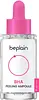
This smoothing ampoule is formulated around Saccharomyces Ferment Filtrate and Salicylic Acid to refine skin texture and clear breakouts.
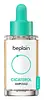
This calming ampoule is formulated around Centella Asiatica Extract and Panthenol to calm redness and strengthen the skin barrier.

What's inside
What's inside
 Key Ingredients
Benefits
Concerns
No concerns
Ingredients Side-by-side









Centella Asiatica Extract 69.4%
Cleansing





Butylene Glycol
Humectant
Water
Skin ConditioningGlycereth-26
Humectant
Methylpropanediol
SolventGlycerin
Humectant
Polyglycerin-3
Humectant
Saccharide Hydrolysate
Humectant1,2-Hexanediol
Skin Conditioning
Panthenol
Skin Conditioning
Xylitylglucoside
Humectant
Allantoin
Skin Conditioning
Tromethamine
BufferingAcrylates/C10-30 Alkyl Acrylate Crosspolymer
Emulsion StabilisingGlyceryl Acrylate/Acrylic Acid Copolymer
HumectantAnhydroxylitol
Humectant
Xylitol
Humectant
Sodium Polyacrylate
Absorbent
Glucose
Humectant
Dicaprylyl Carbonate
EmollientPentylene Glycol
Skin Conditioning
Beta-Glucan
Skin Conditioning
Sodium Hyaluronate
Humectant
Beta-Sitosterol
Emulsion Stabilising
Madecassoside
Antioxidant
Capryloyl Salicylic Acid
Exfoliating




Hydrogenated Lecithin
Emulsifying
Cynanchum Atratum Extract
Skin ConditioningHyaluronic Acid
Humectant
Asiaticoside
Antioxidant
Madecassic Acid
Skin Conditioning
Asiatic Acid
Skin Conditioning
Centella Asiatica Extract 69.4%, Butylene Glycol, Water, Glycereth-26, Methylpropanediol, Glycerin, Polyglycerin-3, Saccharide Hydrolysate, 1,2-Hexanediol, Panthenol, Xylitylglucoside, Allantoin, Tromethamine, Acrylates/C10-30 Alkyl Acrylate Crosspolymer, Glyceryl Acrylate/Acrylic Acid Copolymer, Anhydroxylitol, Xylitol, Sodium Polyacrylate, Glucose, Dicaprylyl Carbonate, Pentylene Glycol, Beta-Glucan, Sodium Hyaluronate, Beta-Sitosterol, Madecassoside, Capryloyl Salicylic Acid, Hydrogenated Lecithin, Cynanchum Atratum Extract, Hyaluronic Acid, Asiaticoside, Madecassic Acid, Asiatic Acid
Reviews
Ingredients Explained
These ingredients are found in both products.
Ingredients higher up in an ingredient list are typically present in a larger amount.
1,2-Hexanediol is a synthetic liquid and another multi-functional powerhouse.
It is a:
- Humectant, drawing moisture into the skin
- Emollient, helping to soften skin
- Solvent, dispersing and stabilizing formulas
- Preservative booster, enhancing the antimicrobial activity of other preservatives
Methylpropanediol is a synthetic solvent and humectant.
As a solvent, it helps dissolve other ingredients, helping to evenly distribute ingredients throughout the product. This ingredient has also been shown to have antimicrobial properties which makes it a preservative booster.
Methylpropanediol is able to add a bit of moisture to the skin. It also helps other ingredients be better absorbed into the skin, such as salicylic acid.
Learn more about MethylpropanediolSodium Hyaluronate is the salt form of hyaluronic acid. It is a long sugar chain that is naturally found in your skin, joints, and connective tissue that maintains hydration and elasticity.
In skincare, it works as a humectant. It pulls water from the environment and deeper layers of skin and binds it to the surface.
Interestingly, the size of the molecule affects its behavior:
Some clinical evidence links low molecular weight versions to improved wrinkle depth, elasticity, anti-inflammatory effects, and barrier repair.
Many serums use a blend of both weights so you can get surface hydration plus longer-lasting and deeper effects.
You'll typically see concentrations between 0.1-2% for this ingredient.
Learn more about Sodium HyaluronateTromethamine (aka THAM) is a synthetic amino acid that shows up in skincare as a helper ingredient.
It functions as a pH adjuster to help neutralize acidic ingredients and set a formula's pH to the right spot.
This matters a lot because a lot of actives (like vitamin C) needs a specific pH to work well and feel comfortable on skin.
Concentration use ranges from 0.1-1.0% depending on the formula.
Learn more about Tromethamine

