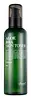
This acne toner is formulated around Salicylic Acid and Snail Secretion Filtrate to clear breakouts and calm redness.
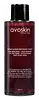
This smoothing exfoliator is formulated around Glycolic Acid and Gluconolactone to refine skin texture and refine the look of pores.


What's inside
What's inside
 Key Ingredients
Benefits
Concerns
Ingredients Side-by-side
Salicylic Acid 0.5%
Masking










Aloe Barbadensis Leaf Water
MaskingSodium Hyaluronate
Humectant




Snail Secretion Filtrate
Skin Conditioning


Glycerin
Humectant
Pentylene Glycol
Skin Conditioning
Zanthoxylum Piperitum Fruit Extract
Skin ConditioningPulsatilla Koreana Extract
Skin ConditioningUsnea Barbata Extract
Polysorbate 20
Emulsifying
Arginine
Masking
Althaea Rosea Root Extract
HumectantAloe Barbadensis Leaf Extract
Emollient
Aloe Barbadensis Leaf Juice
Skin Conditioning
Beta-Glucan
Skin Conditioning
Polyglutamic Acid
Skin Conditioning
Aspalathus Linearis Extract
Skin ConditioningPortulaca Oleracea Extract
Skin Conditioning
Psidium Guajava Fruit Extract
AstringentSalicylic Acid 0.5%, Aloe Barbadensis Leaf Water, Sodium Hyaluronate, Snail Secretion Filtrate, Glycerin, Pentylene Glycol, Zanthoxylum Piperitum Fruit Extract, Pulsatilla Koreana Extract, Usnea Barbata Extract, Polysorbate 20, Arginine, Althaea Rosea Root Extract, Aloe Barbadensis Leaf Extract, Aloe Barbadensis Leaf Juice, Beta-Glucan, Polyglutamic Acid, Aspalathus Linearis Extract, Portulaca Oleracea Extract, Psidium Guajava Fruit Extract
Water
Skin ConditioningGlycerin
Humectant
Glycolic Acid
Buffering


Butylene Glycol
Humectant
Propylene Glycol
Humectant
Gluconolactone
Skin Conditioning
Melaleuca Alternifolia Leaf Extract
Perfuming
Hamamelis Virginiana Leaf Extract
Skin Conditioning
Niacinamide
Smoothing
Chamomilla Recutita Flower Extract
Masking
Rubus Idaeus Fruit Extract
AstringentCitrus Limon Fruit Extract
Masking
Salicylic Acid
Masking
Acer Saccharum Extract
Skin ConditioningPortulaca Oleracea Extract
Skin Conditioning
Aloe Barbadensis Leaf Juice
Skin Conditioning
Amylopectin
Dextrin
AbsorbentXanthan Gum
EmulsifyingTetrasodium EDTA
Sodium Hydroxymethylglycinate
Preservative
Polyglutamic Acid
Skin Conditioning
Water, Glycerin, Glycolic Acid, Butylene Glycol, Propylene Glycol, Gluconolactone, Melaleuca Alternifolia Leaf Extract, Hamamelis Virginiana Leaf Extract, Niacinamide, Chamomilla Recutita Flower Extract, Rubus Idaeus Fruit Extract, Citrus Limon Fruit Extract, Salicylic Acid, Acer Saccharum Extract, Portulaca Oleracea Extract, Aloe Barbadensis Leaf Juice, Amylopectin, Dextrin, Xanthan Gum, Tetrasodium EDTA, Sodium Hydroxymethylglycinate, Polyglutamic Acid
Reviews
Alternatives
Ingredients Explained
These ingredients are found in both products.
Ingredients higher up in an ingredient list are typically present in a larger amount.
Aloe Barbadensis Leaf Juice is the filtered, stabilized liquid pressed from the inner gel of the aloe vera leaf.
In cosmetics, it shows up as either soothing active or a water-replacement base. It is roughly 98-99% water and the last 1-2% is an interesting mix of polysaccharides, amino acids, vitamins, minerals, and enzymes.
The polysaccharides do most of the work: they bind water at the skin surface for a light, non-greasy hydration boost. And one of the polysaccharides, glycomannan, is linked to fibroblast stimulation + collagen synthesis. This is also why aloe has such a long track record in wound and burn healing.
This ingredient is also calming with anti-inflammatory and mild antimicrobial activity, making it a great pick for sensitive, irritated, or post-sun skin.
Realistic expectations matter though; the solid evidence is mostly limited to hydration, soothing, and wound support. Deeper claims about anti-aging or sun protection are not well backed, and science reviews note it does not prevent radiation-induced skin injury.
Because it plays well with almost everything, it's commonly used as a base alongside other actives like niacinamide or vitamin C.
Typical usage concentrations range from 0.5% (where hydration benefits already show up) all the way to 90%+ (where it replaces water as the main base).
The safety for this ingredient is well-establish as well. Overall, this is a great supporting ingredient for those who want a boost in hydration.
Learn more about Aloe Barbadensis Leaf JuiceGlycerin (or glycerol) is a compound naturally found in your skin. It's a powerhouse humectant that pulls water into the stratum corneum.
Topically, glycerin does several things at once:
Your skin makes glycerin on its own (mostly from sebaceous oil breakdown) and shuttles it to your outermost layer of skin, or your epidermis, via aquaporin-3.
Aquaporin-3 is a transporter that is essential for normal skin hydration, elasticity, and repair. Interestingly, mice lacking in AQP3 have dry and less elastic skin that can be fully corrected with glycerin.
This ingredient is non-irritating, plays well with almost every ingredient, and works across all skin types. Typical use is anywhere between 3-10% but can go up to 79% in some leave-on products.
Just know very high concentrations (>40%) can feel tacky in low humidity.
Glycerin is the name for this ingredient in American English. British English uses Glycerol/Glycerine.
Learn more about GlycerinPolyglutamic Acid is made up many glutamic acids chained together. It is created from bacterial fermentation.
This ingredient is an effective skin hydrator and may help speed up wound healing. As a humectant, it draws and holds water to the skin. This ingredient is often compared to hyaluronic acid or glycerin. Similarly to hyaluronic acid, it can vary in molecular weights. This means polyglutamic acid is capable of bringing hydration to lower levels of the skin.
Fun fact: Polyglutamic Acid is found in the Japanese food, natto. It is also being used in cancer treatment studies.
Learn more about Polyglutamic AcidThis extract comes from Purslane, a succulent. It has anti-inflammatory, antioxidant, and hydrating properties.
Purslane is very nutritious. It contains omega-3 fatty acids, NMFs, many vitamins, minerals, and antioxidants. The vitamins found in purslane include: Vitamin C, Vitamin A, and Vitamin E.
Fun fact: Purslane is a succulent with an extensive habitat. It is used in traditional Korean medicine to treat irritated skin.
Nowadays, purslane is becoming a superfood due to its highly nutritious content.
Learn more about Portulaca Oleracea ExtractSalicylic Acid (also known as beta hydroxy acid or BHA) is a well-known ingredient for treating skin that struggles with acne and clogged pores. It exfoliates both the skin's surface and deep within the pores to help clear out buildup, control oil, and reduce inflammation.
Unlike AHAs (alpha hydroxy acids), salicylic acid is oil-soluble. This allows it to penetrate into pores which makes it especially effective for treating blackheads and preventing future breakouts.
Salicylic acid is also known for its soothing properties. It has a similar structure to aspirin and can calm inflamed or irritated skin, making it a good option for acne-prone skin that is also sensitive.
Concentrations of 0.5-2% are recognized by the U.S. FDA as an over-the-counter topical acne product.
It can cause irritation and/or dryness if one's skin already has a compromised moisture barrier, so it's best to focus on repairing that before introducing this ingredient into your routine.
While salicylic acid does not increase sun sensitivity, it’s still important to wear sunscreen daily to protect your skin.
If you are looking for the ingredient called BHA or Butylated Hydroxyanisole, click here.
Learn more about Salicylic Acid

