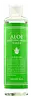
This hydrating toner is formulated around Aloe Barbadensis Leaf Juice and Snail Secretion Filtrate to hydrate skin and calm redness.
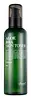
This acne toner is formulated around Salicylic Acid and Snail Secretion Filtrate to clear breakouts and calm redness.

What's inside
What's inside
 Key Ingredients
Benefits
Concerns
Ingredients Side-by-side
Aloe Barbadensis Leaf Water
MaskingGlycerin
Humectant


1,2-Hexanediol
Skin Conditioning
Aloe Barbadensis Leaf Juice
Skin Conditioning

Sodium Hyaluronate
Humectant

Beta-Glucan
Skin Conditioning
Snail Secretion Filtrate
Skin Conditioning
Portulaca Oleracea Extract
Skin Conditioning
Psidium Guajava Fruit Extract
AstringentAllantoin
Skin Conditioning
Zanthoxylum Piperitum Fruit Extract
Skin ConditioningPulsatilla Koreana Extract
Skin ConditioningUsnea Barbata Extract
Polysorbate 80
Emulsifying

Althaea Rosea Root Extract
HumectantAloe Barbadensis Leaf Extract
Emollient
Camellia Sinensis Leaf Extract
Antimicrobial



Hydroxyethylcellulose
Emulsion StabilisingNonoxynol-12
Disodium EDTA
Parfum
Masking



Aloe Barbadensis Leaf Water, Glycerin, 1,2-Hexanediol, Aloe Barbadensis Leaf Juice, Sodium Hyaluronate, Beta-Glucan, Snail Secretion Filtrate, Portulaca Oleracea Extract, Psidium Guajava Fruit Extract, Allantoin, Zanthoxylum Piperitum Fruit Extract, Pulsatilla Koreana Extract, Usnea Barbata Extract, Polysorbate 80, Althaea Rosea Root Extract, Aloe Barbadensis Leaf Extract, Camellia Sinensis Leaf Extract, Hydroxyethylcellulose, Nonoxynol-12, Disodium EDTA, Parfum
Salicylic Acid 0.5%
Masking




Aloe Barbadensis Leaf Water
MaskingSodium Hyaluronate
Humectant
Snail Secretion Filtrate
Skin Conditioning
Glycerin
Humectant
Pentylene Glycol
Skin Conditioning
Zanthoxylum Piperitum Fruit Extract
Skin ConditioningPulsatilla Koreana Extract
Skin ConditioningUsnea Barbata Extract
Polysorbate 20
Emulsifying
Arginine
Masking
Althaea Rosea Root Extract
HumectantAloe Barbadensis Leaf Extract
Emollient
Aloe Barbadensis Leaf Juice
Skin Conditioning
Beta-Glucan
Skin Conditioning
Polyglutamic Acid
Skin Conditioning
Aspalathus Linearis Extract
Skin ConditioningPortulaca Oleracea Extract
Skin Conditioning
Psidium Guajava Fruit Extract
AstringentSalicylic Acid 0.5%, Aloe Barbadensis Leaf Water, Sodium Hyaluronate, Snail Secretion Filtrate, Glycerin, Pentylene Glycol, Zanthoxylum Piperitum Fruit Extract, Pulsatilla Koreana Extract, Usnea Barbata Extract, Polysorbate 20, Arginine, Althaea Rosea Root Extract, Aloe Barbadensis Leaf Extract, Aloe Barbadensis Leaf Juice, Beta-Glucan, Polyglutamic Acid, Aspalathus Linearis Extract, Portulaca Oleracea Extract, Psidium Guajava Fruit Extract
Reviews
Alternatives
Ingredients Explained
These ingredients are found in both products.
Ingredients higher up in an ingredient list are typically present in a larger amount.
Aloe Barbadensis Leaf Extract is a botanical extract pulled from the leaves of aloe vera and one of the most studied plant ingredients in cosmetics.
The inner leaf gel it comes from is mostly water (~99-99.5%) and the remaining fraction is made up of pretty good stuff: polysaccharides, vitamins, phenolics, and enzymes.
Its headline job is hydration.
The star polysaccharide in aloe, acemannan, is a humectant that retains moisture and helps reduce trans-epidermal water loss.
Aloe also has real soothing credentials; it contains anti-inflammatory compounds like bradykinase and C-glucosyl chromone that help calm irritation and redness.
On the repair side, lab work shows that acemannan wakes up your skin's repair cells (fibroblasts), prompting them to multiply and speed up healing.
There's some human data for cosmetic benefit too: a cream containing 10% Aloe Barbadensis leaf extract improved skin hydration and elasticity in a real-use study.
Safety-wise, this ingredient is well-regarded with just one rare downside; there have been some case reports of acute eczema, contact urticaria, and dermatitis in people who applied aloe-derived ingredients topically. Those with a known aloe or Liliaceae sensitivity should patch test.
Typical use levels range widely, from under 1% up to 90%+ depending on the format and the effect you are after.
Learn more about Aloe Barbadensis Leaf ExtractAloe Barbadensis Leaf Juice is the filtered, stabilized liquid pressed from the inner gel of the aloe vera leaf.
In cosmetics, it shows up as either soothing active or a water-replacement base. It is roughly 98-99% water and the last 1-2% is an interesting mix of polysaccharides, amino acids, vitamins, minerals, and enzymes.
The polysaccharides do most of the work: they bind water at the skin surface for a light, non-greasy hydration boost. And one of the polysaccharides, glycomannan, is linked to fibroblast stimulation + collagen synthesis. This is also why aloe has such a long track record in wound and burn healing.
This ingredient is also calming with anti-inflammatory and mild antimicrobial activity, making it a great pick for sensitive, irritated, or post-sun skin.
Realistic expectations matter though; the solid evidence is mostly limited to hydration, soothing, and wound support. Deeper claims about anti-aging or sun protection are not well backed, and science reviews note it does not prevent radiation-induced skin injury.
Because it plays well with almost everything, it's commonly used as a base alongside other actives like niacinamide or vitamin C.
Typical usage concentrations range from 0.5% (where hydration benefits already show up) all the way to 90%+ (where it replaces water as the main base).
The safety for this ingredient is well-establish as well. Overall, this is a great supporting ingredient for those who want a boost in hydration.
Learn more about Aloe Barbadensis Leaf JuiceAloe Barbadensis Leaf Water is an aqueous solution of the steam distillate obtained from the leaves of the aloe, Aloe barbadensis, Liliaceae.
Aloe contains the antioxidants Vitamins A, C, and E. These vitamins neutralize free radicals.
It also contains sugars in the form of monosaccharides and polysaccharides, folic acid, choline, many common minerals such as calcium, 12 anthraquinones, fatty acids, amino acids, and Vitamin B12.
Aloe is known to be anti-inflammatory, moisturizing, antiseptic, and healing.
Aloe should not replace your sunscreen, as it does not offer UV protection.
Learn more about Aloe Barbadensis Leaf WaterWe don't have a description for Althaea Rosea Root Extract yet.
Beta-Glucan is a soluble polysaccharide (a chain of glucose sugars) sourced from the cells walls of oats, baker's yeast, mushrooms, and seaweed.
It's a rare ingredient that pulls double-duty as a heavy-duty hydrator and skin-soothing repair agent.
On the surface, it acts as a humectant that holds water in place and reduces moisture loss for a plumper, smoother feel, while its anti-inflammatory and antioxidant properties make it a great pick for calming redness or sensitive skin
The more interesting story is underneath:
Despite its large molecular size, oat beta-glucan has been shown to penetrate the epidermis and reach the dermis by slipping between skin cells. Here, it interacts with fibroblasts and macrophages to nudge collagen synthesis and support wound repair.
A small 2005 split-face clinical study of 27 subjects found topical beta-glucan produced measurable reductions in wrinkle depth, height, and roughness after 8 weeks of use.
It is worth noting the trial was small and the penetration testing used frozen, irradiated skin so the anti-aging data is encouraging rather than definitive.
This ingredient gets along with pretty much everything and is typically used around 0.1-1%.
Fungal acne: This ingredient is not a food source for the Malassezia yeast because it is a glucose polysaccharide with no fatty acid or ester component.
Learn more about Beta-GlucanGlycerin (or glycerol) is a compound naturally found in your skin. It's a powerhouse humectant that pulls water into the stratum corneum.
Topically, glycerin does several things at once:
Your skin makes glycerin on its own (mostly from sebaceous oil breakdown) and shuttles it to your outermost layer of skin, or your epidermis, via aquaporin-3.
Aquaporin-3 is a transporter that is essential for normal skin hydration, elasticity, and repair. Interestingly, mice lacking in AQP3 have dry and less elastic skin that can be fully corrected with glycerin.
This ingredient is non-irritating, plays well with almost every ingredient, and works across all skin types. Typical use is anywhere between 3-10% but can go up to 79% in some leave-on products.
Just know very high concentrations (>40%) can feel tacky in low humidity.
Glycerin is the name for this ingredient in American English. British English uses Glycerol/Glycerine.
Learn more about GlycerinThis extract comes from Purslane, a succulent. It has anti-inflammatory, antioxidant, and hydrating properties.
Purslane is very nutritious. It contains omega-3 fatty acids, NMFs, many vitamins, minerals, and antioxidants. The vitamins found in purslane include: Vitamin C, Vitamin A, and Vitamin E.
Fun fact: Purslane is a succulent with an extensive habitat. It is used in traditional Korean medicine to treat irritated skin.
Nowadays, purslane is becoming a superfood due to its highly nutritious content.
Learn more about Portulaca Oleracea ExtractWe don't have a description for Psidium Guajava Fruit Extract yet.
Pulsatilla Koreana Extract comes from the Korean pasque flower. This flower is used in traditional Korean medicine.
Snail Secretion Filtrate (the slimy mucus that garden snails produce) is a multitasking ingredient that shows up in "skin repair" formulas.
This ingredient works because it's a grab bag of skin-friendly stuff like:
In a formula, it acts as a humectant and barrier-supporting soother and the research backs this up as well.
A 2025 systematic review of human clinical trials found that snail-derived ingredients improved signs of aging, increased skin hydration, decreased transepidermal water loss, and improved healing after radiation therapy/fractional laser treatment.
Lab studies have also shown the secretion promotes the proliferation, migration, and survival of the cells that rebuild skin (keratinocytes and dermal fibroblasts).
There's also a placebo-controlled study where a serum containing it helped with mask-related acne.
Overall, this is a gentle, water-based multitasker that works great for hydrating and supporting the skin barrier. However, please see the section below if you have dust mite or shellfish allergies.
You'll see snail filtrate listed at very different percentages depending on the product. Some Korean serums list it near the top of the ingredients at 90% or more while other products use just a few percent.
This doesn't mean the high-percentage ones are far stronger. Raw snail filtrate is mostly water to begin with so using a lot of it isn't the same thing as using a lot of the active ingredients.
Other products use a concentrated version so a small amount goes a long way. Either approach can work well. Just know the percentage on the label isn't a reliable way to judge how effective a snail product will be.
Being cruelty-free means a brand does not experiment on animals. If you're worried about the well-being of the snails, we recommend looking more into the company of the product. Many brands claim to have developed humane methods to collect snail mucin.
There is much debate on this subject. On one hand, this ingredient comes from an animal. On the other hand, many will argue the ingredient is naturally secreted (like a natural by-product) and therefore vegan. If you have reservations, you can look into Galactomyces Ferment Filtrate or Centella Asiatica Extract as alternatives.
This ingredient is fungal acne safe. Its core composition lacks the fatty acid/ester triggers that Malassezia depends on.
True allergy to Snail Secretion Filtrate is uncommon and most documented cases are linked to a dust mite allergy.
Snail proteins (including Tropomyosin) are similar enough to dust mite proteins that the immune system can confuse them.
In most documented cases, the dust mite was the original trigger and tropomyosin turned out to be only a minor player in some studies (so this has not been fully confirmed).
Another thing to know is that nearly all the evidence comes from eating snails or inhaling the protein and not from cosmetics.
However, the allergenic proteins can survive filtration into a finished product; a topical reaction is biologically plausible but there's little published evidence of it actually happening.
People who are allergic to dust mites (or sometimes shellfish) are the most likely to react.
Learn more about Snail Secretion FiltrateSodium Hyaluronate is the salt form of hyaluronic acid. It is a long sugar chain that is naturally found in your skin, joints, and connective tissue that maintains hydration and elasticity.
In skincare, it works as a humectant. It pulls water from the environment and deeper layers of skin and binds it to the surface.
Interestingly, the size of the molecule affects its behavior:
Some clinical evidence links low molecular weight versions to improved wrinkle depth, elasticity, anti-inflammatory effects, and barrier repair.
Many serums use a blend of both weights so you can get surface hydration plus longer-lasting and deeper effects.
You'll typically see concentrations between 0.1-2% for this ingredient.
Learn more about Sodium HyaluronateWe don't have a description for Usnea Barbata Extract yet.
Zanthoxylum Piperitum Fruit Extract comes from the Japanese Pepper, also known as the Prickly Ash. This plant is native to the Korean peninsula and Japan.
The pepper has antioxidant properties. It may help reduce the signs of aging.
For those with fragrance sensitivities, Zanthoxylum Piperitum Fruit Extract contains limonene.
If you have concerns, we recommend speaking with a professional about using this ingredient.
The Japanese Pepper is related to the Sichuan Pepper.
Learn more about Zanthoxylum Piperitum Fruit Extract

