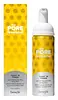
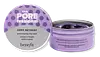
Benefit Cosmetics The Porefessional Tight 'n Toned Pore Refining AHA+PHA Toner Versus Benefit Cosmetics The POREfessional Deep Retreat Pore-Clearing Clay Mask
This pore-care exfoliator is formulated around Gluconolactone and Glycolic Acid to refine the look of pores and refine skin texture.

What's inside
What's inside
 Key Ingredients
Benefits
Concerns
Ingredients Side-by-side
Water
Skin ConditioningGluconolactone
Chelating







Glycolic Acid
Buffering




Glycerin
Humectant

Sodium Hydroxide
BufferingPEG-60 Hydrogenated Castor Oil
Emulsifying

Citric Acid
Buffering
1,2-Hexanediol
Skin Conditioning
Butylene Glycol
Humectant
Chlorphenesin
Antimicrobial
Decyl Glucoside
Cleansing
Bisabolol
Antioxidant


Menthoxypropanediol
Masking
Sodium Citrate
BufferingPentylene Glycol
Skin Conditioning
Citrus Limon Fruit Extract
Masking
Sphingolipids
Emollient
Sphingomonas Ferment Extract
Skin Conditioning
Citrus Junos Fruit Extract
Skin ConditioningWater, Gluconolactone, Glycolic Acid, Glycerin, Sodium Hydroxide, PEG-60 Hydrogenated Castor Oil, Citric Acid, 1,2-Hexanediol, Butylene Glycol, Chlorphenesin, Decyl Glucoside, Bisabolol, Menthoxypropanediol, Sodium Citrate, Pentylene Glycol, Citrus Limon Fruit Extract, Sphingolipids, Sphingomonas Ferment Extract, Citrus Junos Fruit Extract
Water
Skin ConditioningKaolin
Abrasive
Silica
Abrasive
Glycerin
Humectant
Butylene Glycol
Humectant
Pentylene Glycol
Skin Conditioning
CI 77007
Cosmetic ColorantPEG-40 Sorbitan Peroleate
Emulsifying
Sodium Acrylates Copolymer
Caprylic/Capric Triglyceride
Masking
CI 77499
Cosmetic ColorantHydroxyacetophenone
Antioxidant
Lecithin
Emollient
Mica
Cosmetic ColorantChlorphenesin
Antimicrobial
Bisabolol
Antioxidant
CI 77491
Cosmetic ColorantHydrogenated Vegetable Oil
Emollient

Opuntia Coccinellifera Flower Extract
Skin ConditioningCI 77891
Cosmetic ColorantTrisodium Ethylenediamine Disuccinate
ChelatingSimmondsia Chinensis Seed Oil
Emollient
Prunus Domestica Seed Oil
Skin Conditioning
Parfum
Masking

Disodium Phosphate
BufferingPotassium Hydroxide
BufferingXanthan Gum
EmulsifyingCrithmum Maritimum Extract
Skin Conditioning1,2-Hexanediol
Skin Conditioning
Caprylyl Glycol
Emollient
Tocopherol
Antioxidant
CI 77510
Cosmetic ColorantSodium Phosphate
BufferingSphingolipids
Emollient
Sphingomonas Ferment Extract
Skin Conditioning
Tocopheryl Acetate
Antioxidant
Citric Acid
Buffering
Pentaerythrityl Tetra-Di-T-Butyl Hydroxyhydrocinnamate
Antioxidant
Sodium Citrate
BufferingWater, Kaolin, Silica, Glycerin, Butylene Glycol, Pentylene Glycol, CI 77007, PEG-40 Sorbitan Peroleate, Sodium Acrylates Copolymer, Caprylic/Capric Triglyceride, CI 77499, Hydroxyacetophenone, Lecithin, Mica, Chlorphenesin, Bisabolol, CI 77491, Hydrogenated Vegetable Oil, Opuntia Coccinellifera Flower Extract, CI 77891, Trisodium Ethylenediamine Disuccinate, Simmondsia Chinensis Seed Oil, Prunus Domestica Seed Oil, Parfum, Disodium Phosphate, Potassium Hydroxide, Xanthan Gum, Crithmum Maritimum Extract, 1,2-Hexanediol, Caprylyl Glycol, Tocopherol, CI 77510, Sodium Phosphate, Sphingolipids, Sphingomonas Ferment Extract, Tocopheryl Acetate, Citric Acid, Pentaerythrityl Tetra-Di-T-Butyl Hydroxyhydrocinnamate, Sodium Citrate
Reviews
Ingredients Explained
These ingredients are found in both products.
Ingredients higher up in an ingredient list are typically present in a larger amount.
1,2-Hexanediol is a synthetic liquid and another multi-functional powerhouse.
It is a:
- Humectant, drawing moisture into the skin
- Emollient, helping to soften skin
- Solvent, dispersing and stabilizing formulas
- Preservative booster, enhancing the antimicrobial activity of other preservatives
Bisabolol is a gentle skin conditioner, antioxidant, and soothing ingredient.
It's primary claim to fame is soothing and research shows topically applied bisabolol can quiet the chemical messengers that cause your skin to become inflamed, helping to sooth any irritation.
A clinical study found that applying 0.5% bisabolol daily for 8 weeks produced an average 9% decrease in skin pigmentation. Researchers found it can also suppress the process that leads to excess melanin production in skin.
In vitro studies found that bisabolol combined with propylene glycol significantly increased skin permeability by increasing lipid fluidity in the stratum corneum.
You'll likely see use concentrations quite low, usually 0.1-0.2%.
Overall, this is a well-tolerated ingredient that works well in formulas designed for sensitive, reactive, or post-procedure skin.
Learn more about BisabololButylene Glycol (or BG) is used within cosmetic products for a few different reasons:
Overall, Butylene Glycol is a safe and well-rounded ingredient that works well with other ingredients.
Though this ingredient works well with most skin types, some people with sensitive skin may experience a reaction such as allergic rashes, closed comedones, or itchiness.
Learn more about Butylene GlycolChlorphenesin is a synthetic preservative. It helps protect a product against bacteria in order to extend shelf life. In most cases, Chlorphenesin is paired with other preservatives such as phenoxyethanol and caprylyl glycol.
Chlorphenesin is a biocide. This means it is able to help fight the microorganisms on our skin. It is also able to fight odor-releasing bacteria.
Chlorphenesin is soluble in both water and glycerin.
Studies show Chlorphenesin is easily absorbed by our skin. You should speak with a skincare professional if you have concerns about using Chlorphenesin.
Learn more about ChlorphenesinCitric Acid is an alpha hydroxy acid (AHA) naturally found in citrus fruits like oranges, lemons, and limes.
Like other AHAs, citric acid can exfoliate skin by breaking down the bonds that hold dead skin cells together. This helps reveal smoother and brighter skin underneath.
However, this exfoliating effect only happens at high concentrations (20%) which can be hard to find in cosmetic products.
Due to this, citric acid is usually included in small amounts as a pH adjuster. This helps keep products slightly more acidic and compatible with skin's natural pH.
In skincare formulas, citric acid can:
While it can provide some skin benefits, research shows lactic acid and glycolic acid are generally more effective and less irritating exfoliants.
Most citric acid used in skincare today is made by fermenting sugars (usually from molasses). This synthetic version is identical to the natural citrus form but easier to stabilize and use in formulations.
Rosacea skin has a lower threshold for acids generally, with 62.5% of rosacea subjects in one study reacting to lactic acid in a sting test. This is why we mark citric acid as a potential rosacea trigger.
However, this ingredient shows up as a pH adjuster or chelator at roughly 0.1-1% in many products. These low levels are unlikely to be an issue for rosacea skin and becomes a potential trigger at exfoliating concentrations (20%). Because everybody's skin is unique, we recommend a patch test if you are unsure.
Learn more about Citric AcidGlycerin (or glycerol) is a compound naturally found in your skin. It's a powerhouse humectant that pulls water into the stratum corneum.
Topically, glycerin does several things at once:
Your skin makes glycerin on its own (mostly from sebaceous oil breakdown) and shuttles it to your outermost layer of skin, or your epidermis, via aquaporin-3.
Aquaporin-3 is a transporter that is essential for normal skin hydration, elasticity, and repair. Interestingly, mice lacking in AQP3 have dry and less elastic skin that can be fully corrected with glycerin.
This ingredient is non-irritating, plays well with almost every ingredient, and works across all skin types. Typical use is anywhere between 3-10% but can go up to 79% in some leave-on products.
Just know very high concentrations (>40%) can feel tacky in low humidity.
Glycerin is the name for this ingredient in American English. British English uses Glycerol/Glycerine.
Learn more about GlycerinPentylene Glycol (1,2-pentanediol) is a multitasking little diol with three main roles in a formula:
Research on alkanediols (the family pentylene glycol belongs to) show they work by disrupting microbial cell membranes. This disruption helps the primary preservative system in a product work more effectively at lower doses.
On the safety side, the Cosmetic Ingredient Review Expert Panel has concluded this ingredient to be safe as used in current cosmetic practices + concentrations.
Typical use levels in a formula run about 1-5%.
Learn more about Pentylene GlycolSodium Citrate is the sodium salts of citric acid. In skincare, it is used to alter pH levels and acts as a preservative.
Its main functions are to maintain the pH of a product and neutralize metal ions.
The acidity of our skin is maintained by our glands and skin biome; normal pH level of skin is slightly acidic (~4.75-5.5).
Being slightly acidic allows our skin to create an "acid mantle". This acid mantle is a thin barrier that protects our skin from bacteria and contaminants.
Learn more about Sodium CitrateSphingolipids are a major class of lipids in cell membranes. This ingredient has emollient, skin conditioning, and skin protecting properties.
Certain ceramides are considered sphingolipids (Ceramide NS and Ceramid AP), but not all sphingolipids are ceramides.
This ingredient is created by the fermentation of Sphingomonas, an interesting bacteria. Sphingomonas bacteria use ubiquinone-10 to help them breathe and their cell walls contain ceramides.
Early research suggests that certain skin bacteria, especially Sphingomonas, could play a helpful role in skin health.
In small studies, these bacteria seemed to become more common after regular sun exposure, with one strain showing the ability to resist UV light and reduce stress in skin cells. Another study also linked Sphingomonas to smoother and more supple skin.
While these results sound promising, the research is still in its early stages, and more studies are needed to know how reliable or meaningful these effects really are.
Fun fact: Unlike most microbes, Sphingomonas can survive the wine fermentation process, making it a tiny microbial marker of a wine's unique "terroir", or the environment’s “fingerprint” on the wine.
Like other ferments, this ingredient may not be Malassezia folliculitis safe.
Learn more about Sphingomonas Ferment ExtractWater. It's the most common cosmetic ingredient of all. You'll usually see it at the top of ingredient lists, meaning that it makes up the largest part of the product.
So why is it so popular? Water most often acts as a solvent - this means that it helps dissolve other ingredients into the formulation.
You'll also recognize water as that liquid we all need to stay alive. If you see this, drink a glass of water. Remember to stay hydrated!
Learn more about Water

