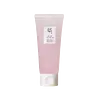
This calming moisturizer is formulated around Panthenol and Allantoin to calm redness and hydrate skin.
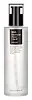
This pore-care exfoliator is formulated around Salix Alba Bark Water and Betaine Salicylate to refine the look of pores and clear breakouts.

What's inside
What's inside
 Key Ingredients
Benefits
Concerns
Ingredients Side-by-side
Water
Skin ConditioningButylene Glycol
Humectant

Glycerin
Humectant
1,2-Hexanediol
Skin Conditioning
Methyl Trimethicone
Skin Conditioning
Phaseolus Angularis Seed Extract
Antioxidant
Acrylates/C10-30 Alkyl Acrylate Crosspolymer
Emulsion StabilisingTromethamine
BufferingGlyceryl Glucoside
Humectant
C12-14 Alketh-12
EmulsifyingMaltodextrin
Absorbent
Ammonium Acryloyldimethyltaurate/Vp Copolymer
Dimethicone/Vinyl Dimethicone Crosspolymer
Skin Conditioning
Dimethicone Crosspolymer
Emulsion Stabilising
Ethylhexylglycerin
Skin ConditioningBetaine
Humectant
Panthenol
Skin Conditioning
Allantoin
Skin Conditioning
Dipotassium Glycyrrhizate
Humectant
Polyquaternium-51
Skin Conditioning
Xanthan Gum
EmulsifyingDisodium EDTA
ChelatingGlyceryl Acrylate/Acrylic Acid Copolymer
HumectantDioscorea Japonica Root Extract
Skin Conditioning
Glucose
Humectant
Sodium Citrate
BufferingBeta-Glucan
Skin Conditioning
Hydrolyzed Corn Starch
HumectantCitric Acid
Buffering


Sucrose
Humectant
Magnesium Ascorbyl Phosphate
Antioxidant



Caprylyl Glycol
Emollient
Helianthus Annuus Seed Oil
Emollient

Tocopherol
Antioxidant

Cyanocobalamin
Skin ConditioningGlycine
Buffering
Serine
Masking
Glutamic Acid
Humectant
Aspartic Acid
Masking
Leucine
Skin ConditioningAcetyl Hexapeptide-8
Humectant
Alanine
Masking
Lysine
Skin ConditioningArginine
Masking
Tyrosine
MaskingPhenylalanine
Masking
Proline
Skin Conditioning
Threonine
Valine
MaskingIsoleucine
Skin ConditioningHistidine
Humectant
Cysteine
Antioxidant
Methionine
Skin ConditioningPhosphoric Acid
BufferingAscorbic Acid
Antioxidant
Sh-Oligopeptide-1
Skin Conditioning
Sh-Oligopeptide-2
Skin Conditioning
Sh-Polypeptide-1
Skin Conditioning
Water, Butylene Glycol, Glycerin, 1,2-Hexanediol, Methyl Trimethicone, Phaseolus Angularis Seed Extract, Acrylates/C10-30 Alkyl Acrylate Crosspolymer, Tromethamine, Glyceryl Glucoside, C12-14 Alketh-12, Maltodextrin, Ammonium Acryloyldimethyltaurate/Vp Copolymer, Dimethicone/Vinyl Dimethicone Crosspolymer, Dimethicone Crosspolymer, Ethylhexylglycerin, Betaine, Panthenol, Allantoin, Dipotassium Glycyrrhizate, Polyquaternium-51, Xanthan Gum, Disodium EDTA, Glyceryl Acrylate/Acrylic Acid Copolymer, Dioscorea Japonica Root Extract, Glucose, Sodium Citrate, Beta-Glucan, Hydrolyzed Corn Starch, Citric Acid, Sucrose, Magnesium Ascorbyl Phosphate, Caprylyl Glycol, Helianthus Annuus Seed Oil, Tocopherol, Cyanocobalamin, Glycine, Serine, Glutamic Acid, Aspartic Acid, Leucine, Acetyl Hexapeptide-8, Alanine, Lysine, Arginine, Tyrosine, Phenylalanine, Proline, Threonine, Valine, Isoleucine, Histidine, Cysteine, Methionine, Phosphoric Acid, Ascorbic Acid, Sh-Oligopeptide-1, Sh-Oligopeptide-2, Sh-Polypeptide-1






Reviews
Ingredients Explained
These ingredients are found in both products.
Ingredients higher up in an ingredient list are typically present in a larger amount.
1,2-Hexanediol is a synthetic liquid and another multi-functional powerhouse.
It is a:
- Humectant, drawing moisture into the skin
- Emollient, helping to soften skin
- Solvent, dispersing and stabilizing formulas
- Preservative booster, enhancing the antimicrobial activity of other preservatives
Arginine is a semi-essential amino acid. This just means our bodies can product a bit on its own, but sometimes needs a little boost from food sources.
It is a part of your skin's natural moisturizing factor (NMF), or the water-loving molecules in your outermost layer of skin (stratum corneum) that keeps everything hydrated and happy.
Here's an interesting thing about Arginine: your skin converts it into urea through the Krebs-Henseleit urea cycle. Urea is one of the most effective humectants your skin naturally produces.
A clinical study showed applying 2.5% arginine hydrochloride to atopic dermatitis skin showed significant urea levels in the stratum corneum and improved moisture in just four weeks.
Arginine is also a precursor to nitric oxide; nitric oxide improves microcirculation and supports wound healing and collagen synthesis.
One study found that an amino acid complex containing Arginine reduced skin irritation, improved hydration, and accelerated skin repair in clinical / in-vivo studies.
Arginine itself is an amino acid and not a fatty acid, oil, or ester. On its own, it's not a direct food source for Malassezia, or the yeast that causes fungal acne.
Learn more about ArginineButylene Glycol (or BG) is used within cosmetic products for a few different reasons:
Overall, Butylene Glycol is a safe and well-rounded ingredient that works well with other ingredients.
Though this ingredient works well with most skin types, some people with sensitive skin may experience a reaction such as allergic rashes, closed comedones, or itchiness.
Learn more about Butylene GlycolPanthenol is a common ingredient that helps hydrate and soothe the skin. It is found naturally in our skin and hair.
There are two forms of panthenol: D and L.
D-panthenol is also known as dexpanthenol. Most cosmetics use dexpanthenol or a mixture of D and L-panthenol.
Panthenol is famous due to its ability to go deeper into the skin's layers. Using this ingredient has numerous pros (and no cons):
Like hyaluronic acid, panthenol is a humectant. Humectants are able to bind and hold large amounts of water to keep skin hydrated.
This ingredient works well for wound healing. It works by increasing tissue in the wound and helps close open wounds.
Once oxidized, panthenol converts to pantothenic acid. Panthothenic acid is found in all living cells.
This ingredient is also referred to as pro-vitamin B5.
Learn more about PanthenolXanthan gum is used as a stabilizer and thickener within cosmetic products. It helps give products a sticky, thick feeling - preventing them from being too runny.
On the technical side of things, xanthan gum is a polysaccharide - a combination consisting of multiple sugar molecules bonded together.
Xanthan gum is a pretty common and great ingredient. It is a natural, non-toxic, non-irritating ingredient that is also commonly used in food products.
Learn more about Xanthan Gum

