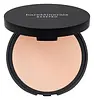
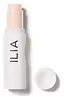
bareMinerals BarePro 16HR Skin-Perfecting Powder Foundation Versus Ilia Skin Rewind Complexion Stick

What's inside
What's inside
 Key Ingredients
Benefits
Concerns
Ingredients Side-by-side
Synthetic Fluorphlogopite
Mica
Cosmetic ColorantCaprylic/Capric Triglyceride
Masking


Zinc Oxide
Cosmetic Colorant


Diphenyl Dimethicone/Vinyl Diphenyl Dimethicone/Silsesquioxane Crosspolymer

Dimethicone
Emollient
Silica
Abrasive

Dimethicone Crosspolymer
Emulsion Stabilising
Zinc Myristate
Boron Nitride
Absorbent
Theobroma Cacao Seed Butter
Emollient




Diphenylsiloxy Phenyl Trimethicone
Skin Conditioning
Crithmum Maritimum Extract
Skin ConditioningVitis Vinifera Juice Extract
Antioxidant
Glycyrrhiza Glabra Root Extract
Bleaching



Ananas Sativus Fruit Extract
Skin ConditioningButyrospermum Parkii Butter
Skin Conditioning
Squalane
Emollient
Paeonia Albiflora Root Extract
Skin ConditioningHydrogen Dimethicone
Tocopheryl Acetate
Antioxidant
Quercetin
Antioxidant
Polysilicone-2
Aluminum Hydroxide
EmollientPolysorbate 80
Emulsifying
Methicone
Emollient
Sorbitan Sesquiisostearate
Emulsifying
Calcium Silicate
AbsorbentEthylhexylglycerin
Skin ConditioningTocopherol
Antioxidant
Water
Skin ConditioningButylene Glycol
Humectant
Lauroyl Lysine
Skin Conditioning
Benzoic Acid
Masking
Phenoxyethanol
Preservative
Chlorphenesin
Antimicrobial
CI 77891
Cosmetic ColorantIron Oxides
Synthetic Fluorphlogopite, Mica, Caprylic/Capric Triglyceride, Zinc Oxide, Diphenyl Dimethicone/Vinyl Diphenyl Dimethicone/Silsesquioxane Crosspolymer, Dimethicone, Silica, Dimethicone Crosspolymer, Zinc Myristate, Boron Nitride, Theobroma Cacao Seed Butter, Diphenylsiloxy Phenyl Trimethicone, Crithmum Maritimum Extract, Vitis Vinifera Juice Extract, Glycyrrhiza Glabra Root Extract, Ananas Sativus Fruit Extract, Butyrospermum Parkii Butter, Squalane, Paeonia Albiflora Root Extract, Hydrogen Dimethicone, Tocopheryl Acetate, Quercetin, Polysilicone-2, Aluminum Hydroxide, Polysorbate 80, Methicone, Sorbitan Sesquiisostearate, Calcium Silicate, Ethylhexylglycerin, Tocopherol, Water, Butylene Glycol, Lauroyl Lysine, Benzoic Acid, Phenoxyethanol, Chlorphenesin, CI 77891, Iron Oxides
Ethylhexyl Palmitate
Emollient
Polyethylene
Abrasive
Lauroyl Lysine
Skin Conditioning
Diisostearyl Malate
EmollientTriethylhexanoin
MaskingMica
Cosmetic ColorantDimer Dilinoleyl Dimer Dilinoleate
EmollientCaprylic/Capric Triglyceride
Masking
Squalane
Emollient
Euphorbia Cerifera Wax
Silica
Abrasive
C12-15 Alkyl Benzoate
AntimicrobialPolyhydroxystearic Acid
Emulsifying
Persea Gratissima Oil
Skin Conditioning
Glyceryl Hydrogenated Rosinate
Bis-Diglyceryl Polyacyladipate-2
Emollient
Hydrogenated Vegetable Oil
Emollient
Tribehenin
Emollient
Caprylyl Glycol
Emollient
Behenyl Behenate
EmollientTocopheryl Acetate
Antioxidant
Pentaerythrityl Tetra-Di-T-Butyl Hydroxyhydrocinnamate
Antioxidant
Ceramide Ng
Skin Conditioning
Alaria Esculenta Extract
Skin Protecting
Lavandula Stoechas Extract
MaskingTocopherol
Antioxidant
Palmitoyl Hexapeptide-12
Skin Conditioning
CI 77491
Cosmetic ColorantCI 77492
Cosmetic ColorantCI 77499
Cosmetic ColorantCI 77891
Cosmetic ColorantCI 19140
Cosmetic ColorantCI 77007
Cosmetic ColorantEthylhexyl Palmitate, Polyethylene, Lauroyl Lysine, Diisostearyl Malate, Triethylhexanoin, Mica, Dimer Dilinoleyl Dimer Dilinoleate, Caprylic/Capric Triglyceride, Squalane, Euphorbia Cerifera Wax, Silica, C12-15 Alkyl Benzoate, Polyhydroxystearic Acid, Persea Gratissima Oil, Glyceryl Hydrogenated Rosinate, Bis-Diglyceryl Polyacyladipate-2, Hydrogenated Vegetable Oil, Tribehenin, Caprylyl Glycol, Behenyl Behenate, Tocopheryl Acetate, Pentaerythrityl Tetra-Di-T-Butyl Hydroxyhydrocinnamate, Ceramide Ng, Alaria Esculenta Extract, Lavandula Stoechas Extract, Tocopherol, Palmitoyl Hexapeptide-12, CI 77491, CI 77492, CI 77499, CI 77891, CI 19140, CI 77007
Reviews
Ingredients Explained
These ingredients are found in both products.
Ingredients higher up in an ingredient list are typically present in a larger amount.
Caprylic/Capric Triglyceride (aka MCT Oil) is a lightweight emollient, solvent, and texture enhancer. It is considered a skin-softener by helping to prevent moisture loss.
Though it behaves like an oil, it is not technically one due to its chemical composition. One perk of this ingredient is that it is very stable, resistant to oxidation, and unlikely to go rancid.
In practice, that translates to a long shelf life and a consistently elegant skin feel.
While there is an assumption Caprylic Triglyceride can clog pores due to it being derived from coconut oil, there is no research supporting this. Just patch test if you have concerns.
Fractionated coconut oil and MCT Oil are both listed as Caprylic/Capric Triglyceride according to INCI. This is because INCI names are based on the ingredient’s final chemical composition and not its marketing name or source.
This ingredient is treated as the gold standard fungal acne safe oil. Even though it is coconut derived, the problematic lauric acid is stripped out.
This leaves just caprylic (C8) and capric (C10) acid. These chain lengths actually trend antifungal; a 2020 study found caprylic acid was enough to disrupt Malassezia furfur cell membrane, with a caprylic acid derivative damaging membrane structures at concentrations as low as 0.2%.
Learn more about Caprylic/Capric TriglycerideCi 77891 is a white pigment from Titanium dioxide. It is naturally found in minerals such as rutile and ilmenite.
It's main function is to add a white color to cosmetics. It can also be mixed with other colors to create different shades.
Ci 77891 is commonly found in sunscreens due to its ability to block UV rays.
Learn more about CI 77891This ingredient comes from a fatty acid (lauric acid) and amino acid (lysine). It is used to add a silky feel to cosmetics.
According to a manufacturer, its fatty acid base leaves a silky feeling on the skin. It also has emollient properties because of this. Emollients help soften skin by preventing water from evaporating.
Lauroyl lysine is barely soluble in water.
Learn more about Lauroyl LysineMica is a naturally occurring mineral used to add shimmer and color in cosmetics. It can also help improve the texture of a product or give it an opaque, white/silver color.
Serecite is the name for very fine but ragged grains of mica.
This ingredient is often coated with metal oxides like titanium dioxide. Trace amounts of heavy metals may be found in mica, but these metals are not harmful in our personal products.
Mica has been used since prehistoric times throughout the world. Ancient Egyptian, Indian, Greek, Roman, Aztec, and Chinese civilizations have used mica.
Learn more about MicaSilica, also known as silicon dioxide, is a naturally occurring mineral. It is used as a fine, spherical, and porous powder in cosmetics.
Though it has exfoliant properties, the function of silica varies depending on the product.
The unique structure of silica enhances the spreadability and adds smoothness, making it a great texture enhancer.
It is also used as an active carrier, emulsifier, and mattifier due to its ability to absorb excess oil.
In some products, tiny microneedles called spicules are made from silica or hydrolyzed sponge. When you rub them in, they lightly polish away dead skin layers and enhance the penetration of active ingredients.
Learn more about SilicaSqualane is the hydrogenated and shelf-stable form of squalene (a lipid that naturally occurs in human sebum).
It is an emollient and skin conditioning agent that is able to integrate seamlessly into the skin's lipid barrier without clogging pores.
This is due to how structurally similar it is to what your skin already produces.
Though it is mostly an emollient that helps soften and hydrate skin, it also has some humectant and occlusive action. Humectants help the skin retain moisture while occlusives seal it in, making squalane a triple-threat moisturizer.
Research shows it has antioxidant capabilities that help protect against stressors like UV exposure, specifically UVA induced oxidative stress. This study also found that it supports collagen biosynthesis in human dermal fibroblasts.
No clinical study has reported significant adverse effects and irritation reactions are very rare from this ingredient (even at 100% concentration).
Overall, it's a fantastic ingredient for hydration and is suitable for all skin types.
This depends on the source. Squalane can be derived from both plants and animals. Most squalane used in skincare comes from plants.
Please note: the source of squalane is only known if disclosed by the brand. We recommend reaching out to the brand if you have any questions about their squalane.
Read more about squalene with an "e".
Though squalane is often called an oil, it’s technically not one. It is a hydrocarbon, meaning it is only made of carbon and hydrogen. True oils are triglycerides and made of fatty acids and glycerol.
The term “oil-free” isn’t regulated so companies can define it however they want. Some exclude all oils, while others just avoid mineral oil or comedogenic oils.
Squalane has a comedogenic rating of 1 from the original 1972 study that tested raw ingredients under occlusion on rabbit ears. This system is not standardized or peer-reviewed, and using the raw ingredients is very different from how diluted cosmetic formulations are used on human skin.
A comedogenic rating of 1 means it is "unlikely to clog pores" according to the original rating system.
The overall formula of a product matters more than the individual ingredients on whether or not it will cause clogged pores.
Learn more about SqualaneTocopherol is a fat-soluble antioxidant known as Vitamin E.
You'll find this ingredient in the vast majority of skincare (for good reason). It works to neutralize free radicals, or unstable molecules generated by UV exposure, pollution, and other environmental stressors, before they can cause oxidative damage to your skin cells.
Topically applied tocopherol has been shown to protect against UV damage by ramping up the skin's own natural defense enzymes.
It also acts as a skin conditioning agent; some studies show that regular topical use can improve the skin's water-binding capacity over 2-4 weeks.
This ingredient is especially loved for being a team player. When combined with Vitamin C, the photoprotective effect of both ingredients roughly doubles and the combo also helps reduce UV-induced DNA damage.
This ingredient has some brightening potential but it's more of a prevention ingredient than spot-fader. Cell studies show it can slow down melanin production but it's worth noting that it's not the most powerful brightener out there.
In formulations, it also serves as a stabilizer that helps protect other oxidation-prone ingredients from degrading.
Concentrations usually range from 0.1-1% in most leave-on products.
Learn more about TocopherolTocopheryl Acetate is a stable, shelf-friendly form of vitamin E.
Formulators love it because plain vitamin E oxidizes quickly once it hits air. This acetate version stays stable and resists going off, helping to extend a product's shelf life.
It's actually inactive on its own and works like a slow-release "storage" form; the enzymes in your skin called esterases gradually convert it into active vitamin E over time.
One in vivo study showed 5% of the acetate in the living layer of the epidermis converted to vitamin E after 5 days of application. This study also found the skin gained protection against UV damage even though the conversion was slow and small.
Once converted, vitamin E acts as a skin's main fat-soluble antioxidant that fights free radicals to protect skin from damage.
Topical vitamin E generally boosts the skin's photoprotection, and it reduced UV-damage in animal models.
This ingredient has some brightening potential but it's more of a prevention ingredient than spot-fader. Cell studies show it can slow down melanin production but it's worth noting that it's not the most powerful brightener out there.
Overall, it has a pretty solid safety profile and has been found to be non-irritating and non-comedogenic. Allergic reactions may happen but stay rare due to how widely the ingredient gets used.
The concentration will vary depending on the formula; industry data shows 0.1% in baby lotions, 3% in lipsticks, and 5% in foot powders. You can also find this ingredient at 100% in a pure vitamin E oil.
Most leave-on skincare keeps it at the lower end, often between 0.5-1%.
Learn more about Tocopheryl Acetate

