

What's inside
What's inside
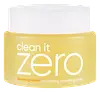 Key Ingredients
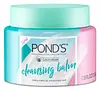
Benefits
No benefits
Concerns
Ingredients Side-by-side
Ethylhexyl Stearate
Emollient




PEG-20 Glyceryl Triisostearate
Emollient
PEG-10 Isostearate
Emulsifying
Synthetic Wax
Abrasive
Carthamus Tinctorius Seed Oil
Masking

Polyglyceryl-2 Triisostearate
Emulsifying
Butylene Glycol
Humectant
Water
Skin ConditioningParfum
Masking


Glyceryl Caprylate
EmollientCaprylyl Glycol
Emollient
Panax Ginseng Root Extract
Emollient


Panax Ginseng Berry Extract
Skin Conditioning
Butyrospermum Parkii Butter
Skin Conditioning
Simmondsia Chinensis Seed Oil
Emollient
Onsen-Sui
1,2-Hexanediol
Skin Conditioning
Chenopodium Quinoa Seed Extract
Skin Conditioning
Panax Ginseng Root Water
Masking
Theobroma Cacao Extract
Skin ConditioningDextrin
AbsorbentGlycine Max Polypeptide
Skin Conditioning
Lactobacillus Ferment
Skin Conditioning
Avena Sativa Meal Extract
SoothingPanax Ginseng Seed Oil
Emollient
Lactobacillus
Skin ConditioningHydrolyzed Ginseng Saponins
Skin ConditioningEthylhexyl Stearate, PEG-20 Glyceryl Triisostearate, PEG-10 Isostearate, Synthetic Wax, Carthamus Tinctorius Seed Oil, Polyglyceryl-2 Triisostearate, Butylene Glycol, Water, Parfum, Glyceryl Caprylate, Caprylyl Glycol, Panax Ginseng Root Extract, Panax Ginseng Berry Extract, Butyrospermum Parkii Butter, Simmondsia Chinensis Seed Oil, Onsen-Sui, 1,2-Hexanediol, Chenopodium Quinoa Seed Extract, Panax Ginseng Root Water, Theobroma Cacao Extract, Dextrin, Glycine Max Polypeptide, Lactobacillus Ferment, Avena Sativa Meal Extract, Panax Ginseng Seed Oil, Lactobacillus, Hydrolyzed Ginseng Saponins


Reviews
Ingredients Explained
These ingredients are found in both products.
Ingredients higher up in an ingredient list are typically present in a larger amount.
Parfum is a catch-all term for an ingredient or more that is used to give a scent to products.
Also called "fragrance", this ingredient can be a blend of hundreds of chemicals or plant oils. This means every product with "fragrance" or "parfum" in the ingredients list is a different mixture.
For instance, Habanolide is a proprietary trade name for a specific aroma chemical. When used as a fragrance ingredient in cosmetics, most aroma chemicals fall under the broad labeling category of “FRAGRANCE” or “PARFUM” according to EU and US regulations.
The term 'parfum' or 'fragrance' is not regulated in many countries. In many cases, it is up to the brand to define this term.
For instance, many brands choose to label themselves as "fragrance-free" because they are not using synthetic fragrances. However, their products may still contain ingredients such as essential oils that are considered a fragrance by INCI standards.
One example is Calendula flower extract. Calendula is an essential oil that still imparts a scent or 'fragrance'.
Depending on the blend, the ingredients in the mixture can cause allergies and sensitivities on the skin. Some ingredients that are known EU allergens include linalool and citronellol.
Parfum can also be used to mask or cover an unpleasant scent.
The bottom line is: not all fragrances/parfum/ingredients are created equally. If you are worried about fragrances, we recommend taking a closer look at an ingredient. And of course, we always recommend speaking with a professional.
Learn more about ParfumPEG-10 Isostearate isn't fungal acne safe.
PEG-20 Glyceryl Triisostearate is a synthetic, oil-loving helper ingredient that does two jobs:
This ingredient is made by joining three building blocks: PEG, Isostearic Acid and glycerin. The PEG gives it the oil-and-water blending power.
This ingredient has been found safe for use in cosmetics and broader PEG family testing shows minimal irritation/sensitization. The molecule's large size also means it isn't expected to penetrate skin to any meaningful degree.
Fungal acne note: This ingredient may not be fungal acne safe due to isostearic acid (C18). Isostearic acid falls into the C11-24 range that Malassezia can feed on.
Learn more about PEG-20 Glyceryl Triisostearate

