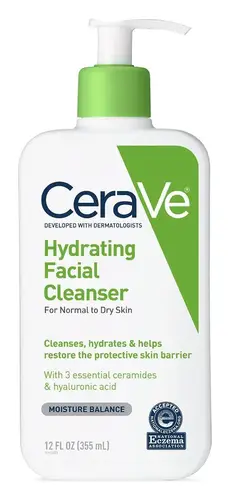
What's inside
What's inside
 Key Ingredients
No key ingredients
Benefits
Concerns
Ingredients Side-by-side
Water
Skin ConditioningAmmonium C12-16 Alkyl Sulfate
Cleansing
Hydrogenated Starch Hydrolysate
HumectantCoco-Glucoside
Cleansing
Cocamidopropyl Betaine
Cleansing


Sodium Cocoamphoacetate
CleansingAloe Barbadensis Leaf Juice Powder
Skin Conditioning


Vaccinium Myrtillus Fruit Extract
Skin ConditioningSaccharum Officinarum Extract
MoisturisingCitrus Aurantium Dulcis Fruit Extract
MaskingCitrus Limon Fruit Extract
Masking
Acer Saccharum Extract
Skin ConditioningZinc PCA
Humectant




Glycerin
Humectant
Sodium Chloride
MaskingSodium Levulinate
Skin ConditioningBenzoic Acid
Masking
Levulinic Acid
Perfuming

Sodium Benzoate
Masking
Citric Acid
Buffering

Parfum
Masking
Citronellol
Perfuming
Linalool
Perfuming
Limonene
Perfuming
Water, Ammonium C12-16 Alkyl Sulfate, Hydrogenated Starch Hydrolysate, Coco-Glucoside, Cocamidopropyl Betaine, Sodium Cocoamphoacetate, Aloe Barbadensis Leaf Juice Powder, Vaccinium Myrtillus Fruit Extract, Saccharum Officinarum Extract, Citrus Aurantium Dulcis Fruit Extract, Citrus Limon Fruit Extract, Acer Saccharum Extract, Zinc PCA, Glycerin, Sodium Chloride, Sodium Levulinate, Benzoic Acid, Levulinic Acid, Sodium Benzoate, Citric Acid, Parfum, Citronellol, Linalool, Limonene
Water
Skin ConditioningPentylene Glycol
Skin Conditioning
Sodium Cocoamphoacetate
CleansingHydrogenated Starch Hydrolysate
HumectantGlycerin
Humectant
Butylene Glycol
Humectant
Sodium Laureth Sulfate
Cleansing
Disodium Cocoyl Glutamate
Cleansing
Polyglyceryl-2 Caprate
EmulsifyingPolysorbate 20
Emulsifying
Coco-Glucoside
Cleansing
Levulinic Acid
Perfuming
P-Anisic Acid
MaskingSodium Cocoyl Glutamate
Cleansing
Sodium Levulinate
Skin ConditioningSodium Hydroxide
BufferingAloe Barbadensis Leaf Juice Powder
Skin Conditioning
Citric Acid
Buffering
Water, Pentylene Glycol, Sodium Cocoamphoacetate, Hydrogenated Starch Hydrolysate, Glycerin, Butylene Glycol, Sodium Laureth Sulfate, Disodium Cocoyl Glutamate, Polyglyceryl-2 Caprate, Polysorbate 20, Coco-Glucoside, Levulinic Acid, P-Anisic Acid, Sodium Cocoyl Glutamate, Sodium Levulinate, Sodium Hydroxide, Aloe Barbadensis Leaf Juice Powder, Citric Acid
Reviews
Ingredients Explained
These ingredients are found in both products.
Ingredients higher up in an ingredient list are typically present in a larger amount.
Aloe Barbadensis Leaf Juice Powder comes from the aloe plant.
You may know Aloe to be a good sunburn reliever and inflammation reducer. This is because it contains many components that are known to help reduce irritation and itchiness.
Aloe leaves are also great moisturizers. They are naturally rich in polysaccharides, a carbohydrate made of sugars. Polysaccharides are able to mimic the carbs found in the top layer of your skin. This can help keep your skin hydrated.
Aloe contains the antioxidants Vitamins A, C, and E. These vitamins neutralize free radicals. Free-radicals are molecules that may damage your skin cells, such as pollution.
Aloe does not protect against UV rays, despite it soothing sunburns.
Learn more about Aloe Barbadensis Leaf Juice PowderCitric Acid is an alpha hydroxy acid (AHA) naturally found in citrus fruits like oranges, lemons, and limes.
Like other AHAs, citric acid can exfoliate skin by breaking down the bonds that hold dead skin cells together. This helps reveal smoother and brighter skin underneath.
However, this exfoliating effect only happens at high concentrations (20%) which can be hard to find in cosmetic products.
Due to this, citric acid is usually included in small amounts as a pH adjuster. This helps keep products slightly more acidic and compatible with skin's natural pH.
In skincare formulas, citric acid can:
While it can provide some skin benefits, research shows lactic acid and glycolic acid are generally more effective and less irritating exfoliants.
Most citric acid used in skincare today is made by fermenting sugars (usually from molasses). This synthetic version is identical to the natural citrus form but easier to stabilize and use in formulations.
Rosacea skin has a lower threshold for acids generally, with 62.5% of rosacea subjects in one study reacting to lactic acid in a sting test. This is why we mark citric acid as a potential rosacea trigger.
However, this ingredient shows up as a pH adjuster or chelator at roughly 0.1-1% in many products. These low levels are unlikely to be an issue for rosacea skin and becomes a potential trigger at exfoliating concentrations (20%). Because everybody's skin is unique, we recommend a patch test if you are unsure.
Learn more about Citric AcidCoco-Glucoside is a surfactant, or a cleansing ingredient. It is made from glucose and coconut oil.
Surfactants help gather dirt, oil, and other pollutants from your skin to be rinsed away.
This ingredient is considered gentle and non-comedogenic. However, it may still be irritating for some.
Learn more about Coco-GlucosideGlycerin (or glycerol) is a compound naturally found in your skin. It's a powerhouse humectant that pulls water into the stratum corneum.
Topically, glycerin does several things at once:
Your skin makes glycerin on its own (mostly from sebaceous oil breakdown) and shuttles it to your outermost layer of skin, or your epidermis, via aquaporin-3.
Aquaporin-3 is a transporter that is essential for normal skin hydration, elasticity, and repair. Interestingly, mice lacking in AQP3 have dry and less elastic skin that can be fully corrected with glycerin.
This ingredient is non-irritating, plays well with almost every ingredient, and works across all skin types. Typical use is anywhere between 3-10% but can go up to 79% in some leave-on products.
Just know very high concentrations (>40%) can feel tacky in low humidity.
Glycerin is the name for this ingredient in American English. British English uses Glycerol/Glycerine.
Learn more about GlycerinHydrogenated Starch Hydrolysate is a made up of a mixture of sugar alcohols (like sorbitol) and is created by hydrogenating corn, wheat, or potato starch.
It acts as a humectant and draws water to the skin to keep it hydrated. Generally, this is a well-tolerated and non-irritating ingredient.
Levulinic Acid is a fragrance that comes from the degradation of cellulose. It is a saturated fatty acid.
This ingredient is often used a building block for other compounds, such as in pharmaceuticals.
According to a manufacturer, this ingredient smells like caramel.
Learn more about Levulinic AcidWe don't have a description for Sodium Cocoamphoacetate yet.
Sodium levulinate is the a sodium salt of Levulinic Acid. Oncedissolved in an aqueous solution, the two ingredients become identical. It is usually derived from renewable plant sources like corn starch or sugarcane.
In skincare, it mostly acts as a skin conditioning agent that keeps skin soft and hydrated. It also acts as a preservative booster by inhibiting the growth of mold, yeast, and bacteria.
It's often paired with Sodium Anisate as the two create a broad-spectrum preservative system that is popular in "natural" formulations.
This ingredient is water-soluble.
The CIR Expert Panel for Cosmetic Ingredient Safety has concluded this ingredient to be non-irritated and there are no restrictions for use in EU cosmetics. The FDA also allows this ingredient to be used as a food-grade flavoring agent.
Learn more about Sodium LevulinateWater. It's the most common cosmetic ingredient of all. You'll usually see it at the top of ingredient lists, meaning that it makes up the largest part of the product.
So why is it so popular? Water most often acts as a solvent - this means that it helps dissolve other ingredients into the formulation.
You'll also recognize water as that liquid we all need to stay alive. If you see this, drink a glass of water. Remember to stay hydrated!
Learn more about Water