Avène XeraCalm A.D Lipid-Replenishing Cleansing Oil Versus Skinmade Grape Seed Oil + Squalane Nourishing Cleansing Oil
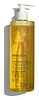
This mild gel makeup remover is made to dissolve makeup, sunscreen, and daily buildup.
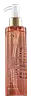
This oil-based makeup remover is made to dissolve makeup, sunscreen, and daily buildup.


What's inside
What's inside
 Key Ingredients
Benefits
Concerns
Ingredients Side-by-side
Water
Skin ConditioningGlycerin
Humectant


Hydrogenated Starch Hydrolysate
HumectantDisodium Cocoamphodiacetate
CleansingDecyl Glucoside
Cleansing
Polysorbate 20
Emulsifying

Sodium Chloride
MaskingCeteareth-60 Myristyl Glycol
EmulsifyingAquaphilus Dolomiae Extract
Skin Conditioning
Arginine
Masking
Citric Acid
Buffering

Coco-Glucoside
Cleansing
Evening Primrose Oil/Palm Oil Aminopropanediol Esters
Skin Conditioning
Glyceryl Oleate
Emollient

Glycine
Buffering
Hydrogenated Vegetable Glycerides Citrate
EmollientSimmondsia Chinensis Seed Oil
Emollient
Sodium Benzoate
Masking
Tocopherol
Antioxidant




Trisodium Ethylenediamine Disuccinate
ChelatingWater, Glycerin, Hydrogenated Starch Hydrolysate, Disodium Cocoamphodiacetate, Decyl Glucoside, Polysorbate 20, Sodium Chloride, Ceteareth-60 Myristyl Glycol, Aquaphilus Dolomiae Extract, Arginine, Citric Acid, Coco-Glucoside, Evening Primrose Oil/Palm Oil Aminopropanediol Esters, Glyceryl Oleate, Glycine, Hydrogenated Vegetable Glycerides Citrate, Simmondsia Chinensis Seed Oil, Sodium Benzoate, Tocopherol, Trisodium Ethylenediamine Disuccinate
Caprylic/Capric Triglyceride
Masking
Cetyl Ethylhexanoate
EmollientSqualane
Emollient
Isononyl Isononanoate
EmollientPEG-7 Glyceryl Cocoate
Emulsifying

Isopropyl Myristate
Emollient


Vitis Vinifera Seed Oil
Emollient
Avena Sativa Kernel Oil
Skin Conditioning
Simmondsia Chinensis Seed Oil
Emollient
Moringa Oleifera Seed Oil
Emollient
Helianthus Annuus Seed Oil
Emollient
Ribes Nigrum Seed Oil
Emollient
Tocopherol
Antioxidant
PEG-20 Glyceryl Triisostearate
Emollient
Polysorbate 20
Emulsifying
Butyrospermum Parkii Butter
Skin Conditioning
Carapa Guaianensis Seed Oil
Skin Conditioning
Vaccinium Macrocarpon Seed Oil
Skin Conditioning
Caprylic/Capric Triglyceride, Cetyl Ethylhexanoate, Squalane, Isononyl Isononanoate, PEG-7 Glyceryl Cocoate, Isopropyl Myristate, Vitis Vinifera Seed Oil, Avena Sativa Kernel Oil, Simmondsia Chinensis Seed Oil, Moringa Oleifera Seed Oil, Helianthus Annuus Seed Oil, Ribes Nigrum Seed Oil, Tocopherol, PEG-20 Glyceryl Triisostearate, Polysorbate 20, Butyrospermum Parkii Butter, Carapa Guaianensis Seed Oil, Vaccinium Macrocarpon Seed Oil
Reviews
Ingredients Explained
These ingredients are found in both products.
Ingredients higher up in an ingredient list are typically present in a larger amount.
Polysorbate 20 is a gentle, water-soluble emulsifier and mild surfactant. It stops oil and water from separating to keep your formulas blended and stable.
It also acts as a mild penetration enhancer by helping active ingredients absorb slightly better.
The common safety discussion around this ingredient involves a manufacturing byproduct called 1,4-dioxane.
Trace amounts can form during production but the EU's Scientific Committee on Consumer Safety has concluded that levels at/below 10 ppm in finished products are safe (commercial products consistently fall within acceptable margins).
True allergic reactions are uncommon and the CIR Expert Panel has confirmed this ingredient to be safe as used in cosmetics.
Because it is derived from lauric acid, it may not be fungal acne safe.
Learn more about Polysorbate 20Jojoba oil is one of the most well-studied plant-derived ingredients in cosmetics. It is an emollient with a special structure.
Because it is made up of 97-98% wax esters, it closely mirrors the linear monoesters found in human sebum. This makes it skin compatible, non-greasy, and lightweight.
Unlike other plant oils, jojoba wax doesn't easily penetrate skin. It mostly works in the uppermost layers as an emollient. This just means it forms a light barrier on the skin to help retain moisture.
Formulations with jojoba esters up to 90% reduced transepidermal water loss (TEWL) and increased barrier recovery by 81% (outperforming bisabolol at 47%).
Besides barrier support, the science also suggests jojoba to have anti-inflammatory effects and potential applications for skin infections, aging, and wound healing.
Fun fact: Indigenous cultures have used jojoba as a moisturizer and to help treat burns for centuries.
Fungal acne: The Malassezia yeast is known to metabolize fatty acids in the C11-24 range and jojoba's dominant fatty acid components fall into this range. This ingredient may not be fungal acne safe.
Learn more about Simmondsia Chinensis Seed OilTocopherol is a fat-soluble antioxidant known as Vitamin E.
You'll find this ingredient in the vast majority of skincare (for good reason). It works to neutralize free radicals, or unstable molecules generated by UV exposure, pollution, and other environmental stressors, before they can cause oxidative damage to your skin cells.
Topically applied tocopherol has been shown to protect against UV damage by ramping up the skin's own natural defense enzymes.
It also acts as a skin conditioning agent; some studies show that regular topical use can improve the skin's water-binding capacity over 2-4 weeks.
This ingredient is especially loved for being a team player. When combined with Vitamin C, the photoprotective effect of both ingredients roughly doubles and the combo also helps reduce UV-induced DNA damage.
This ingredient has some brightening potential but it's more of a prevention ingredient than spot-fader. Cell studies show it can slow down melanin production but it's worth noting that it's not the most powerful brightener out there.
In formulations, it also serves as a stabilizer that helps protect other oxidation-prone ingredients from degrading.
Concentrations usually range from 0.1-1% in most leave-on products.
Learn more about Tocopherol

