

What's inside
What's inside
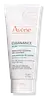 Key Ingredients
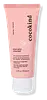
Benefits
Concerns
Ingredients Side-by-side
Salicylic Acid
Masking










Water
Skin ConditioningSodium Cocoyl Isethionate
Cleansing
Cocamidopropyl Hydroxysultaine
Cleansing
Propanediol
Solvent

Stearyl Alcohol
Emollient

Coco-Glucoside
Cleansing
Sodium Lauroyl Sarcosinate
CleansingBetaine
Humectant
Glyceryl Laurate
Emollient
Sodium Chloride
MaskingGlycerin
Humectant
Cetearyl Olivate
Hydroxypropyl Methylcellulose
Emulsion StabilisingSodium Benzoate
Masking
Saccharide Isomerate
Humectant
Sorbitan Olivate
Emulsifying
Hydroxypropyl Guar Hydroxypropyltrimonium Chloride
Xanthan Gum
EmulsifyingTrisodium Ethylenediamine Disuccinate
Potassium Sorbate
Preservative
Lactobacillus Ferment Lysate
Skin Conditioning
Citric Acid
Buffering
Sodium Citrate
BufferingAcrylates Copolymer
Salicylic Acid, Water, Sodium Cocoyl Isethionate, Cocamidopropyl Hydroxysultaine, Propanediol, Stearyl Alcohol, Coco-Glucoside, Sodium Lauroyl Sarcosinate, Betaine, Glyceryl Laurate, Sodium Chloride, Glycerin, Cetearyl Olivate, Hydroxypropyl Methylcellulose, Sodium Benzoate, Saccharide Isomerate, Sorbitan Olivate, Hydroxypropyl Guar Hydroxypropyltrimonium Chloride, Xanthan Gum, Trisodium Ethylenediamine Disuccinate, Potassium Sorbate, Lactobacillus Ferment Lysate, Citric Acid, Sodium Citrate, Acrylates Copolymer
Water
Skin ConditioningGlycerin
Humectant
Betaine
Humectant
Musa Sapientum Fruit Extract
Skin ConditioningSaccharomyces Ferment
Skin Conditioning
Capryl/Capramidopropyl Betaine
CleansingArginine
Masking
Xanthan Gum
EmulsifyingPolyglyceryl-6 Caprylate
EmulsifyingPolyglyceryl-4 Caprate
EmulsifyingPolyglyceryl-4 Cocoate
Emollient
Polyglyceryl-6 Ricinoleate
Emulsifying
Hibiscus Sabdariffa Flower Extract
Skin ConditioningIsoamyl Laurate
Emollient
Sodium Chloride
MaskingVitis Vinifera Fruit Extract
Skin ConditioningSodium Hyaluronate
Humectant

Lactic Acid
Buffering
Phenylpropanol
Masking

Citric Acid
Buffering
Tartaric Acid
Buffering
Gluconic Acid
Water, Glycerin, Betaine, Musa Sapientum Fruit Extract, Saccharomyces Ferment, Capryl/Capramidopropyl Betaine, Arginine, Xanthan Gum, Polyglyceryl-6 Caprylate, Polyglyceryl-4 Caprate, Polyglyceryl-4 Cocoate, Polyglyceryl-6 Ricinoleate, Hibiscus Sabdariffa Flower Extract, Isoamyl Laurate, Sodium Chloride, Vitis Vinifera Fruit Extract, Sodium Hyaluronate, Lactic Acid, Phenylpropanol, Citric Acid, Tartaric Acid, Gluconic Acid
Reviews
Ingredients Explained
These ingredients are found in both products.
Ingredients higher up in an ingredient list are typically present in a larger amount.
Betaine is a humectant. Like hyaluronic acid, it helps attract and retain moisture in the skin. It’s known for being gentle and for helping the skin maintain balanced hydration.
Betaine is mainly used to improve hydration and support calmer skin. It helps skin cells regulate water balance because it functions as an osmolyte.
Some studies suggest betaine may support making skin tone more even.
Fun fact: Betaine naturally exists in the skin and the body. In cosmetic products, it can be either plant-derived (most commonly from sugar beets) or synthetically produced for consistency and stability.
Betaine is also known as trimethylglycine.
Learn more about BetaineCitric Acid is an alpha hydroxy acid (AHA) naturally found in citrus fruits like oranges, lemons, and limes.
Like other AHAs, citric acid can exfoliate skin by breaking down the bonds that hold dead skin cells together. This helps reveal smoother and brighter skin underneath.
However, this exfoliating effect only happens at high concentrations (20%) which can be hard to find in cosmetic products.
Due to this, citric acid is usually included in small amounts as a pH adjuster. This helps keep products slightly more acidic and compatible with skin's natural pH.
In skincare formulas, citric acid can:
While it can provide some skin benefits, research shows lactic acid and glycolic acid are generally more effective and less irritating exfoliants.
Most citric acid used in skincare today is made by fermenting sugars (usually from molasses). This synthetic version is identical to the natural citrus form but easier to stabilize and use in formulations.
Read more about some other popular AHA's here:
Learn more about Citric AcidGlycerin (or glycerol) is a compound naturally found in your skin. It's a powerhouse humectant that pulls water into the stratum corneum.
Topically, glycerin does several things at once:
Your skin makes glycerin on its own (mostly from sebaceous oil breakdown) and shuttles it to your outermost layer of skin, or your epidermis, via aquaporin-3.
Aquaporin-3 is a transporter that is essential for normal skin hydration, elasticity, and repair. Interestingly, mice lacking in AQP3 have dry and less elastic skin that can be fully corrected with glycerin.
This ingredient is non-irritating, plays well with almost every ingredient, and works across all skin types. Typical use is anywhere between 3-10% but can go up to 79% in some leave-on products.
Just know very high concentrations (>40%) can feel tacky in low humidity.
Glycerin is the name for this ingredient in American English. British English uses Glycerol/Glycerine.
Learn more about GlycerinChances are, you eat sodium chloride every day. Sodium Chloride is also known as table salt. This ingredient has many purposes in skincare: thickener, emulsifier, and exfoliator.
You'll most likely find this ingredient in cleansers where it is used to create a gel-like texture. As an emulsifier, it also prevents ingredients from separating.
You might see people debate whether Sodium Chloride is comedogenic, but there actually haven't been any comedogenic tests done on it. Either way, the overall formulation of a product matters a lot more than any single ingredient.
You might see this ingredient used in scrubs as a primary exfoliating ingredient.
Learn more about Sodium ChlorideWater. It's the most common cosmetic ingredient of all. You'll usually see it at the top of ingredient lists, meaning that it makes up the largest part of the product.
So why is it so popular? Water most often acts as a solvent - this means that it helps dissolve other ingredients into the formulation.
You'll also recognize water as that liquid we all need to stay alive. If you see this, drink a glass of water. Remember to stay hydrated!
Learn more about WaterXanthan gum is used as a stabilizer and thickener within cosmetic products. It helps give products a sticky, thick feeling - preventing them from being too runny.
On the technical side of things, xanthan gum is a polysaccharide - a combination consisting of multiple sugar molecules bonded together.
Xanthan gum is a pretty common and great ingredient. It is a natural, non-toxic, non-irritating ingredient that is also commonly used in food products.
Learn more about Xanthan Gum

