
What's inside
What's inside
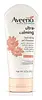 Key Ingredients
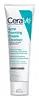
Benefits
Concerns
No concerns
Ingredients Side-by-side
Water
Skin ConditioningGlycerin
Humectant


Cocamidopropyl Hydroxysultaine
Cleansing
Sodium Cocoyl Isethionate
Cleansing
Sodium Methyl Cocoyl Taurate
Cleansing
Sodium Chloride
MaskingSodium Hydrolyzed Potato Starch Dodecenylsuccinate
SurfactantPhenoxyethanol
Preservative
Potassium Acrylates Copolymer
Hydroxyacetophenone
Antioxidant


Acrylates/C10-30 Alkyl Acrylate Crosspolymer
Emulsion StabilisingSodium Hydroxide
BufferingLinoleamidopropyl Pg-Dimonium Chloride Phosphate
Disodium EDTA
Avena Sativa Kernel Flour
Abrasive

Guar Hydroxypropyltrimonium Chloride
Skin ConditioningEthylhexylglycerin
Skin ConditioningChrysanthemum Parthenium Flower/Leaf/Stem Juice
Antioxidant
Water, Glycerin, Cocamidopropyl Hydroxysultaine, Sodium Cocoyl Isethionate, Sodium Methyl Cocoyl Taurate, Sodium Chloride, Sodium Hydrolyzed Potato Starch Dodecenylsuccinate, Phenoxyethanol, Potassium Acrylates Copolymer, Hydroxyacetophenone, Acrylates/C10-30 Alkyl Acrylate Crosspolymer, Sodium Hydroxide, Linoleamidopropyl Pg-Dimonium Chloride Phosphate, Disodium EDTA, Avena Sativa Kernel Flour, Guar Hydroxypropyltrimonium Chloride, Ethylhexylglycerin, Chrysanthemum Parthenium Flower/Leaf/Stem Juice
Water
Skin ConditioningGlycerin
Humectant
Propylene Glycol
Humectant

Cocamidopropyl Hydroxysultaine
Cleansing
Sodium C14-16 Olefin Sulfonate
Cleansing
Xanthan Gum
EmulsifyingPotassium Hydroxide
BufferingCeramide NP
Skin Conditioning

Ceramide AP
Skin Conditioning
Ceramide EOP
Skin Conditioning
Carbomer
Emulsion StabilisingNiacinamide
Smoothing





Glycolic Acid
Buffering
Sodium Chloride
MaskingSodium Citrate
BufferingSodium Hyaluronate
Humectant
Sodium Lauroyl Lactylate
EmulsifyingSodium Hydroxide
BufferingCholesterol
Emollient
Phenoxyethanol
Preservative
Propanediol
Solvent
Citric Acid
Buffering
Tetrasodium EDTA
Diethylhexyl Sodium Sulfosuccinate
CleansingPhytosphingosine
Skin Conditioning
Ethylhexylglycerin
Skin ConditioningBenzoic Acid
Masking
Water, Glycerin, Propylene Glycol, Cocamidopropyl Hydroxysultaine, Sodium C14-16 Olefin Sulfonate, Xanthan Gum, Potassium Hydroxide, Ceramide NP, Ceramide AP, Ceramide EOP, Carbomer, Niacinamide, Glycolic Acid, Sodium Chloride, Sodium Citrate, Sodium Hyaluronate, Sodium Lauroyl Lactylate, Sodium Hydroxide, Cholesterol, Phenoxyethanol, Propanediol, Citric Acid, Tetrasodium EDTA, Diethylhexyl Sodium Sulfosuccinate, Phytosphingosine, Ethylhexylglycerin, Benzoic Acid
Reviews
Ingredients Explained
These ingredients are found in both products.
Ingredients higher up in an ingredient list are typically present in a larger amount.
Cocamidopropyl Hydroxysultaine is a synthetic cleansing agent, though it is derived from coconut oil.
It is used to enhance the texture of products by boosting lather and thickening the texture. As a cleanser, Cocamidopropyl Hydroxysultaine is mild.
Ethylhexylglycerin is created from glycerin. It is a multitasker ingredient that:
The CIR Expert Panel found minimal skin absorption or sensitization of any kind in a safety assessment. Though this ingredient is considered well-tolerated, a small number of cases of allergic dermatitis have been published since 2002. Just be sure to patch test if you are unsure.
Industry-reported use ranges from 8% in rinse-off products and 2% in leave-on formulations.
Learn more about EthylhexylglycerinGlycerin (or glycerol) is a compound naturally found in your skin. It's a powerhouse humectant that pulls water into the stratum corneum.
Topically, glycerin does several things at once:
Your skin makes glycerin on its own (mostly from sebaceous oil breakdown) and shuttles it to your outermost layer of skin, or your epidermis, via aquaporin-3.
Aquaporin-3 is a transporter that is essential for normal skin hydration, elasticity, and repair. Interestingly, mice lacking in AQP3 have dry and less elastic skin that can be fully corrected with glycerin.
This ingredient is non-irritating, plays well with almost every ingredient, and works across all skin types. Typical use is anywhere between 3-10% but can go up to 79% in some leave-on products.
Just know very high concentrations (>40%) can feel tacky in low humidity.
Glycerin is the name for this ingredient in American English. British English uses Glycerol/Glycerine.
Learn more about GlycerinPhenoxyethanol is a preservative that has germicide, antimicrobial, and aromatic properties. Studies show that phenoxyethanol can prevent microbial growth. By itself, it has a scent that is similar to that of a rose.
It's often used in formulations along with Caprylyl Glycol to preserve the shelf life of products.
Chances are, you eat sodium chloride every day. Sodium Chloride is also known as table salt. This ingredient has many purposes in skincare: thickener, emulsifier, and exfoliator.
You'll most likely find this ingredient in cleansers where it is used to create a gel-like texture. As an emulsifier, it also prevents ingredients from separating.
You might see people debate whether Sodium Chloride is comedogenic, but there actually haven't been any comedogenic tests done on it. Either way, the overall formulation of a product matters a lot more than any single ingredient.
You might see this ingredient used in scrubs as a primary exfoliating ingredient.
Learn more about Sodium ChlorideSodium Hydroxide is also known as lye or caustic soda. It is used to adjust the pH of products; many ingredients require a specific pH to be effective.
In small amounts, sodium hydroxide is considered safe to use. However, large amounts may cause chemical burns due to its high alkaline.
Your skin has a natural pH and acid mantle. This acid mantle helps prevent harmful bacteria from breaking through. The acid mantle also helps keep your skin hydrated.
"Alkaline" refers to a high pH level. A low pH level would be considered acidic.
Learn more about Sodium HydroxideWater. It's the most common cosmetic ingredient of all. You'll usually see it at the top of ingredient lists, meaning that it makes up the largest part of the product.
So why is it so popular? Water most often acts as a solvent - this means that it helps dissolve other ingredients into the formulation.
You'll also recognize water as that liquid we all need to stay alive. If you see this, drink a glass of water. Remember to stay hydrated!
Learn more about Water
