

What's inside
What's inside
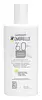
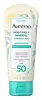 Key Ingredients
Benefits
Concerns
No concerns
Ingredients Side-by-side
Zinc Oxide 21.6%
Cosmetic Colorant


Water
Skin ConditioningC12-15 Alkyl Benzoate
AntimicrobialStyrene/Acrylates Copolymer
Octyldodecyl Citrate Crosspolymer
HumectantPhenyl Trimethicone
Skin Conditioning
Cetyl PEG/PPG-10/1 Dimethicone
Emulsifying
Dimethicone
Emollient
Glycerin
Humectant

Polyhydroxystearic Acid
Emulsifying
Ethyl Methicone
Emollient
Silica
Abrasive

Cetyl Dimethicone
Emollient
Triethoxycaprylylsilane
Phenoxyethanol
Preservative
Glyceryl Behenate
Emollient
Sodium Chloride
MaskingAcrylates/Dimethicone Copolymer
Skin Conditioning
Chlorphenesin
Antimicrobial
Phenethyl Alcohol
MaskingAvena Sativa Kernel Flour
Abrasive
Caprylyl Glycol
Emollient
Cetyl Dimethicone/Bis-Vinyldimethicone Crosspolymer
Emollient
Tocopheryl Acetate
Antioxidant


Chrysanthemum Parthenium Flower/Leaf/Stem Juice
Antioxidant
Zinc Oxide 21.6%, Water, C12-15 Alkyl Benzoate, Styrene/Acrylates Copolymer, Octyldodecyl Citrate Crosspolymer, Phenyl Trimethicone, Cetyl PEG/PPG-10/1 Dimethicone, Dimethicone, Glycerin, Polyhydroxystearic Acid, Ethyl Methicone, Silica, Cetyl Dimethicone, Triethoxycaprylylsilane, Phenoxyethanol, Glyceryl Behenate, Sodium Chloride, Acrylates/Dimethicone Copolymer, Chlorphenesin, Phenethyl Alcohol, Avena Sativa Kernel Flour, Caprylyl Glycol, Cetyl Dimethicone/Bis-Vinyldimethicone Crosspolymer, Tocopheryl Acetate, Chrysanthemum Parthenium Flower/Leaf/Stem Juice
Homosalate 10%
Skin Conditioning
Ethylhexyl Salicylate 5%
UV Absorber
Octocrylene 5%
UV Absorber

Butyl Methoxydibenzoylmethane 3%
UV Absorber
Benzophenone-3 3%
UV Absorber
Cyclopentasiloxane
Emollient
Dicaprylyl Ether
Emollient
Alcohol Denat.
Antimicrobial


Silica
Abrasive
Dimethicone
Emollient
Styrene/Acrylates Copolymer
PEG-30 Dipolyhydroxystearate
Emulsifying
Cyclohexasiloxane
Emollient
Polymethylsilsesquioxane
Nylon-12
Dicaprylyl Carbonate
EmollientPhenoxyethanol
Preservative
Lauryl PEG/PPG-18/18 Methicone
Skin Conditioning
Sodium Chloride
MaskingCaprylyl Glycol
Emollient
PEG-8 Laurate
Emulsifying
Methylparaben
Preservative
Poly C10-30 Alkyl Acrylate
Emulsion StabilisingDisteardimonium Hectorite
StabilisingIsostearyl Alcohol
Emollient
Disodium EDTA
Dodecene
MaskingPoloxamer 407
EmulsifyingTocopherol
Antioxidant


Ceramide AP
Skin Conditioning

Homosalate 10%, Ethylhexyl Salicylate 5%, Octocrylene 5%, Butyl Methoxydibenzoylmethane 3%, Benzophenone-3 3%, Cyclopentasiloxane, Dicaprylyl Ether, Alcohol Denat., Silica, Dimethicone, Styrene/Acrylates Copolymer, PEG-30 Dipolyhydroxystearate, Cyclohexasiloxane, Polymethylsilsesquioxane, Nylon-12, Dicaprylyl Carbonate, Phenoxyethanol, Lauryl PEG/PPG-18/18 Methicone, Sodium Chloride, Caprylyl Glycol, PEG-8 Laurate, Methylparaben, Poly C10-30 Alkyl Acrylate, Disteardimonium Hectorite, Isostearyl Alcohol, Disodium EDTA, Dodecene, Poloxamer 407, Tocopherol, Ceramide AP
Reviews
Ingredients Explained
These ingredients are found in both products.
Ingredients higher up in an ingredient list are typically present in a larger amount.
Caprylyl Glycol is a humectant, skin conditioner, emollient, and preservative booster derived from either caprylic acid or synthetically created.
Typical use levels vary from 0.3-1% as a preservative booster and go up to 2% to condition skin.
Because it is not a free-fatty acid or alcohol, this ingredient is fungal acne safe (there's nothing for Malassezia to feed on).
Learn more about Caprylyl GlycolDimethicone is a type of synthetic silicone created from natural materials such as quartz. It is also known as polydimethylsiloxane.
What it does:
Dimethicone comes in different viscosities:
Depending on the viscosity, dimethicone has different properties.
Ingredients lists don't always show which type is used, so we recommend reaching out to the brand if you have questions about the viscosity.
This ingredient is unlikely to cause irritation because it does not get absorbed into skin. However, people with silicone allergies should be careful about using this ingredient.
Note: Dimethicone may contribute to pilling. This is because it is not oil or water soluble, so pilling may occur when layered with products. When mixed with heavy oils in a formula, the outcome is also quite greasy.
Learn more about DimethiconePhenoxyethanol is a preservative that has germicide, antimicrobial, and aromatic properties. Studies show that phenoxyethanol can prevent microbial growth. By itself, it has a scent that is similar to that of a rose.
It's often used in formulations along with Caprylyl Glycol to preserve the shelf life of products.
Silica, also known as silicon dioxide, is a naturally occurring mineral. It is used as a fine, spherical, and porous powder in cosmetics.
Though it has exfoliant properties, the function of silica varies depending on the product.
The unique structure of silica enhances the spreadability and adds smoothness, making it a great texture enhancer.
It is also used as an active carrier, emulsifier, and mattifier due to its ability to absorb excess oil.
In some products, tiny microneedles called spicules are made from silica or hydrolyzed sponge. When you rub them in, they lightly polish away dead skin layers and enhance the penetration of active ingredients.
Learn more about SilicaChances are, you eat sodium chloride every day. Sodium Chloride is also known as table salt. This ingredient has many purposes in skincare: thickener, emulsifier, and exfoliator.
You'll most likely find this ingredient in cleansers where it is used to create a gel-like texture. As an emulsifier, it also prevents ingredients from separating.
You might see people debate whether Sodium Chloride is comedogenic, but there actually haven't been any comedogenic tests done on it. Either way, the overall formulation of a product matters a lot more than any single ingredient.
You might see this ingredient used in scrubs as a primary exfoliating ingredient.
Learn more about Sodium ChlorideThis ingredient is a synthetic polymer that mainly works as a film former. It creates a thin, flexible film on the surface of your skin. Once applied, it helps improves wear, durability, and resistance to water/smudging.
Due to its large molecule size, it sits on top of your skin rather than absorbing into it.

