

What's inside
What's inside
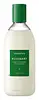 Key Ingredients
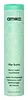
Benefits
Concerns
No concerns
Ingredients Side-by-side
Rosmarinus Officinalis Leaf Extract 99%
AntimicrobialPinus Densiflora Leaf Extract
Antimicrobial
Glycerin
Humectant


Caprylic/Capric Triglyceride
Masking
Cetyl Alcohol
Emollient

Behentrimonium Methosulfate

Stearyl Alcohol
Emollient
Betaine
Humectant
Bifida Ferment Lysate
Skin Conditioning
Lactobacillus Ferment Lysate
Skin Conditioning
Biotin
AntiseborrhoeicPanthenol
Skin Conditioning
Caffeine
Skin Conditioning
Chamaecyparis Obtusa Leaf Extract
Skin ConditioningRosa Rugosa Leaf Extract
HumectantTamarindus Indica Hydroxypropyltrimonium Chloride
Skin ConditioningRosmarinus Officinalis Leaf Extract 99%, Pinus Densiflora Leaf Extract, Glycerin, Caprylic/Capric Triglyceride, Cetyl Alcohol, Behentrimonium Methosulfate, Stearyl Alcohol, Betaine, Bifida Ferment Lysate, Lactobacillus Ferment Lysate, Biotin, Panthenol, Caffeine, Chamaecyparis Obtusa Leaf Extract, Rosa Rugosa Leaf Extract, Tamarindus Indica Hydroxypropyltrimonium Chloride
Water
Skin ConditioningMyristyl Alcohol
Emollient

Propylene Glycol
Humectant

Cetearyl Alcohol
Emollient
Cetrimonium Chloride
Antimicrobial
Hippophae Rhamnoides Fruit/Seed Oil
Antimicrobial
Borago Officinalis Seed Oil
Emollient
Mangifera Indica Seed Butter
Skin Conditioning
Butyrospermum Parkii Butter
Skin Conditioning
Hydroxypropyl Guar Hydroxypropyltrimonium Chloride
Aloe Barbadensis Leaf Juice
Skin Conditioning
Glycerin
Humectant
Hydrolyzed Quinoa
Skin ConditioningAminomethyl Propanol
BufferingBis-PCA Dimethicone

Butylene Glycol
Humectant
C11-15 Pareth-7
EmulsifyingC12-16 Pareth-9
EmulsifyingCaprylyl Glycol
Emollient
Decyl Oleate
Emollient
Disodium PEG-12 Dimethicone Sulfosuccinate
Cleansing
Trideceth-12
EmulsifyingTrimethylsiloxyamodimethicone
Citric Acid
Buffering

Etidronic Acid
Lauryl Alcohol
Emollient
Hydrogenated Palm Glycerides Citrate
Emollient
Phenoxyethanol
Preservative
Potassium Sorbate
Preservative
Sodium Benzoate
Masking
Cetyl Alcohol
Emollient
Benzyl Alcohol
Perfuming



Tocopherol
Antioxidant

Parfum
Masking
Benzyl Benzoate
Antimicrobial
Hydroxycitronellal
Perfuming
Limonene
Perfuming
Water, Myristyl Alcohol, Propylene Glycol, Cetearyl Alcohol, Cetrimonium Chloride, Hippophae Rhamnoides Fruit/Seed Oil, Borago Officinalis Seed Oil, Mangifera Indica Seed Butter, Butyrospermum Parkii Butter, Hydroxypropyl Guar Hydroxypropyltrimonium Chloride, Aloe Barbadensis Leaf Juice, Glycerin, Hydrolyzed Quinoa, Aminomethyl Propanol, Bis-PCA Dimethicone, Butylene Glycol, C11-15 Pareth-7, C12-16 Pareth-9, Caprylyl Glycol, Decyl Oleate, Disodium PEG-12 Dimethicone Sulfosuccinate, Trideceth-12, Trimethylsiloxyamodimethicone, Citric Acid, Etidronic Acid, Lauryl Alcohol, Hydrogenated Palm Glycerides Citrate, Phenoxyethanol, Potassium Sorbate, Sodium Benzoate, Cetyl Alcohol, Benzyl Alcohol, Tocopherol, Parfum, Benzyl Benzoate, Hydroxycitronellal, Limonene
Reviews
Ingredients Explained
These ingredients are found in both products.
Ingredients higher up in an ingredient list are typically present in a larger amount.
Cetyl Alcohol is a fatty alcohol. Fatty Alcohols are most often used as an emollient or to thicken a product.
Its main roles are:
Though it has "alcohol" in the name, it is not related to denatured alcohol or ethyl alcohol.
The FDA allows products labeled "alcohol-free" to have fatty alcohols.
Learn more about Cetyl AlcoholGlycerin (or glycerol) is a compound naturally found in your skin. It's a powerhouse humectant that pulls water into the stratum corneum.
Topically, glycerin does several things at once:
Your skin makes glycerin on its own (mostly from sebaceous oil breakdown) and shuttles it to your outermost layer of skin, or your epidermis, via aquaporin-3.
Aquaporin-3 is a transporter that is essential for normal skin hydration, elasticity, and repair. Interestingly, mice lacking in AQP3 have dry and less elastic skin that can be fully corrected with glycerin.
This ingredient is non-irritating, plays well with almost every ingredient, and works across all skin types. Typical use is anywhere between 3-10% but can go up to 79% in some leave-on products.
Just know very high concentrations (>40%) can feel tacky in low humidity.
Glycerin is the name for this ingredient in American English. British English uses Glycerol/Glycerine.
Learn more about Glycerin
