

What's inside
What's inside
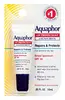 Key Ingredients
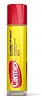
Benefits
Concerns
Ingredients Side-by-side
Petrolatum 31%
Emollient


Butyl Methoxydibenzoylmethane 3%
UV Absorber
Ethylhexyl Methoxycinnamate 6.75%
UV Absorber

Ethylhexyl Salicylate 4.5%
UV Absorber
Octocrylene 2%
UV Absorber
Benzophenone-3 5.4%
UV Absorber
C18-38 Alkyl Hydroxystearoyl Stearate
EmollientOctyldodecanol
Emollient
Glycerin
Humectant

Ricinus Communis Seed Oil
Masking

Caprylic/Capric Triglyceride
Masking
Panthenol
Skin Conditioning

Water
Skin ConditioningPolyglyceryl-3 Diisostearate
Emulsifying
Butyrospermum Parkii Butter
Skin Conditioning
Tocopheryl Acetate
Antioxidant


Hydrogenated Castor Oil
Emollient
Beeswax
Emulsion Stabilising
C20-40 Alkyl Stearate
Skin ConditioningMagnesium Sulfate
Magnesium Stearate
Cosmetic ColorantBHT
Antioxidant
Petrolatum 31%, Butyl Methoxydibenzoylmethane 3%, Ethylhexyl Methoxycinnamate 6.75%, Ethylhexyl Salicylate 4.5%, Octocrylene 2%, Benzophenone-3 5.4%, C18-38 Alkyl Hydroxystearoyl Stearate, Octyldodecanol, Glycerin, Ricinus Communis Seed Oil, Caprylic/Capric Triglyceride, Panthenol, Water, Polyglyceryl-3 Diisostearate, Butyrospermum Parkii Butter, Tocopheryl Acetate, Hydrogenated Castor Oil, Beeswax, C20-40 Alkyl Stearate, Magnesium Sulfate, Magnesium Stearate, BHT










Reviews
Ingredients Explained
These ingredients are found in both products.
Ingredients higher up in an ingredient list are typically present in a larger amount.
Beeswax is natural wax produced by honey bees to build their honeycomb.
Because it forms a protective layer on your skin, it can help lock in moisture and reduce water loss. It is also widely used as a thickener and emulsifier in lip balms and lotions. Research suggests beeswax containing moisturizers can support skin barrier integrity.
In comedogenic testing, Beeswax scored a 0-2, which is on the low end. Whether or not a product clogs your pores really comes down to the formula as a whole (not any single ingredient on its own).
Cera Alba is the white, bleached form of this ingredient.
Just so you know, beeswax is not vegan since it is animal-derived. It cannot be removed with water, but can be taken off with an oil cleanser.
People with a known Propolis allergy also report to have reactions from beeswax.
Learn more about BeeswaxYou probably know this ingredient as Oxybenzone, a sunscreen ingredient. It is a broad-spectrum sunscreen ingredient, meaning it can protect the skin against UVB and short UVA rays. The absorption range is 270-350 nm with peak absorption at 288 and 350 nm.
This chemical ingredient protects your skin by using chemical reactions to convert UV rays into heat and energy. UV absorbers may absorb both UVA and UVB rays. It is often combined with other sunscreen ingredients to help with stability.
Ongoing research is looking into whether oxybenzone causes skin irritation and sensitivity. However, it has been shown to trigger contact dermatitis in some studies.
Oxybenzone is allowed in certain concentrations by many countries. It is allowed up to 6% in the US, and Canada, 5% in Japan, and 10% in Australia. Other countries and regions of the US have banned this ingredient to protect coral reefs and marine ecosystems. These places include Hawaii, Key West, US Virgin Islands, marine parks in Thailand, Aruba, and Palau.
The EU currently allows the following maximum concentrations:
Studies show conflicting results about oxybenzone being absorbed into the human body. The Swedish Research Institute has advised careful use of this ingredient by pregnant women and children. We always recommend speaking with a professional if you have concerns about this ingredient and your health.
Learn more about Benzophenone-3Ethylhexyl Methoxycinnamate is an organic compound that provides UVB protection. It often goes by the more common name of octinoxate. It is created from methoxycinnamic acid and 2-ethylhexanol.
Ethylhexyl Methoxycinnamate absorbs UVB rays with wavelengths between 280-320 nm. UV absorbers protect your skin by using chemical reactions to convert UV rays into heat and energy.
UVB (290-320 nm) rays emit more energy than UVA rays. They are capable of damaging DNA, causing sunburns and are thought to be linked to skin cancer.
The state of Hawaii has banned sunscreens containing octinoxate due to its potential impact on coral reefs. More research is needed to bridge gaps in this research. The European Union allows higher levels of octinoxate in sunscreens than the US and Australia.
Ethylhexyl Methoxycinnamate is oil soluble. It is not stable and may lose efficacy when exposed to sunlight.
Learn more about Ethylhexyl MethoxycinnamatePetrolatum is more commonly known as petroleum jelly. It is created by mixing waxes and mineral oils.
This ingredient is effective at reducing water loss by 99%. This is because it is an occlusive. Occlusives create a hydrophobic barrier on the skin to prevent evaporation. This property makes it great for hydrating dry skin.
Pro tip: Use occlusives, such as this ingredient, on damp skin for the best results.
The quality or origin of petrolatum is only known when disclosed by the brand. Most cosmetic petrolatum has gone through several purification stages.
Another benefit of occlusives is it protects your skin against infection or allergies.
Petrolatum is fungal acne safe. It is a hydrocarbon with no fatty acid structure, so Malassezia cannot metabolize it. In-vitro studies support negligible growth stimulation as well.
It's also worth noting that petrolatum has a comedogenic rating of 0. In updated rabbit ear testing (and in human testing), petrolatum was found to be not comedogenic. This means it didn’t promote comedone formation in standard models.
Learn more about Petrolatum
