Anua Rice Enzyme Brightening Cleansing Powder Versus Eminence Organics Stone Crop Oxygenating Fizzofoliant
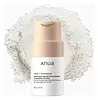
This tartaric acid powder cleanser is formulated around Tartaric Acid to exfoliate and smooth skin.
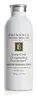
This smoothing exfoliator is formulated around Malic Acid and Ascorbic Acid to refine skin texture and brighten dull-looking skin.


What's inside
What's inside
 Key Ingredients
Benefits
Concerns
Ingredients Side-by-side
Zea Mays Starch
Absorbent
CI 77004
Cosmetic ColorantSodium Bicarbonate
Abrasive
Sodium Cocoyl Isethionate
Cleansing
Sodium Lauroyl Glutamate
SurfactantCitric Acid
Buffering


Sodium Polyacrylate
Absorbent
Diglycerin
Humectant
Allantoin
Skin Conditioning



Water
Skin ConditioningMaltodextrin
Absorbent
Papain
Skin Conditioning
Oryza Sativa Powder
Oryza Sativa Lees Extract
Skin ConditioningOryza Sativa Bran Water
Masking
Butylene Glycol
Humectant
1,2-Hexanediol
Skin Conditioning
Ceramide NP
Skin Conditioning

Ascorbic Acid
Antioxidant


Alpha-Arbutin
Antioxidant
Glucose
Humectant
Oryza Sativa Extract
Absorbent
Protease
Exfoliating
Dipropylene Glycol
HumectantGlycerin
Humectant
Tartaric Acid
Buffering
Lactic Acid
Buffering

Oryza Sativa Seed Protein
Antioxidant
Hydrolyzed Rice Protein
Skin ConditioningCaprylyl Glycol
Emollient
Zea Mays Starch, CI 77004, Sodium Bicarbonate, Sodium Cocoyl Isethionate, Sodium Lauroyl Glutamate, Citric Acid, Sodium Polyacrylate, Diglycerin, Allantoin, Water, Maltodextrin, Papain, Oryza Sativa Powder, Oryza Sativa Lees Extract, Oryza Sativa Bran Water, Butylene Glycol, 1,2-Hexanediol, Ceramide NP, Ascorbic Acid, Alpha-Arbutin, Glucose, Oryza Sativa Extract, Protease, Dipropylene Glycol, Glycerin, Tartaric Acid, Lactic Acid, Oryza Sativa Seed Protein, Hydrolyzed Rice Protein, Caprylyl Glycol
Oryza Sativa Starch
AbsorbentSodium Bicarbonate
Abrasive
Citric Acid
Buffering
Phaseolus Angularis Seed Powder
Sodium Cocoyl Isethionate
Cleansing
Spinacia Oleracea Leaf Powder
Skin ConditioningHelianthus Annuus Seed Oil
Emollient

Cicer Arietinum Seed Powder
Abrasive
CI 77231
Cosmetic ColorantDiatomaceous Earth
Abrasive
Malic Acid
Buffering
Peat Water
Skin ConditioningAscorbic Acid
Antioxidant
Sempervivum Tectorum Extract
Skin ConditioningTocopheryl Acetate
Antioxidant
Carica Papaya Fruit
Skin ConditioningBrassica Oleracea Italica Sprout Extract
EmollientRaphanus Sativus Seed Extract
Skin ConditioningTrifolium Pratense Extract
Skin ConditioningCurcuma Longa Root Powder
Skin ConditioningSchisandra Chinensis Fruit Powder
Skin ConditioningSilybum Marianum Seed Oil
Skin Conditioning
Lepidium Sativum Sprout Extract
Skin ConditioningLecithin
Emollient
Glycerin
Humectant
Aloe Barbadensis Leaf Juice
Skin Conditioning
Water
Skin ConditioningParfum
Masking
Euterpe Oleracea Fruit Extract
Citrus Limon Juice
Skin Conditioning
Malpighia Glabra Fruit
Skin ConditioningEmblica Officinalis Fruit Powder
Adansonia Digitata Fruit Extract
EmollientMyrciaria Dubia Fruit Extract
Skin ConditioningDaucus Carota Sativa Root Powder
Skin ConditioningCocos Nucifera Water
Masking
Hydrolyzed Lycium Barbarum Fruit
Skin ConditioningMaltodextrin
Absorbent
Oryza Sativa Starch, Sodium Bicarbonate, Citric Acid, Phaseolus Angularis Seed Powder, Sodium Cocoyl Isethionate, Spinacia Oleracea Leaf Powder, Helianthus Annuus Seed Oil, Cicer Arietinum Seed Powder, CI 77231, Diatomaceous Earth, Malic Acid, Peat Water, Ascorbic Acid, Sempervivum Tectorum Extract, Tocopheryl Acetate, Carica Papaya Fruit, Brassica Oleracea Italica Sprout Extract, Raphanus Sativus Seed Extract, Trifolium Pratense Extract, Curcuma Longa Root Powder, Schisandra Chinensis Fruit Powder, Silybum Marianum Seed Oil, Lepidium Sativum Sprout Extract, Lecithin, Glycerin, Aloe Barbadensis Leaf Juice, Water, Parfum, Euterpe Oleracea Fruit Extract, Citrus Limon Juice, Malpighia Glabra Fruit, Emblica Officinalis Fruit Powder, Adansonia Digitata Fruit Extract, Myrciaria Dubia Fruit Extract, Daucus Carota Sativa Root Powder, Cocos Nucifera Water, Hydrolyzed Lycium Barbarum Fruit, Maltodextrin
Reviews
Ingredients Explained
These ingredients are found in both products.
Ingredients higher up in an ingredient list are typically present in a larger amount.
Ascorbic Acid is is pure Vitamin C and is the biologically active form used directly by skin.
Not only is vitamin C great for your overall health and immune system, but it also has plenty of benefits for your skin. It is best supported by academic literature for:
Topical vitamin C has been shown to help neutralize oxidative stress from UV and pollution, helping to improve photoaging and hyperpigmentation when used consistently.
One clinical study found that using 5% topical vitamin C for six months improved signs of photodamaged skin, both on the surface and in the deeper structural layers of the skin.
While vitamin C doesn’t replace sunscreen, studies show it can boost photoprotection when combined with Vitamin E and ferulic acid. These two ingredients help improve stability and protective effects.
The big downside of this ingredient is formulation difficulty. Vitamin C is prone to oxidation and doesn't penetrate the skin unless formulated correctly. Research found that vitamin C absorbs into the skin best at a low pH (< 3.5) with about 20% being the upper limit for effective absorption.
Skin levels can saturate after repeated application; this means your skin won’t keep absorbing more once it’s full of vitamin C. This is why more isn’t always better with vitamin C and why very high concentrations don’t necessarily give extra benefits.
Ascorbic acid generally works well with many skincare ingredients but can be irritating when combined with other active ingredients. Strong oxidizing acne treatments like benzoyl peroxide can reduce the effectiveness of vitamin C if they are used at the same time; they are often recommended for use at different times of day.
Read more about other types of Vitamin C:
Foods rich with vitamin C include oranges, strawberries, broccoli, bell peppers, and more. When consuming Vitamin C, your skin receives a portion of the nutrients.
Learn more about Ascorbic AcidCitric Acid is an alpha hydroxy acid (AHA) naturally found in citrus fruits like oranges, lemons, and limes.
Like other AHAs, citric acid can exfoliate skin by breaking down the bonds that hold dead skin cells together. This helps reveal smoother and brighter skin underneath.
However, this exfoliating effect only happens at high concentrations (20%) which can be hard to find in cosmetic products.
Due to this, citric acid is usually included in small amounts as a pH adjuster. This helps keep products slightly more acidic and compatible with skin's natural pH.
In skincare formulas, citric acid can:
While it can provide some skin benefits, research shows lactic acid and glycolic acid are generally more effective and less irritating exfoliants.
Most citric acid used in skincare today is made by fermenting sugars (usually from molasses). This synthetic version is identical to the natural citrus form but easier to stabilize and use in formulations.
Rosacea skin has a lower threshold for acids generally, with 62.5% of rosacea subjects in one study reacting to lactic acid in a sting test. This is why we mark citric acid as a potential rosacea trigger.
However, this ingredient shows up as a pH adjuster or chelator at roughly 0.1-1% in many products. These low levels are unlikely to be an issue for rosacea skin and becomes a potential trigger at exfoliating concentrations (20%). Because everybody's skin is unique, we recommend a patch test if you are unsure.
Learn more about Citric AcidGlycerin (or glycerol) is a compound naturally found in your skin. It's a powerhouse humectant that pulls water into the stratum corneum.
Topically, glycerin does several things at once:
Your skin makes glycerin on its own (mostly from sebaceous oil breakdown) and shuttles it to your outermost layer of skin, or your epidermis, via aquaporin-3.
Aquaporin-3 is a transporter that is essential for normal skin hydration, elasticity, and repair. Interestingly, mice lacking in AQP3 have dry and less elastic skin that can be fully corrected with glycerin.
This ingredient is non-irritating, plays well with almost every ingredient, and works across all skin types. Typical use is anywhere between 3-10% but can go up to 79% in some leave-on products.
Just know very high concentrations (>40%) can feel tacky in low humidity.
Glycerin is the name for this ingredient in American English. British English uses Glycerol/Glycerine.
Learn more about GlycerinMaltodextrin is a plant-derived carbohydrate made by breaking down starch (usually from corn, potato, or rice). In cosmetic formulas, it's a multitasking absorbent, emulsion stabilizer, and skin conditioner.
This ingredient is mostly used to stabilize emulsions and improve the powdery, non-greasy feel of products (like dry shampoos).
Safety-wise, this ingredient is pretty solid; it's even recognized as a food additive. Both animal and clinical studies found no adverse effects at the levels used in cosmetics.
Industry data shows this ingredient is used up to 45.7% in spray products and up to 33% in powder products.
Learn more about MaltodextrinSodium Bicarbonate has a more famous name: Baking soda.
In cosmetics, it is used to adjust the acidity. Due to its white crystalline solid form, it can also be an abrasive (exfoliator).
This ingredient is water-soluble.
Learn more about Sodium BicarbonateSodium cocoyl isethionate is a natural ingredient from coconut oil. It is an ultra gentle cleanser that gives a nice foam without drying the skin or impacting the skin barrier.
The amount of foam created depends on the amount of sodium cocoyl isethionate used in the product.
This ingredient also helps improve the spreadability of a product.
This ingredient hasn’t been shown in studies to feed fungal acne yeast.
Learn more about Sodium Cocoyl IsethionateWater. It's the most common cosmetic ingredient of all. You'll usually see it at the top of ingredient lists, meaning that it makes up the largest part of the product.
So why is it so popular? Water most often acts as a solvent - this means that it helps dissolve other ingredients into the formulation.
You'll also recognize water as that liquid we all need to stay alive. If you see this, drink a glass of water. Remember to stay hydrated!
Learn more about Water

