

What's inside
What's inside
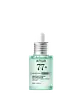 Key Ingredients
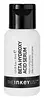
Benefits
Concerns
Ingredients Side-by-side
Houttuynia Cordata Flower/Leaf/Stem Water 77%
Antimicrobial
Niacinamide 5%
Smoothing











1,2-Hexanediol
Skin Conditioning
Panthenol
Skin Conditioning
Glycerin
Humectant
Dipropylene Glycol
HumectantButylene Glycol
Humectant
Sodium Citrate
BufferingZinc PCA 1%
Humectant
Propanediol
Solvent
Trehalose
Humectant
Water
Skin ConditioningBetaine
Humectant
Xanthan Gum
EmulsifyingSphingomonas Ferment Extract
Skin Conditioning
Ethylhexylglycerin
Skin ConditioningCitric Acid
Buffering

Hydroxypropyl Cyclodextrin
MaskingAdenosine
Skin Conditioning
Disodium EDTA
Dipotassium Glycyrrhizate
Humectant
Glyceryl Acrylate/Acrylic Acid Copolymer
HumectantGluconolactone
Skin Conditioning
Docosahexaenoic Acid
Skin Conditioning
Tocopherol
Antioxidant
Allantoin
Skin Conditioning
Pyridoxine Hcl
Skin ConditioningCapryloyl Salicylic Acid
Exfoliating
Houttuynia Cordata Water
MaskingIsoquercitrin
Antioxidant
Quercetin
Antioxidant
Houttuynia Cordata Flower/Leaf/Stem Water 77%, Niacinamide 5%, 1,2-Hexanediol, Panthenol, Glycerin, Dipropylene Glycol, Butylene Glycol, Sodium Citrate, Zinc PCA 1%, Propanediol, Trehalose, Water, Betaine, Xanthan Gum, Sphingomonas Ferment Extract, Ethylhexylglycerin, Citric Acid, Hydroxypropyl Cyclodextrin, Adenosine, Disodium EDTA, Dipotassium Glycyrrhizate, Glyceryl Acrylate/Acrylic Acid Copolymer, Gluconolactone, Docosahexaenoic Acid, Tocopherol, Allantoin, Pyridoxine Hcl, Capryloyl Salicylic Acid, Houttuynia Cordata Water, Isoquercitrin, Quercetin





Reviews
Ingredients Explained
These ingredients are found in both products.
Ingredients higher up in an ingredient list are typically present in a larger amount.
Betaine is a humectant. Like hyaluronic acid, it helps attract and retain moisture in the skin. It’s known for being gentle and for helping the skin maintain balanced hydration.
Betaine is mainly used to improve hydration and support calmer skin. It helps skin cells regulate water balance because it functions as an osmolyte.
Some studies suggest betaine may support making skin tone more even.
Fun fact: Betaine naturally exists in the skin and the body. In cosmetic products, it can be either plant-derived (most commonly from sugar beets) or synthetically produced for consistency and stability.
Betaine is also known as trimethylglycine.
Learn more about BetaineEthylhexylglycerin is created from glycerin. It is a multitasker ingredient that:
The CIR Expert Panel found minimal skin absorption or sensitization of any kind in a safety assessment. Though this ingredient is considered well-tolerated, a small number of cases of allergic dermatitis have been published since 2002. Just be sure to patch test if you are unsure.
Industry-reported use ranges from 8% in rinse-off products and 2% in leave-on formulations.
Learn more about EthylhexylglycerinPropanediol is an all-star ingredient. It softens, hydrates, and smooths the skin.
It’s often used to:
Propanediol is not likely to cause sensitivity and considered safe to use. It is derived from corn or petroleum with a clear color and no scent.
Learn more about PropanediolWater. It's the most common cosmetic ingredient of all. You'll usually see it at the top of ingredient lists, meaning that it makes up the largest part of the product.
So why is it so popular? Water most often acts as a solvent - this means that it helps dissolve other ingredients into the formulation.
You'll also recognize water as that liquid we all need to stay alive. If you see this, drink a glass of water. Remember to stay hydrated!
Learn more about WaterZinc PCA (or "zinc salt") differs slightly from zinc itself. PCA stands for pyrrolidone carboxylic acid. However, Zinc PCA comes from zinc.
It can help reduce redness, regulate sebum, and promote the general healing process of the skin.
Zinc PCA tends to be especially useful for those with oily, acne-prone skin. It's certainly an ingredient worth trying out!
Learn more about Zinc PCA
