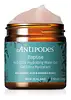
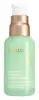
ANTIPODES Baptise H2O Ultra-Hydrating Water Gel Versus Biossance Squalane + Probiotic Gel Moisturizer
This moisturizer is formulated around Hyaluronic Acid to hydrate skin.
This barrier-repair moisturizer is formulated around Squalane to strengthen the skin barrier and hydrate skin.

What's inside
What's inside
 Key Ingredients
Benefits
Concerns
Ingredients Side-by-side
Water
Skin ConditioningGlycerin
Humectant


Sodium Acrylates Copolymer
Dehydroacetic Acid
Preservative
Benzyl Alcohol
Perfuming





Glyceryl Caprylate
EmollientPolysorbate 20
Emulsifying

Hyaluronic Acid
Humectant

Terminalia Ferdinandiana Fruit Extract
Antioxidant
Sodium Citrate
BufferingSclerotium Gum
Emulsion StabilisingPhormium Tenax Extract
Skin ConditioningHibiscus Sabdariffa Flower Extract
Skin ConditioningLeptospermum Scoparium Branch/Leaf Oil
Tonic
Cyathea Medullaris Leaf Extract
Skin ConditioningZingiber Officinale Root Extract
Masking
Aloe Barbadensis Leaf Extract
Emollient
Mica
Cosmetic ColorantTitanium Dioxide
Cosmetic Colorant

Citral
Perfuming
Citronellol
Perfuming
Eugenol
Perfuming
Geraniol
Perfuming
Linalool
Perfuming
Water, Glycerin, Sodium Acrylates Copolymer, Dehydroacetic Acid, Benzyl Alcohol, Glyceryl Caprylate, Polysorbate 20, Hyaluronic Acid, Terminalia Ferdinandiana Fruit Extract, Sodium Citrate, Sclerotium Gum, Phormium Tenax Extract, Hibiscus Sabdariffa Flower Extract, Leptospermum Scoparium Branch/Leaf Oil, Cyathea Medullaris Leaf Extract, Zingiber Officinale Root Extract, Aloe Barbadensis Leaf Extract, Mica, Titanium Dioxide, Citral, Citronellol, Eugenol, Geraniol, Linalool
Water
Skin ConditioningGlycerin
Humectant
Squalane
Emollient
Lepidium Sativum Sprout Extract
Skin ConditioningSodium Acrylates Copolymer
Caprylic/Capric Triglyceride
Masking
Phenoxyethanol
Preservative
Capryloyl Glycerin/Sebacic Acid Copolymer
Skin ConditioningLecithin
Emollient
Caprylyl Glycol
Emollient
Diheptyl Succinate
EmollientIsoeicosane
EmollientAllantoin
Skin Conditioning
Bisabolol
Antioxidant
Sodium Phytate
Glycine Soja Sterols
Emollient
Linoleic Acid
Cleansing
Phospholipids
Skin Conditioning
Hansenula/Kloeckera/Lactobacillus/Lactococcus/Leuconostoc/Pediococcus/Saccharomyces/Fig/Lemon Ferment
Skin Conditioning
Chondrus Crispus Extract
Skin Conditioning
Sorbitan Oleate
Emulsifying
Cellulose Gum
Emulsion StabilisingChitosan
1,2-Hexanediol
Skin Conditioning
Sodium Hyaluronate
Humectant
Citric Acid
Buffering

Potassium Sorbate
Preservative
Water, Glycerin, Squalane, Lepidium Sativum Sprout Extract, Sodium Acrylates Copolymer, Caprylic/Capric Triglyceride, Phenoxyethanol, Capryloyl Glycerin/Sebacic Acid Copolymer, Lecithin, Caprylyl Glycol, Diheptyl Succinate, Isoeicosane, Allantoin, Bisabolol, Sodium Phytate, Glycine Soja Sterols, Linoleic Acid, Phospholipids, Hansenula/Kloeckera/Lactobacillus/Lactococcus/Leuconostoc/Pediococcus/Saccharomyces/Fig/Lemon Ferment, Chondrus Crispus Extract, Sorbitan Oleate, Cellulose Gum, Chitosan, 1,2-Hexanediol, Sodium Hyaluronate, Citric Acid, Potassium Sorbate
Reviews
Ingredients Explained
These ingredients are found in both products.
Ingredients higher up in an ingredient list are typically present in a larger amount.
Glycerin (or glycerol) is a compound naturally found in your skin. It's a powerhouse humectant that pulls water into the stratum corneum.
Topically, glycerin does several things at once:
Your skin makes glycerin on its own (mostly from sebaceous oil breakdown) and shuttles it to your outermost layer of skin, or your epidermis, via aquaporin-3.
Aquaporin-3 is a transporter that is essential for normal skin hydration, elasticity, and repair. Interestingly, mice lacking in AQP3 have dry and less elastic skin that can be fully corrected with glycerin.
This ingredient is non-irritating, plays well with almost every ingredient, and works across all skin types. Typical use is anywhere between 3-10% but can go up to 79% in some leave-on products.
Just know very high concentrations (>40%) can feel tacky in low humidity.
Glycerin is the name for this ingredient in American English. British English uses Glycerol/Glycerine.
Learn more about GlycerinThis ingredient is a synthetic, salt form polymer built from acrylic acid, ethacrylic acid, or their simple esters. It works as a binder, film former, and viscosity increasing agent.
Typical concentrations start at around 0.5% but can go up to 25% for film-forming or binding.
The CIR Expert Panel assessed the safety of 126 acrylates copolymers and concluded they are safe in cosmetics at current use levels when formulated to be non-irritating. They also noted the levels present in finished cosmetic products are not considered a safety risk and Genotoxicity testing (Ames tests, chromosomal aberration assays) has come back negative across the board.
Though the raw building blocks (like acrylic acid) can be irritating on their own, cosmetic-grade versions go through purification to keep levels extremely low.
Sodium Acrylates Copolymer is a large molecule that doesn't penetrate skin barrier in any meaningful way.
Learn more about Sodium Acrylates CopolymerWater. It's the most common cosmetic ingredient of all. You'll usually see it at the top of ingredient lists, meaning that it makes up the largest part of the product.
So why is it so popular? Water most often acts as a solvent - this means that it helps dissolve other ingredients into the formulation.
You'll also recognize water as that liquid we all need to stay alive. If you see this, drink a glass of water. Remember to stay hydrated!
Learn more about Water

