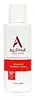
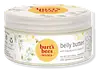
Alpha Skin Care Essential Renewal Lotion 10% Glycolic Alpha Hydroxy Acid (AHA) Versus Burt's Bees Mama Bee Belly Butter
This smoothing treatment is formulated around Glycolic Acid to refine skin texture and soften the look of wrinkles.

What's inside
What's inside
 Key Ingredients
Benefits
Concerns
Ingredients Side-by-side
Water
Skin ConditioningGlycolic Acid
Buffering











Ammonium Hydroxide
BufferingGlyceryl Stearate
Emollient
PEG-100 Stearate
Surfactant
Propylene Glycol
Humectant

PEG-40 Stearate
Emulsifying
Sorbitan Stearate
Emulsifying
Cetyl Alcohol
Emollient

Isopropyl Palmitate
Emollient

Tocopheryl Acetate
Antioxidant

Petrolatum
Emollient
Dimethicone
Emollient
Myristyl Myristate
Emollient
Stearic Acid
Cleansing
Magnesium Aluminum Silicate
Absorbent
Cellulose Gum
Emulsion StabilisingSorbic Acid
Preservative
BHT
Antioxidant
Imidazolidinyl Urea
Preservative
Water, Glycolic Acid, Ammonium Hydroxide, Glyceryl Stearate, PEG-100 Stearate, Propylene Glycol, PEG-40 Stearate, Sorbitan Stearate, Cetyl Alcohol, Isopropyl Palmitate, Tocopheryl Acetate, Petrolatum, Dimethicone, Myristyl Myristate, Stearic Acid, Magnesium Aluminum Silicate, Cellulose Gum, Sorbic Acid, BHT, Imidazolidinyl Urea
Water
Skin ConditioningHelianthus Annuus Seed Oil
Emollient
Glycerin
Humectant
Cocos Nucifera Oil
Masking
Cetyl Alcohol
Emollient
Prunus Amygdalus Dulcis Oil
Skin Conditioning
Sucrose Stearate
EmollientButyrospermum Parkii Butter
Skin Conditioning
Glycine Soja Oil
Emollient
Simmondsia Chinensis Butter
Skin Conditioning
Theobroma Cacao Seed Butter
Emollient
Tocopherol
Antioxidant
Xanthan Gum
EmulsifyingLactic Acid
Buffering
Magnesium Aluminum Silicate
Absorbent
Glyceryl Laurate
Emollient
Sodium Stearoyl Lactylate
EmulsifyingSucrose Polystearate
EmollientPhenoxyethanol
Preservative
Water, Helianthus Annuus Seed Oil, Glycerin, Cocos Nucifera Oil, Cetyl Alcohol, Prunus Amygdalus Dulcis Oil, Sucrose Stearate, Butyrospermum Parkii Butter, Glycine Soja Oil, Simmondsia Chinensis Butter, Theobroma Cacao Seed Butter, Tocopherol, Xanthan Gum, Lactic Acid, Magnesium Aluminum Silicate, Glyceryl Laurate, Sodium Stearoyl Lactylate, Sucrose Polystearate, Phenoxyethanol
Ingredients Explained
These ingredients are found in both products.
Ingredients higher up in an ingredient list are typically present in a larger amount.
Cetyl Alcohol is a fatty alcohol. Fatty Alcohols are most often used as an emollient or to thicken a product.
Its main roles are:
Though it has "alcohol" in the name, it is not related to denatured alcohol or ethyl alcohol.
The FDA allows products labeled "alcohol-free" to have fatty alcohols.
This ingredient may not be fungal acne safe. It is a primary fatty alcohol with a chain length above 12 carbons. A study from 2019 show Malassezia can feed on fatty alcohols in this range, so it may trigger fungal acne in those prone to it.
Learn more about Cetyl AlcoholMagnesium Aluminum Silicate is a type of silica. It comes from naturally occuring minerals such as silicate ores and clay.
Magnesium aluminum silicate is used for enhancing texture and as an absorbent. Due to its large molecular size, it is unable to be absorbed into the skin.
Like other types of silica, this ingredient can be used to thicken a product. As an absorbent, it may be used to absorb extra water or help prevent clumping.
Although “aluminum” in an ingredient name can raise red flags for some consumers, the form and usage context matter significantly. For typical topical applications, there is no substantial evidence of health risks - such as cancer, neurotoxicity, or systemic “aluminum overload.”
Learn more about Magnesium Aluminum SilicateWater. It's the most common cosmetic ingredient of all. You'll usually see it at the top of ingredient lists, meaning that it makes up the largest part of the product.
So why is it so popular? Water most often acts as a solvent - this means that it helps dissolve other ingredients into the formulation.
You'll also recognize water as that liquid we all need to stay alive. If you see this, drink a glass of water. Remember to stay hydrated!
Learn more about Water

