
What's inside
What's inside
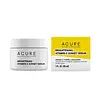 Key Ingredients
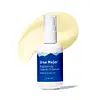
Benefits
Concerns
Ingredients Side-by-side
Helianthus Annuus Seed Oil
Emollient


Butyrospermum Parkii Butter
Skin Conditioning

Helianthus Annuus Seed Cera
EmollientVitis Vinifera Seed Oil
Emollient
Haematococcus Pluvialis Extract
Antioxidant
Tetrahexyldecyl Ascorbate
Antioxidant




Ubiquinone
Antioxidant

Citrus Aurantium Dulcis Peel Oil
Masking
Geranium Maculatum Oil
Masking
Citrus Aurantium Amara Peel Oil
Skin Conditioning
Ascorbic Acid
Antioxidant
Aniba Rosodora Wood Oil
Astringent
Jasminum Officinale Oil
Masking

Citrus Nobilis Peel Oil
Masking
Helianthus Annuus Seed Oil, Butyrospermum Parkii Butter, Helianthus Annuus Seed Cera, Vitis Vinifera Seed Oil, Haematococcus Pluvialis Extract, Tetrahexyldecyl Ascorbate, Ubiquinone, Citrus Aurantium Dulcis Peel Oil, Geranium Maculatum Oil, Citrus Aurantium Amara Peel Oil, Ascorbic Acid, Aniba Rosodora Wood Oil, Jasminum Officinale Oil, Citrus Nobilis Peel Oil
Aloe Barbadensis Leaf Juice
Skin Conditioning
Helianthus Annuus Seed Oil
Emollient
Glycerin
Humectant
Coco-Glucoside
CleansingCoconut Alcohol
EmollientPopulus Tremuloides Bark Extract
AntiseborrhoeicAscorbic Acid
Antioxidant
Rosa Canina Seed Extract
EmollientButyrospermum Parkii Butter
Skin Conditioning
Leontopodium Alpinum Meristem Cell Culture
Skin ConditioningHydrogenated Lecithin
Emulsifying
Glyceryl Caprylate
EmollientSclerotium Gum
Emulsion StabilisingRosa Damascena Flower Oil
Masking
Citrus Sinensis Peel Oil Expressed
Perfuming
Rosmarinus Officinalis Leaf Extract
AntimicrobialBisabolol
Masking
Sodium Anisate
AntimicrobialLactic Acid
Buffering



Xanthan Gum
EmulsifyingAloe Barbadensis Leaf Juice, Helianthus Annuus Seed Oil, Glycerin, Coco-Glucoside, Coconut Alcohol, Populus Tremuloides Bark Extract, Ascorbic Acid, Rosa Canina Seed Extract, Butyrospermum Parkii Butter, Leontopodium Alpinum Meristem Cell Culture, Hydrogenated Lecithin, Glyceryl Caprylate, Sclerotium Gum, Rosa Damascena Flower Oil, Citrus Sinensis Peel Oil Expressed, Rosmarinus Officinalis Leaf Extract, Bisabolol, Sodium Anisate, Lactic Acid, Xanthan Gum
Alternatives
Ingredients Explained
These ingredients are found in both products.
Ingredients higher up in an ingredient list are typically present in a larger amount.
Ascorbic Acid is is pure Vitamin C. This form makes up the largest amount of vitamin C found naturally in our skin.
Not only is vitamin C great for your overall health and immune system, it also has plenty of benefits on your skin.
Vitamin C is best used for brightening skin. It improves dark spots, acne scars, and hyperpigmentation. This is because it blocks the process of skin darkening when exposed to UV.
Remember: Vitamin C should not replace sunscreen!
Your skin uses vitamin C to build collagen. Collagen is one key component in having a strong skin barrier and plump skin. Vitamin C also plays a role in regulating collagen, thus making it effective in improving wrinkles and fine lines.
Ascorbic acid shows potent antioxidant activity. As an antioxidant, it helps fight free-radicals. Free-radicals are molecules that may damage your skin cells. These antioxidants also protect skin against UV damage.
The best formulations include Vitamin E and/or ferulic acid. These two ingredients help stabilize and provide a boost in the benefits of ascorbic acid. This is because ascorbic acid becomes unstable when exposed to UV and air. In fact, you can tell your ascorbic acid has oxidized when it turns an orange-yellow color.
Ascorbic acid is generally compatible with other ingredients. However, using ascorbic acid with other active ingredients might cause irritation. Two ingredients: copper ions and benzoyl peroxide, will inactivate ascorbic acid completely.
Read more about other types of Vitamin C:
Foods rich with vitamin C include oranges, strawberries, broccoli, bell peppers, and more. When consuming Vitamin C, your skin receives a portion of the nutrients.
Learn more about Ascorbic AcidThis ingredient is also known as shea butter. It is an effective skin hydrator and emollient.
Emollients help soothe and soften your skin. It does this by creating a protective film on your skin. This barrier helps trap moisture and keeps your skin hydrated. Emollients may be effective at treating dry or itchy skin.
Shea butter is rich in antioxidants. Antioxidants help fight free-radicals, or molecules that may harm the body. It is also full of fatty acids including stearic acid and linoleic acid. These acids help replenish the skin and keep skin moisturized.
While Shea Butter has an SPF rating of about 3-4, it is not a sunscreen replacement.
Shea butter may not be fungal acne safe. We recommend speaking with a professional if you have any concerns.
Learn more about Butyrospermum Parkii ButterHelianthus Annuus Seed Oil is the oil derived from the seeds of a Sunflower. Sunflower seed oil is non-fragrant. It is an emollient, meaning it helps to soften the skin.
Sunflower seed oil contains many fatty acids. The fatty acids found in sunflower seeds include (from highest amount to least): linoleic acid, myristic acid, palmitic acid, stearic acid, arachidic acid, oleic acid, and linolenic acid.
These fatty acids help the skin create ceramides. Ceramides play a role in repairing the skin barrier.
Helianthus Annuus Seed Oil helps moisturize the skin. This in turn helps the skin look more rejuvenated and smoother.
Sunflowers are rich in vitamin E.
Historians believe Indigenous cultures of North America domesticated sunflowers before corn. Thus they relied on sunflower oil for a variety of uses. One such use is moisturizing skin and hair.
Sunflower seed oil may not be fungal acne safe. We recommend speaking with a professional if you have any concerns.
Learn more about Helianthus Annuus Seed Oil
