Ziaja Vitamin C.B3 Niacinamide Skin Renewal Face Cleansing Gel Versus maru.derm Gentle Face Cleaning Gel For Sensitive Skin
This mild gel cleanser is mild enough to cleanse without leaving skin feeling tight or stripped.
This mild gel cleanser is made to cleanse while calming and soothing your skin.


What's inside
What's inside
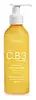 Key Ingredients
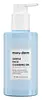
No key ingredients
Benefits
Concerns
Ingredients Side-by-side
Water
Skin ConditioningCocamidopropyl Betaine
Cleansing



Sodium Lauroyl Sarcosinate
CleansingCoco-Glucoside
Cleansing
Glycerin
Humectant


Undecylenamidopropyl Betaine
CleansingHydrolyzed Rice Protein
Skin ConditioningInulin
Skin Conditioning
Fructose
Humectant
Niacinamide
Smoothing









Calcium Pantothenate
Sodium Ascorbyl Phosphate
Antioxidant

Tocopheryl Acetate
Antioxidant
Pyridoxine Hcl
Skin ConditioningMaltodextrin
Absorbent
Sodium Starch Octenylsuccinate
AbsorbentSilica
Abrasive
Camellia Japonica Seed Oil
Emollient

C12-13 Alkyl Lactate
EmollientPEG-120 Methyl Glucose Dioleate
Emulsifying
Sodium Benzoate
Masking
Parfum
Masking

Linalool
Perfuming
Geraniol
Perfuming
Citric Acid
Buffering
Water, Cocamidopropyl Betaine, Sodium Lauroyl Sarcosinate, Coco-Glucoside, Glycerin, Undecylenamidopropyl Betaine, Hydrolyzed Rice Protein, Inulin, Fructose, Niacinamide, Calcium Pantothenate, Sodium Ascorbyl Phosphate, Tocopheryl Acetate, Pyridoxine Hcl, Maltodextrin, Sodium Starch Octenylsuccinate, Silica, Camellia Japonica Seed Oil, C12-13 Alkyl Lactate, PEG-120 Methyl Glucose Dioleate, Sodium Benzoate, Parfum, Linalool, Geraniol, Citric Acid
Water
Skin ConditioningGlycerin
Humectant
Cocamidopropyl Betaine
Cleansing
Lauryl Glucoside
CleansingPanthenol
Skin Conditioning
Sodium Lauryl Glucose Carboxylate
CleansingCocamide Mipa
Emulsifying
Coco-Glucoside
Cleansing
Sodium PCA
Humectant
C12-15 Alkyl Benzoate
AntimicrobialSodium Benzoate
Masking
Chamomilla Recutita Flower Extract
Masking
Aloe Barbadensis Leaf Extract
Emollient
Potassium Sorbate
Preservative
Hydrolyzed Wheat Protein
Skin ConditioningHydrolyzed Soy Protein
Humectant
Hydrolyzed Corn Protein
Skin ConditioningTetrasodium EDTA
ChelatingWater, Glycerin, Cocamidopropyl Betaine, Lauryl Glucoside, Panthenol, Sodium Lauryl Glucose Carboxylate, Cocamide Mipa, Coco-Glucoside, Sodium PCA, C12-15 Alkyl Benzoate, Sodium Benzoate, Chamomilla Recutita Flower Extract, Aloe Barbadensis Leaf Extract, Potassium Sorbate, Hydrolyzed Wheat Protein, Hydrolyzed Soy Protein, Hydrolyzed Corn Protein, Tetrasodium EDTA
Reviews
Ingredients Explained
These ingredients are found in both products.
Ingredients higher up in an ingredient list are typically present in a larger amount.
Cocamidopropyl Betaine is a fatty acid created by mixing similar compounds in coconut oil and dimethylaminopropylamine, a compound with two amino groups.
This ingredient is a surfactant and cleanser. It helps gather the dirt, pollutants, and other impurities in your skin to be washed away. It also helps thicken a product and make the texture more creamy.
Being created from coconut oil means Cocamidopropyl Betaine is hydrating for the skin.
While Cocamidopropyl Betaine was believed to be an allergen, a study from 2012 disproved this. It found two compounds in unpure Cocamidopropyl Betaine to be the irritants: aminoamide and 3-dimethylaminopropylamine. High-grade and pure Cocamidopropyl Betaine did not induce allergic reactions during this study.
Learn more about Cocamidopropyl BetaineCoco-Glucoside is a surfactant, or a cleansing ingredient. It is made from glucose and coconut oil.
Surfactants help gather dirt, oil, and other pollutants from your skin to be rinsed away.
This ingredient is considered gentle and non-comedogenic. However, it may still be irritating for some.
Learn more about Coco-GlucosideGlycerin (or glycerol) is a compound naturally found in your skin. It's a powerhouse humectant that pulls water into the stratum corneum.
Topically, glycerin does several things at once:
Your skin makes glycerin on its own (mostly from sebaceous oil breakdown) and shuttles it to your outermost layer of skin, or your epidermis, via aquaporin-3.
Aquaporin-3 is a transporter that is essential for normal skin hydration, elasticity, and repair. Interestingly, mice lacking in AQP3 have dry and less elastic skin that can be fully corrected with glycerin.
This ingredient is non-irritating, plays well with almost every ingredient, and works across all skin types. Typical use is anywhere between 3-10% but can go up to 79% in some leave-on products.
Just know very high concentrations (>40%) can feel tacky in low humidity.
Glycerin is the name for this ingredient in American English. British English uses Glycerol/Glycerine.
Learn more about GlycerinSodium Benzoate is a preservative. It's used in both cosmetic and food products to inhibit the growth of mold and bacteria. It is typically produced synthetically.
Both the US FDA and EU Health Committee have approved the use of sodium benzoate. In the US, levels of 0.1% (of the total product) are allowed.
Sodium benzoate works as a preservative by inhibiting the growth of bacteria inside of cells. It prevents the cell from fermenting a type of sugar using an enzyme called phosphofructokinase.
It is the salt of benzoic acid. Foods containing sodium benzoate include soda, salad dressings, condiments, fruit juices, wines, and snack foods.
Studies for using ascorbic acid and sodium benzoate in cosmetics are lacking, especially in skincare routines with multiple steps.
We always recommend speaking with a professional, such as a dermatologist, if you have any concerns.
Learn more about Sodium BenzoateWater. It's the most common cosmetic ingredient of all. You'll usually see it at the top of ingredient lists, meaning that it makes up the largest part of the product.
So why is it so popular? Water most often acts as a solvent - this means that it helps dissolve other ingredients into the formulation.
You'll also recognize water as that liquid we all need to stay alive. If you see this, drink a glass of water. Remember to stay hydrated!
Learn more about Water

