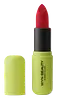
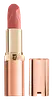
Wyn Beauty Word Of Mouth Max Comfort Matte Lipstick Versus L'Oreal Les Nus By Colour Riche Intense Nude Lipstick


What's inside
What's inside
 Key Ingredients
Benefits
Concerns
Ingredients Side-by-side
Dimethicone
Emollient

Caprylic/Capric Triglyceride
Masking


Synthetic Wax
Abrasive

Octyldodecanol
Emollient
Polysilicone-11

Polyhydroxystearic Acid
Emulsifying

Disteardimonium Hectorite
StabilisingSynthetic Beeswax
Emulsion Stabilising
Ricinus Communis Seed Oil
Masking

Dicalcium Phosphate
Abrasive
Hydrated Silica
Abrasive
Sodium Hyaluronate
Humectant


Copernicia Cerifera Wax
Aluminum Hydroxide
EmollientTriethoxycaprylylsilane
Pentaerythrityl Tetra-Di-T-Butyl Hydroxyhydrocinnamate
Antioxidant
Hydrogenated Castor Oil
Emollient
CI 77891
Cosmetic ColorantCI 42090
Cosmetic ColorantCI 45410
Cosmetic ColorantCI 19140
Cosmetic ColorantCI 15850
Cosmetic ColorantIron Oxides
Dimethicone, Caprylic/Capric Triglyceride, Synthetic Wax, Octyldodecanol, Polysilicone-11, Polyhydroxystearic Acid, Disteardimonium Hectorite, Synthetic Beeswax, Ricinus Communis Seed Oil, Dicalcium Phosphate, Hydrated Silica, Sodium Hyaluronate, Copernicia Cerifera Wax, Aluminum Hydroxide, Triethoxycaprylylsilane, Pentaerythrityl Tetra-Di-T-Butyl Hydroxyhydrocinnamate, Hydrogenated Castor Oil, CI 77891, CI 42090, CI 45410, CI 19140, CI 15850, Iron Oxides
Dimethicone
Emollient
Hydrogenated Polyisobutene
EmollientPolyethylene
Abrasive
Trimethyl Pentaphenyl Trisiloxane
Emollient
Octyldodecyl Neopentanoate
EmollientSucrose Acetate Isobutyrate
Stearyl Heptanoate
Emollient
Trimethylsiloxysilicate
Emollient
Stearyl Caprylate
EmollientArgania Spinosa Kernel Oil
Emollient

Paraffin
Skin Conditioning
Pentaerythrityl Tetra-Di-T-Butyl Hydroxyhydrocinnamate
Antioxidant
Alumina
Abrasive
Dimethicone/Vinyltrimethylsiloxysilicate Crosspolymer
Cera Microcristallina
Emulsion StabilisingSynthetic Wax
Abrasive
Calcium Sodium Borosilicate
Citronellol
Perfuming
Calcium Aluminum Borosilicate
Synthetic Fluorphlogopite
CI 77120
Cosmetic ColorantLimonene
Perfuming
Colophonium
Geraniol
Perfuming
Magnesium Silicate
AbsorbentSilica
Abrasive
Benzyl Alcohol
Perfuming


Tocopherol
Antioxidant

Linalool
Perfuming
Tin Oxide
Abrasive
Aluminum Hydroxide
EmollientParfum
Masking
CI 77891
Cosmetic ColorantCI 77491
Cosmetic ColorantCI 77492
Cosmetic ColorantCI 77499
Cosmetic ColorantCI 15850
Cosmetic ColorantCI 45410
Cosmetic ColorantCI 15985
Cosmetic ColorantCI 42090
Cosmetic ColorantCI 17200
Cosmetic ColorantCI 45380
Cosmetic ColorantCI 77742
Cosmetic ColorantCI 75470
Cosmetic ColorantCI 19140
Cosmetic ColorantDimethicone, Hydrogenated Polyisobutene, Polyethylene, Trimethyl Pentaphenyl Trisiloxane, Octyldodecyl Neopentanoate, Sucrose Acetate Isobutyrate, Stearyl Heptanoate, Trimethylsiloxysilicate, Stearyl Caprylate, Argania Spinosa Kernel Oil, Paraffin, Pentaerythrityl Tetra-Di-T-Butyl Hydroxyhydrocinnamate, Alumina, Dimethicone/Vinyltrimethylsiloxysilicate Crosspolymer, Cera Microcristallina, Synthetic Wax, Calcium Sodium Borosilicate, Citronellol, Calcium Aluminum Borosilicate, Synthetic Fluorphlogopite, CI 77120, Limonene, Colophonium, Geraniol, Magnesium Silicate, Silica, Benzyl Alcohol, Tocopherol, Linalool, Tin Oxide, Aluminum Hydroxide, Parfum, CI 77891, CI 77491, CI 77492, CI 77499, CI 15850, CI 45410, CI 15985, CI 42090, CI 17200, CI 45380, CI 77742, CI 75470, CI 19140
Ingredients Explained
These ingredients are found in both products.
Ingredients higher up in an ingredient list are typically present in a larger amount.
Aluminum Hydroxide is a form of aluminum. It can be naturally found in nature as the mineral gibbsite. In cosmetics, Aluminum Hydroxide is used as a colorant, pH adjuster, and absorbent.
As a colorant, Aluminum Hydroxide may add opacity, or reduce the transparency. Aluminum hydroxide is contains both basic and acidic properties.
According to manufacturers, this ingredient is an emollient and humectant. This means it helps hydrate the skin.
In medicine, this ingredient is used to help relieve heartburn and help heal ulcers.
There is currently no credible scientific evidence linking aluminum hydroxide in cosmetics to increased cancer risk.
Major health organizations allow the use of aluminum hydroxide in personal care products and have not flagged it as a carcinogenic risk at typical usage levels.
Learn more about Aluminum HydroxideCi 15850 is the pigment color red. It is an azo dye and created synthetically.
Azo dyes need to be thoroughly purified before use. This allows them to be more stable and longer-lasting.
This ingredient is common in foundations, lipsticks, and blushes. This color is described as brown/orangey red.
It has many secondary names such as Red 6 and Red 7. According to a manufacturer, Red 6 usually contains aluminum.
Learn more about CI 15850CI 19140 is also known as Tartrazine. Tartrazine is a synthetic dye used in cosmetics, foods, and medicine to add a yellow color.
Tartrazine is created from petroleum and is water-soluble.
Some people may experience allergies from this dye, especially asthmatics and those with an aspirin intolerance.
Learn more about CI 19140Ci 42090 is a synthetic dye created from petroleum. It is used to give a bright blue color to cosmetics, medicine, and food.
CI 45410 is a synthetic red-pigment and dye.
It often goes by both Red 28 or Red 27; manufacturers label both ingredients as CI 45410.
This dye is commonly found in makeup because it imparts a vivid color. Some types of this dye change color based on pH level and interaction with moisture:
Your skin has a natural pH of around 4.5 - 5.5.
According to the FDA, CI 45410 is not permitted for use in eye products.
Red 27 is a flourescein dye and commonly used as a fluorescent tracer in medicine.
Learn more about CI 45410Ci 77891 is a white pigment from Titanium dioxide. It is naturally found in minerals such as rutile and ilmenite.
It's main function is to add a white color to cosmetics. It can also be mixed with other colors to create different shades.
Ci 77891 is commonly found in sunscreens due to its ability to block UV rays.
Learn more about CI 77891Dimethicone is a type of synthetic silicone created from natural materials such as quartz. It is also known as polydimethylsiloxane.
What it does:
Dimethicone comes in different viscosities:
Depending on the viscosity, dimethicone has different properties.
Ingredients lists don't always show which type is used, so we recommend reaching out to the brand if you have questions about the viscosity.
This ingredient is unlikely to cause irritation because it does not get absorbed into skin. However, people with silicone allergies should be careful about using this ingredient.
Note: Dimethicone may contribute to pilling. This is because it is not oil or water soluble, so pilling may occur when layered with products. When mixed with heavy oils in a formula, the outcome is also quite greasy.
Learn more about DimethiconePentaerythrityl Tetra-Di-T-Butyl Hydroxyhydrocinnamate (long name, huh?) is a synthetic antioxidant.
It is used to help stabilize other antioxidants or prevent the color from changing in a product.
As an antioxidant, it helps fight free-radical molecules. Free-radical molecules are capable of damaging our cells and other genetic material. Thus, antioxidants may reduce the signs of aging.
This ingredient is oil-soluble.
Learn more about Pentaerythrityl Tetra-Di-T-Butyl HydroxyhydrocinnamateSynthetic Wax is a manufactured hydrocarbon wax. In formulas, it works as an occlusive emollient that helps reduce water loss and improves the spreadability of products.
Research comparing synthetic wax to traditional mineral-derived products found that formulas containing it perform as well for skin hydration.
It is considered non-comedogenic and vegan-friendly.
This ingredient has a well-established safety record by the CIR Expert Panel for Cosmetic Ingredient Safety.
Synthetic Waxes are straight/branched-chain hydrocarbons with no ester bond or fatty acids. That means there is nothing for the Malassezia yeast to feed on.
Learn more about Synthetic Wax

