Victoria Beckham Beauty VB x Augustinus Bader Cell Rejuvenating Power Serum Versus SKIN1004 Madagascar Centella Ampoule
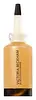
This barrier-repair serum is formulated around Saccharomyces Ferment Filtrate and Niacinamide to strengthen the skin barrier and soften the look of wrinkles.
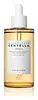
This calming ampoule is formulated around Centella Asiatica Extract to calm redness and strengthen the skin barrier.


What's inside
What's inside
 Key Ingredients
No key ingredients
Benefits
Concerns
No concerns
Ingredients Side-by-side
Water
Skin ConditioningGlycerin
Humectant


Diglycerin
Humectant
Dimethyl Isosorbide
SolventSaccharomyces Ferment Filtrate
Humectant


Pentylene Glycol
Skin Conditioning
Polyglyceryl-4 Caprate
Emulsifying1,2-Hexanediol
Skin Conditioning
Glycereth-26
Humectant
Niacinamide
Smoothing








Betaine
Humectant
Empetrum Nigrum Fruit Juice
Skin ConditioningPanthenol
Skin Conditioning
Yeast Extract
Skin ConditioningPavlova Lutheri Extract
Skin ConditioningCaprylic/Capric Triglyceride
Masking
Olea Europaea Fruit Extract
BleachingSodium Hyaluronate
Humectant
Caprylyl Glycol
Emollient
Hyaluronic Acid
Humectant
Sodium Polyacrylate
Absorbent
Acrylates/Vinyl Isodecanoate Crosspolymer
Emulsion StabilisingMaltodextrin
Absorbent
Arginine
Masking
Dipropylene Glycol
HumectantGlyceryl Polyacrylate
Leuconostoc/Radish Root Ferment Filtrate
Antimicrobial
Tocopherol
Antioxidant

Trisodium Ethylenediamine Disuccinate
Potassium Sorbate
Preservative
Benzyl Alcohol
Perfuming





Sorbic Acid
Preservative
Benzoic Acid
Masking
Water, Glycerin, Diglycerin, Dimethyl Isosorbide, Saccharomyces Ferment Filtrate, Pentylene Glycol, Polyglyceryl-4 Caprate, 1,2-Hexanediol, Glycereth-26, Niacinamide, Betaine, Empetrum Nigrum Fruit Juice, Panthenol, Yeast Extract, Pavlova Lutheri Extract, Caprylic/Capric Triglyceride, Olea Europaea Fruit Extract, Sodium Hyaluronate, Caprylyl Glycol, Hyaluronic Acid, Sodium Polyacrylate, Acrylates/Vinyl Isodecanoate Crosspolymer, Maltodextrin, Arginine, Dipropylene Glycol, Glyceryl Polyacrylate, Leuconostoc/Radish Root Ferment Filtrate, Tocopherol, Trisodium Ethylenediamine Disuccinate, Potassium Sorbate, Benzyl Alcohol, Sorbic Acid, Benzoic Acid
Reviews
Ingredients Explained
These ingredients are found in both products.
Ingredients higher up in an ingredient list are typically present in a larger amount.
1,2-Hexanediol is a synthetic liquid and another multi-functional powerhouse.
It is a:
- Humectant, drawing moisture into the skin
- Emollient, helping to soften skin
- Solvent, dispersing and stabilizing formulas
- Preservative booster, enhancing the antimicrobial activity of other preservatives
Glycerin (or glycerol) is a compound naturally found in your skin. It's a powerhouse humectant that pulls water into the stratum corneum.
Topically, glycerin does several things at once:
Your skin makes glycerin on its own (mostly from sebaceous oil breakdown) and shuttles it to your outermost layer of skin, or your epidermis, via aquaporin-3.
Aquaporin-3 is a transporter that is essential for normal skin hydration, elasticity, and repair. Interestingly, mice lacking in AQP3 have dry and less elastic skin that can be fully corrected with glycerin.
This ingredient is non-irritating, plays well with almost every ingredient, and works across all skin types. Typical use is anywhere between 3-10% but can go up to 79% in some leave-on products.
Just know very high concentrations (>40%) can feel tacky in low humidity.
Glycerin is the name for this ingredient in American English. British English uses Glycerol/Glycerine.
Learn more about GlycerinWater. It's the most common cosmetic ingredient of all. You'll usually see it at the top of ingredient lists, meaning that it makes up the largest part of the product.
So why is it so popular? Water most often acts as a solvent - this means that it helps dissolve other ingredients into the formulation.
You'll also recognize water as that liquid we all need to stay alive. If you see this, drink a glass of water. Remember to stay hydrated!
Learn more about Water

