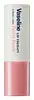
This barrier-repair lip moisturizer is formulated around Caprylic/Capric Triglyceride and Butyrospermum Parkii Butter to strengthen the lip barrier and hydrate lips.
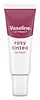
This lip moisturizer is formulated around Petrolatum to hydrate lips.

What's inside
What's inside
 Key Ingredients
No key ingredients
Benefits
Concerns
Ingredients Side-by-side
Caprylic/Capric Triglyceride
Masking


Diisostearyl Malate
EmollientHydrogenated Polyisobutene
EmollientSynthetic Wax
Abrasive

Bis-Diglyceryl Polyacyladipate-2
Emollient

Butyrospermum Parkii Butter
Skin Conditioning

Microcrystalline Wax
Emulsion StabilisingPolyglyceryl-2 Triisostearate
Emulsifying
Petrolatum 3%
Emollient

Silica
Abrasive

Silica Dimethyl Silylate
EmollientTitanium Dioxide
Cosmetic Colorant

Sorbitan Isostearate
Emulsifying
CI 77491
Cosmetic ColorantCI 77492
Cosmetic ColorantCI 15850
Cosmetic ColorantCI 42090
Cosmetic ColorantParfum
Masking

Linalool
Perfuming
Benzyl Benzoate
Antimicrobial
Pentaerythrityl Tetra-Di-T-Butyl Hydroxyhydrocinnamate
Antioxidant
Dehydroacetic Acid
Preservative
Alumina
Abrasive
Water
Skin ConditioningLimonene
Perfuming
Hexyl Cinnamal
Perfuming
Butylene Glycol
Humectant
1,2-Hexanediol
Skin Conditioning
Honey Extract
Humectant
Prunus Persica Fruit Extract
Abrasive
BHT
Antioxidant
Phenoxyethanol
Preservative
Ethylhexylglycerin
Skin ConditioningCaprylic/Capric Triglyceride, Diisostearyl Malate, Hydrogenated Polyisobutene, Synthetic Wax, Bis-Diglyceryl Polyacyladipate-2, Butyrospermum Parkii Butter, Microcrystalline Wax, Polyglyceryl-2 Triisostearate, Petrolatum 3%, Silica, Silica Dimethyl Silylate, Titanium Dioxide, Sorbitan Isostearate, CI 77491, CI 77492, CI 15850, CI 42090, Parfum, Linalool, Benzyl Benzoate, Pentaerythrityl Tetra-Di-T-Butyl Hydroxyhydrocinnamate, Dehydroacetic Acid, Alumina, Water, Limonene, Hexyl Cinnamal, Butylene Glycol, 1,2-Hexanediol, Honey Extract, Prunus Persica Fruit Extract, BHT, Phenoxyethanol, Ethylhexylglycerin
Reviews
Ingredients Explained
These ingredients are found in both products.
Ingredients higher up in an ingredient list are typically present in a larger amount.
Linalool is a small, naturally occurring scent molecule found in plants like lavender, coriander, bergamot, and more.
It is one of the two most-used fragrance ingredients in cosmetics and added purely for smell. Since it's not used for a skin benefit, there's no "effective dose". Concentration depends on the fragrance load of the product.
The EU requires it to be named on the label above 0.001% in leave-on and 0.01% in rinse-off products.
Fresh linalool is a weak sensitizer but air exposure turns some of it into hydroperoxides, which are strong sensitizers. Those oxidation products are the actual allergy concern.
Patch-test clinics see positive reactions to linalool hydroperoxides in about 4% to 12% of dermatitis patients depending on country and test concentration.
Resassuringly, one analytical study found hydroperoxide levels in real fragranced products to be orders of magnitude below what induced sensitization in animal studies with no evidence of oxidation building up during normal storage.
The practical takeaway is that linalool is fine for most people but worth avoiding if you have a confirmed fragrance contact allergy or a badly compromised barrier.
Products stored a long time after opening are also the high-risk scenario since that is when oxidation happens.
The scent of linalool is described as floral, spicy tropical, and citrus-like.
Learn more about LinaloolParfum is a catch-all term for an ingredient or more that is used to give a scent to products.
Also called "fragrance", this ingredient can be a blend of hundreds of chemicals or plant oils. This means every product with "fragrance" or "parfum" in the ingredients list is a different mixture.
For instance, Habanolide is a proprietary trade name for a specific aroma chemical. When used as a fragrance ingredient in cosmetics, most aroma chemicals fall under the broad labeling category of “FRAGRANCE” or “PARFUM” according to EU and US regulations.
The term 'parfum' or 'fragrance' is not regulated in many countries. In many cases, it is up to the brand to define this term.
For instance, many brands choose to label themselves as "fragrance-free" because they are not using synthetic fragrances. However, their products may still contain ingredients such as essential oils that are considered a fragrance by INCI standards.
One example is Calendula flower extract. Calendula is an essential oil that still imparts a scent or 'fragrance'.
Depending on the blend, the ingredients in the mixture can cause allergies and sensitivities on the skin. Some ingredients that are known EU allergens include linalool and citronellol.
Parfum can also be used to mask or cover an unpleasant scent.
The bottom line is: not all fragrances/parfum/ingredients are created equally. If you are worried about fragrances, we recommend taking a closer look at an ingredient. And of course, we always recommend speaking with a professional.
Learn more about ParfumPetrolatum is more commonly known as petroleum jelly. It is created by mixing waxes and mineral oils.
This ingredient is effective at reducing water loss by 99%. This is because it is an occlusive. Occlusives create a hydrophobic barrier on the skin to prevent evaporation. This property makes it great for hydrating dry skin.
Pro tip: Use occlusives, such as this ingredient, on damp skin for the best results.
The quality or origin of petrolatum is only known when disclosed by the brand. Most cosmetic petrolatum has gone through several purification stages.
Another benefit of occlusives is it protects your skin against infection or allergies.
Petrolatum is fungal acne safe. It is a hydrocarbon with no fatty acid structure, so Malassezia cannot metabolize it. In-vitro studies support negligible growth stimulation as well.
It's also worth noting that petrolatum has a comedogenic rating of 0. In updated rabbit ear testing (and in human testing), petrolatum was found to be not comedogenic. This means it didn’t promote comedone formation in standard models.
Learn more about Petrolatum

