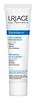
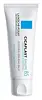
Uriage Bariéderm Repairing Cica-Cream with Cu-Zn Versus La Roche-Posay Cicaplast Soothing Face and Body Balm B5
This barrier-repair moisturizer is formulated around Zinc Oxide and Panthenol to strengthen the skin barrier and calm redness.
This barrier-repair moisturizer is formulated around Butyrospermum Parkii Butter and Panthenol to strengthen the skin barrier and calm redness.

What's inside
What's inside
 Key Ingredients
Benefits
Concerns
Ingredients Side-by-side
Water
Skin ConditioningParaffinum Liquidum
Emollient


Sodium Chloride
MaskingZinc Oxide
Cosmetic Colorant


Cetyl PEG/PPG-10/1 Dimethicone
Emulsifying
Propylheptyl Caprylate
EmollientButylene Glycol
Humectant

Hydrogenated Polydecene
EmollientPanthenol
Skin Conditioning


Glycerin
Humectant
Dimethicone
Emollient
Disteardimonium Hectorite
StabilisingPolyglyceryl-3 Diisostearate
Emulsifying



Magnesium Sulfate
Methylpropanediol
SolventTocopheryl Acetate
Antioxidant


Triacontanyl Pvp
HumectantCopper Gluconate
Skin Conditioning
Propanediol
Solvent
Propylene Carbonate
SolventCitric Acid
Buffering
Glutamylamidoethyl Indole
Skin ProtectingPolyquaternium-61
Skin ConditioningHyaluronic Acid
Humectant

Silanetriol
Borage Seed Oil Aminopropanediol Amides
Skin Conditioning
Water, Paraffinum Liquidum, Sodium Chloride, Zinc Oxide, Cetyl PEG/PPG-10/1 Dimethicone, Propylheptyl Caprylate, Butylene Glycol, Hydrogenated Polydecene, Panthenol, Glycerin, Dimethicone, Disteardimonium Hectorite, Polyglyceryl-3 Diisostearate, Magnesium Sulfate, Methylpropanediol, Tocopheryl Acetate, Triacontanyl Pvp, Copper Gluconate, Propanediol, Propylene Carbonate, Citric Acid, Glutamylamidoethyl Indole, Polyquaternium-61, Hyaluronic Acid, Silanetriol, Borage Seed Oil Aminopropanediol Amides
Water
Skin ConditioningHydrogenated Polyisobutene
EmollientDimethicone
Emollient
Glycerin
Humectant
Butyrospermum Parkii Butter
Skin Conditioning
Panthenol
Skin Conditioning
Butylene Glycol
Humectant
Aluminum Starch Octenylsuccinate
Absorbent
Propanediol
Solvent
Cetyl PEG/PPG-10/1 Dimethicone
Emulsifying
Tristearin
Skin ConditioningZinc Gluconate
Skin Conditioning


Madecassoside
Antioxidant
Manganese Gluconate
Skin ConditioningMagnesium Sulfate
Disodium EDTA
ChelatingCopper Gluconate
Skin Conditioning
Acetylated Glycol Stearate
Emollient
Polyglyceryl-4 Isostearate
Emulsifying
Sodium Benzoate
Masking
Phenoxyethanol
Preservative
Chlorhexidine Digluconate
Antimicrobial
CI 77891
Cosmetic ColorantWater, Hydrogenated Polyisobutene, Dimethicone, Glycerin, Butyrospermum Parkii Butter, Panthenol, Butylene Glycol, Aluminum Starch Octenylsuccinate, Propanediol, Cetyl PEG/PPG-10/1 Dimethicone, Tristearin, Zinc Gluconate, Madecassoside, Manganese Gluconate, Magnesium Sulfate, Disodium EDTA, Copper Gluconate, Acetylated Glycol Stearate, Polyglyceryl-4 Isostearate, Sodium Benzoate, Phenoxyethanol, Chlorhexidine Digluconate, CI 77891
Reviews
Ingredients Explained
These ingredients are found in both products.
Ingredients higher up in an ingredient list are typically present in a larger amount.
Butylene Glycol (or BG) is used within cosmetic products for a few different reasons:
Overall, Butylene Glycol is a safe and well-rounded ingredient that works well with other ingredients.
Though this ingredient works well with most skin types, some people with sensitive skin may experience a reaction such as allergic rashes, closed comedones, or itchiness.
Learn more about Butylene GlycolThis ingredient is a silicone-based emulsifer that helps the water and oil phases play nicely together.
It's pretty effective because one end of the molecule loves oil and the other one loves water.
Besides holding formulas together, it also leaves a silky and lightweight feel on skin without the greasiness. A manufacturer also claims it can help with the controlled release of active ingredients.
The CIR Expert Panel found this ingredient to not be sensitizing in concentrations up to 15% in human maximazation testing and dimethicone-based compounds were not comedogenic.
It has a high molecular weight well above 1,000 g/mol which means it limits meaningful skin penetration.
A 2019 study specifically tested this ingredient and found no observable Malassezia growth in its presence.
Learn more about Cetyl PEG/PPG-10/1 DimethiconeThis ingredient is a copper salt known for its wound healing properties.
Our bodies use copper to help stabilize our skin's collagen and elastin. Its also an essential for superoxide dismutase, an enzyme with strong antioxidant properties.
Copper has wound healing properties due to its role in creating new blood vessels and tissue repair.
Learn more about Copper GluconateDimethicone is a type of synthetic silicone created from natural materials such as quartz. It is also known as polydimethylsiloxane.
What it does:
Dimethicone comes in different viscosities:
Depending on the viscosity, dimethicone has different properties.
Ingredients lists don't always show which type is used, so we recommend reaching out to the brand if you have questions about the viscosity.
This ingredient is unlikely to cause irritation because it does not get absorbed into skin. However, people with silicone allergies should be careful about using this ingredient.
Note: Dimethicone may contribute to pilling. This is because it is not oil or water soluble, so pilling may occur when layered with products. When mixed with heavy oils in a formula, the outcome is also quite greasy.
Learn more about DimethiconeGlycerin (or glycerol) is a compound naturally found in your skin. It's a powerhouse humectant that pulls water into the stratum corneum.
Topically, glycerin does several things at once:
Your skin makes glycerin on its own (mostly from sebaceous oil breakdown) and shuttles it to your outermost layer of skin, or your epidermis, via aquaporin-3.
Aquaporin-3 is a transporter that is essential for normal skin hydration, elasticity, and repair. Interestingly, mice lacking in AQP3 have dry and less elastic skin that can be fully corrected with glycerin.
This ingredient is non-irritating, plays well with almost every ingredient, and works across all skin types. Typical use is anywhere between 3-10% but can go up to 79% in some leave-on products.
Just know very high concentrations (>40%) can feel tacky in low humidity.
Glycerin is the name for this ingredient in American English. British English uses Glycerol/Glycerine.
Learn more about GlycerinMagnesium Sulfate is a salt. More specifically, it is an epsom salt, or the bath salt used to help relieve muscle aches.
Despite having ‘sulfate’ in the name, it isn’t a surfactant or cleansing agent like sodium lauryl sulfate. Unlike those sulfates, magnesium sulfate doesn’t have the same cleansing or foaming properties (it's simply a type of salt).
In cosmetics, Magnesium Sulfate is used to thicken a product or help dilute other solids. It is a non-reactive and non-irritating ingredient.
One study shows magnesium deficiency may lead to inflammation of the skin. Applying magnesium topically may help reduce inflammation.
You can find this ingredient in sea water or mineral deposits.
Learn more about Magnesium SulfatePanthenol is a common ingredient that helps hydrate and soothe the skin. It is found naturally in our skin and hair.
There are two forms of panthenol: D and L.
D-panthenol is also known as dexpanthenol. Most cosmetics use dexpanthenol or a mixture of D and L-panthenol.
Panthenol is famous due to its ability to go deeper into the skin's layers. Using this ingredient has numerous pros (and no cons):
Like hyaluronic acid, panthenol is a humectant. Humectants are able to bind and hold large amounts of water to keep skin hydrated.
This ingredient works well for wound healing. It works by increasing tissue in the wound and helps close open wounds.
Once oxidized, panthenol converts to pantothenic acid. Panthothenic acid is found in all living cells.
This ingredient is also referred to as pro-vitamin B5.
Learn more about PanthenolPropanediol is an all-star ingredient. It softens, hydrates, and smooths the skin.
It’s often used to:
Propanediol is not likely to cause sensitivity and considered safe to use. It is derived from corn or petroleum with a clear color and no scent.
Learn more about PropanediolWater. It's the most common cosmetic ingredient of all. You'll usually see it at the top of ingredient lists, meaning that it makes up the largest part of the product.
So why is it so popular? Water most often acts as a solvent - this means that it helps dissolve other ingredients into the formulation.
You'll also recognize water as that liquid we all need to stay alive. If you see this, drink a glass of water. Remember to stay hydrated!
Learn more about Water

