
What's inside
What's inside
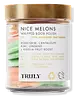 Key Ingredients
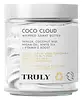
No key ingredients
Benefits
Concerns
Ingredients Side-by-side
Glycerin
Humectant


Sodium Cocoyl Isethionate
Cleansing
Sorbitol
Humectant
Propylene Glycol
Humectant

Theobroma Cacao Seed Butter
Emollient


Rosa Damascena Flower Water
Masking

Stearic Acid
Cleansing
Myristic Acid
Cleansing
Jojoba Esters
Emollient
Disodium Lauroamphodiacetate
CleansingLeuconostoc/Radish Root Ferment Filtrate
Antimicrobial
Sodium Stearate
CleansingSodium Myristate
CleansingSodium Laurate
CleansingWater
Skin ConditioningKigelia Africana Fruit Extract
Skin ConditioningPanax Ginseng Root Extract
Emollient
Cucumis Melo Fruit Extract
Skin ConditioningActinidia Chinensis Fruit Extract
EmollientTitanium Dioxide
Cosmetic Colorant

Mica
Cosmetic ColorantIron Oxides
CI 77742
Cosmetic ColorantParfum
Masking


Glycerin, Sodium Cocoyl Isethionate, Sorbitol, Propylene Glycol, Theobroma Cacao Seed Butter, Rosa Damascena Flower Water, Stearic Acid, Myristic Acid, Jojoba Esters, Disodium Lauroamphodiacetate, Leuconostoc/Radish Root Ferment Filtrate, Sodium Stearate, Sodium Myristate, Sodium Laurate, Water, Kigelia Africana Fruit Extract, Panax Ginseng Root Extract, Cucumis Melo Fruit Extract, Actinidia Chinensis Fruit Extract, Titanium Dioxide, Mica, Iron Oxides, CI 77742, Parfum
Glycerin
Humectant
Sodium Cocoyl Isethionate
Cleansing
Butyrospermum Parkii Butter
Skin Conditioning
Mangifera Indica Seed Butter
Skin Conditioning
Sorbitol
Humectant
Rosa Damascena Callus
Antimicrobial
Maranta Arundinacea Root Extract
SmoothingStearic Acid
Cleansing
Myristic Acid
Cleansing
Disodium Lauroamphodiacetate
CleansingLeuconostoc/Radish Root Ferment Filtrate
Antimicrobial
Tocopherol
Antioxidant



Phenoxyethanol
Preservative
Tetrasodium Glutamate Diacetate
ChelatingCamellia Sinensis Extract
Antioxidant
Vanilla Planifolia Fruit Extract
Skin Conditioning
Argania Spinosa Kernel Oil
Emollient

Hydrogenated Coconut Acid
Emollient
Parfum
Masking
Glycerin, Sodium Cocoyl Isethionate, Butyrospermum Parkii Butter, Mangifera Indica Seed Butter, Sorbitol, Rosa Damascena Callus, Maranta Arundinacea Root Extract, Stearic Acid, Myristic Acid, Disodium Lauroamphodiacetate, Leuconostoc/Radish Root Ferment Filtrate, Tocopherol, Phenoxyethanol, Tetrasodium Glutamate Diacetate, Camellia Sinensis Extract, Vanilla Planifolia Fruit Extract, Argania Spinosa Kernel Oil, Hydrogenated Coconut Acid, Parfum
Reviews
Ingredients Explained
These ingredients are found in both products.
Ingredients higher up in an ingredient list are typically present in a larger amount.
We don't have a description for Disodium Lauroamphodiacetate yet.
Glycerin (or glycerol) is a compound naturally found in your skin. It's a powerhouse humectant that pulls water into the stratum corneum.
Topically, glycerin does several things at once:
Your skin makes glycerin on its own (mostly from sebaceous oil breakdown) and shuttles it to your outermost layer of skin, or your epidermis, via aquaporin-3.
Aquaporin-3 is a transporter that is essential for normal skin hydration, elasticity, and repair. Interestingly, mice lacking in AQP3 have dry and less elastic skin that can be fully corrected with glycerin.
This ingredient is non-irritating, plays well with almost every ingredient, and works across all skin types. Typical use is anywhere between 3-10% but can go up to 79% in some leave-on products.
Just know very high concentrations (>40%) can feel tacky in low humidity.
Glycerin is the name for this ingredient in American English. British English uses Glycerol/Glycerine.
Learn more about GlycerinLeuconostoc/Radish Root Ferment Filtrate is a natural preservative. It comes from fermenting radish roots with a bacteria called leuconostoc. The trade name for this ingredient is Leucidal.
Leuconostoc comes from lactic acid.
This ingredient has antimicrobial properties and helps prevent the growth of bacteria in a product.
Leuconostoc is used to make the traditional Korean side-dish, kimchi. It is also used to make sourdough bread (both incredibly yummy foods).
Learn more about Leuconostoc/Radish Root Ferment FiltrateMyristic Acid, aka tetradecanoic acid, is a naturally occurring fatty acid found in coconut oil, milk fat, and palm oil.
In skincare, it is an:
Research indicates that this ingredient posts a low risk of irritation and sensitization.
Industry survey data collected for this ingredient puts real-world usage concentrations anywhere from 0.00002% to 20% (most of the high end sits in rinse-off products).
Myristic Acid is not a recognized contact allergen and there are no published case reports of allergic contact dermatitis to it. Human testing found it to be non-irritating at 100% and at 40-50% in mineral oil. There are complaints about high-Myristic-acid cleansers leaving a tight feeling behind, but that has more to do with soap chemistry and pH than an allergy.
This ingredient does have a comedogenic rating of 3, but this doesn't mean a formula with this ingredient will clog pores.
Human testing has proved that any finished product with this ingredient won't automatically make you break out; it really comes down to concentration, formula, and your skin. Some people still find it breaks them out. So if that's you, definitely trust your skin.
Since myristic acid is a C14 fatty acid, it falls within the range that Malassezia can metabolize (C11-24), and therefore may not be fungal acne safe.
Learn more about Myristic AcidParfum is a catch-all term for an ingredient or more that is used to give a scent to products.
Also called "fragrance", this ingredient can be a blend of hundreds of chemicals or plant oils. This means every product with "fragrance" or "parfum" in the ingredients list is a different mixture.
For instance, Habanolide is a proprietary trade name for a specific aroma chemical. When used as a fragrance ingredient in cosmetics, most aroma chemicals fall under the broad labeling category of “FRAGRANCE” or “PARFUM” according to EU and US regulations.
The term 'parfum' or 'fragrance' is not regulated in many countries. In many cases, it is up to the brand to define this term.
For instance, many brands choose to label themselves as "fragrance-free" because they are not using synthetic fragrances. However, their products may still contain ingredients such as essential oils that are considered a fragrance by INCI standards.
One example is Calendula flower extract. Calendula is an essential oil that still imparts a scent or 'fragrance'.
Depending on the blend, the ingredients in the mixture can cause allergies and sensitivities on the skin. Some ingredients that are known EU allergens include linalool and citronellol.
Parfum can also be used to mask or cover an unpleasant scent.
The bottom line is: not all fragrances/parfum/ingredients are created equally. If you are worried about fragrances, we recommend taking a closer look at an ingredient. And of course, we always recommend speaking with a professional.
Learn more about ParfumSodium cocoyl isethionate is a natural ingredient from coconut oil. It is an ultra gentle cleanser that gives a nice foam without drying the skin or impacting the skin barrier.
The amount of foam created depends on the amount of sodium cocoyl isethionate used in the product.
This ingredient also helps improve the spreadability of a product.
This ingredient hasn’t been shown in studies to feed fungal acne yeast.
Learn more about Sodium Cocoyl IsethionateSorbitol is a sugar alcohol. It is a hydrating and moisturizing agent created from the reduction process of glucose.
Most sorbitol is usually made from potato starch. It is also found in fruits such as apples and pears.
As a humectant, Sorbitol helps draw water to the skin. This helps keep the skin hydrated. Sorbitol also helps create a thicker texture in products. You might find sorbitol in your toothpaste and other gels.
It is a non-irritating ingredient that is great for those with dry skin.
Sorbitol is a prebiotic. It helps promote the growth of healthy bacteria on your skin. The bacteria on your skin form a microbiome. This microbiome helps protect your skin from infection and harmful bacteria.
Learn more about SorbitolStearic Acid is a fatty acid that is already found in your skin. It's one of the free fatty acids that works alongside ceramides and cholesterols to maintain your barrier.
In cosmetics, it is a multitasker:
Safety-wise, the CIR Expert Panel has concluded it to be safe in cosmetics when formulated to be non-irritating and non-sensitizing.
Free stearic acid is a C18 fatty acid that the Malassezia yeast can substrate, so this ingredient may not be fungal acne safe.
This ingredient does have a comedogenic rating of 2-3, but this doesn't mean a formula with this ingredient will clog pores.
Human testing has proved that any finished product with this ingredient won't automatically make you break out; it really comes down to concentration, formula, and your skin.
Learn more about Stearic Acid

