True to Skin Bakuchiol Smoothing Serum Versus The Originote Astachiol Anti-Aging And Smooth Wrinkles Serum
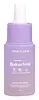
This smoothing serum is formulated around Lactobionic Acid and Potassium Azeloyl Diglycinate to refine skin texture and soften the look of wrinkles.
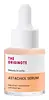
This anti-aging serum is formulated around Bakuchiol and Astaxanthin to soften the look of wrinkles and refine skin texture.


What's inside
What's inside
 Key Ingredients
Benefits
Concerns
No concerns
Ingredients Side-by-side
Water
Skin ConditioningPPG-13-Decyltetradeceth-24
EmulsifyingMethylpropanediol
SolventPEG/PPG/Polybutylene Glycol-8/5/3 Glycerin
HumectantButylene Glycol
Humectant

Lactobionic Acid
Buffering







Potassium Azeloyl Diglycinate
Skin Conditioning



Bakuchiol
Antimicrobial

Sea Water
HumectantPanthenol
Skin Conditioning
Allantoin
Skin Conditioning
Xanthan Gum
Emulsifying1,2-Hexanediol
Skin Conditioning
Triethanolamine
BufferingPhenoxyethanol
Preservative
Disodium EDTA
Chlorphenesin
Antimicrobial
Caprylyl Glycol
Emollient
Water, PPG-13-Decyltetradeceth-24, Methylpropanediol, PEG/PPG/Polybutylene Glycol-8/5/3 Glycerin, Butylene Glycol, Lactobionic Acid, Potassium Azeloyl Diglycinate, Bakuchiol, Sea Water, Panthenol, Allantoin, Xanthan Gum, 1,2-Hexanediol, Triethanolamine, Phenoxyethanol, Disodium EDTA, Chlorphenesin, Caprylyl Glycol
Water
Skin ConditioningButylene Glycol
Humectant
Glycerin
Humectant
Panthenol
Skin Conditioning
1,2-Hexanediol
Skin Conditioning
Hydroxyacetophenone
Antioxidant
Collagen
Moisturising
Hydroxyethylcellulose
Emulsion StabilisingAllantoin
Skin Conditioning
Sodium Hyaluronate
Humectant
Propanediol
Solvent
Bakuchiol
Antimicrobial
Polysorbate 20
Emulsifying

Centella Asiatica Extract
Cleansing
Caprylyl Glycol
Emollient
Camellia Sinensis Extract
Antioxidant
Propylene Glycol
Humectant
Ethylhexylglycerin
Skin ConditioningCaprylic/Capric Triglyceride
Masking
Phospholipids
Skin Conditioning
Potassium Sorbate
Preservative
Sodium Benzoate
Masking
Astaxanthin
Skin Conditioning
Arginine/Lysine Polypeptide
Skin Conditioning
Palmitoyl Tripeptide-1
Skin Conditioning
Water, Butylene Glycol, Glycerin, Panthenol, 1,2-Hexanediol, Hydroxyacetophenone, Collagen, Hydroxyethylcellulose, Allantoin, Sodium Hyaluronate, Propanediol, Bakuchiol, Polysorbate 20, Centella Asiatica Extract, Caprylyl Glycol, Camellia Sinensis Extract, Propylene Glycol, Ethylhexylglycerin, Caprylic/Capric Triglyceride, Phospholipids, Potassium Sorbate, Sodium Benzoate, Astaxanthin, Arginine/Lysine Polypeptide, Palmitoyl Tripeptide-1
Ingredients Explained
These ingredients are found in both products.
Ingredients higher up in an ingredient list are typically present in a larger amount.
1,2-Hexanediol is a synthetic liquid and another multi-functional powerhouse.
It is a:
- Humectant, drawing moisture into the skin
- Emollient, helping to soften skin
- Solvent, dispersing and stabilizing formulas
- Preservative booster, enhancing the antimicrobial activity of other preservatives
Allantoin is a soothing ingredient known for its protective and moisturizing properties; it's basically a quiet workhorse ingredient you can find in a huge range of cosmetics.
Though it can be derived from the comfrey plant, allantoin is produced synthetically for cosmetic products to ensure purity.
Research shows it can encourage your skin cells to turn over and renew by stimulating keratinocyte and fibroblast proliferation.
It also has mild keratolytic properties to help loosen and shed dead skin cells without being harsh.
Studies also suggest allantoin can help calm inflammation by dialing down some of the chemical signals your skin sends out when it is irritated.
This ingredient is typically used in the 0.1-0.5% range, and the FDA recognizes it as a skin protectant in OTC products up to 2%.
Overall, allantoin is a wonderful addition to most routines; it is stable across a wide pH range (~4-8), works well with other ingredients, and is considered non-sensitizing/non-irritating.
Fun fact: Allantoin is naturally occurring in comfrey root, beets, chamomile, and wheat sprouts. Our bodies even produce it as a byproduct of uric acid metabolism.
Learn more about AllantoinBakuchiol is a plant-derived antioxidant from the seeds of the Psoralea corylifolia plant. It has antimicrobial, emollient, skin conditioning, and antioxidant properties.
You'll likely see it called a "retinol replacement" but the two are technically not related. This is because bakuchiol is able to flip many of the same switches in your skin cells to tell them to:
1) produce more collagen (type I, III, and IV)
2) activate the same genes retinoids do
Unlike retinoids, this ingredient will not increase photosensitivity and is safe to use during pregnancy (but please still check in with your doctor!).
The flagship clinical trial from Dhaliwal et al. 2019 found 0.5% bakuchiol (twice daily) and 0.5% retinol (once daily) reduced wrinkles and hyperpigmentation equally, but bakuchiol had significantly less irritation.
Systematic reviews also back this up:
Bakuchiol is comparable to retinol for photoaging but with better tolerability. It also has mild antibacterial properties against Cutibacterium acnes and antifungal activity in vitro against Candida and dermatophytes.
The reason bakuchiol works well is due to its structure; it is a meroterpene phenol, or a hybrid molecule. The phenol half acts as an antioxidant while the terpene half is fat-loving. This helps the molecule slip through the skin barrier.
This ingredient is usually used between 0.5-2%. Only one case of contact dermatitis has ever been reported for this ingredient.
Learn more about BakuchiolButylene Glycol (or BG) is used within cosmetic products for a few different reasons:
Overall, Butylene Glycol is a safe and well-rounded ingredient that works well with other ingredients.
Though this ingredient works well with most skin types, some people with sensitive skin may experience a reaction such as allergic rashes, closed comedones, or itchiness.
Learn more about Butylene GlycolCaprylyl Glycol is a humectant, skin conditioner, emollient, and preservative booster derived from either caprylic acid or synthetically created.
Typical use levels vary from 0.3-1% as a preservative booster and go up to 2% to condition skin.
Because it is not a free-fatty acid, this ingredient is fungal acne safe (there's nothing for Malassezia to feed on).
Learn more about Caprylyl GlycolPanthenol is a common ingredient that helps hydrate and soothe the skin. It is found naturally in our skin and hair.
There are two forms of panthenol: D and L.
D-panthenol is also known as dexpanthenol. Most cosmetics use dexpanthenol or a mixture of D and L-panthenol.
Panthenol is famous due to its ability to go deeper into the skin's layers. Using this ingredient has numerous pros (and no cons):
Like hyaluronic acid, panthenol is a humectant. Humectants are able to bind and hold large amounts of water to keep skin hydrated.
This ingredient works well for wound healing. It works by increasing tissue in the wound and helps close open wounds.
Once oxidized, panthenol converts to pantothenic acid. Panthothenic acid is found in all living cells.
This ingredient is also referred to as pro-vitamin B5.
Learn more about PanthenolWater. It's the most common cosmetic ingredient of all. You'll usually see it at the top of ingredient lists, meaning that it makes up the largest part of the product.
So why is it so popular? Water most often acts as a solvent - this means that it helps dissolve other ingredients into the formulation.
You'll also recognize water as that liquid we all need to stay alive. If you see this, drink a glass of water. Remember to stay hydrated!
Learn more about Water

