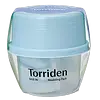
This wash off mask is made with Diatomaceous Earth and Sodium Hyaluronate for a rinse-off hydration boost.

What's inside
What's inside
 Key Ingredients
Benefits
Concerns
No concerns
Ingredients Side-by-side
Diatomaceous Earth
Abrasive

Glucose
Humectant

Algin
MaskingKaolin
Abrasive

CI 77231
Cosmetic ColorantXanthan Gum
EmulsifyingZea Mays Starch
Absorbent
Cellulose Gum
Emulsion StabilisingTrehalose
Humectant
Betaine
Humectant
Xylitol
Humectant
Hyaluronic Acid
Humectant

Sodium Hyaluronate
Humectant
Potassium Hyaluronate
Skin ConditioningHydroxypropyltrimonium Hyaluronate
Hydrolyzed Sodium Hyaluronate
Skin Conditioning
Panthenol
Skin Conditioning
Allantoin
Skin Conditioning
Potassium Alginate
Emulsion StabilisingSodium Dehydroacetate
Preservative
Dextrin
AbsorbentTetrasodium Pyrophosphate
BufferingWater
Skin ConditioningGlycerin
Humectant
1,2-Hexanediol
Skin Conditioning
Undaria Pinnatifida Extract
Skin ConditioningGardenia Florida Fruit Extract
Skin ConditioningDiatomaceous Earth, Glucose, Algin, Kaolin, CI 77231, Xanthan Gum, Zea Mays Starch, Cellulose Gum, Trehalose, Betaine, Xylitol, Hyaluronic Acid, Sodium Hyaluronate, Potassium Hyaluronate, Hydroxypropyltrimonium Hyaluronate, Hydrolyzed Sodium Hyaluronate, Panthenol, Allantoin, Potassium Alginate, Sodium Dehydroacetate, Dextrin, Tetrasodium Pyrophosphate, Water, Glycerin, 1,2-Hexanediol, Undaria Pinnatifida Extract, Gardenia Florida Fruit Extract
Water
Skin ConditioningCalcium Sulfate Hydrate
Abrasive
Cetyl Ethylhexanoate
EmollientAlgin
MaskingOryza Sativa Bran Water
Masking
Zinc Oxide
Cosmetic Colorant

Dipropylene Glycol
HumectantGlycerin
Humectant
Sorbitan Sesquioleate
Emulsifying

Butylene Glycol
Humectant
Tetrapotassium Pyrophosphate
BufferingPEG-60 Hydrogenated Castor Oil
Emulsifying
Sodium Hyaluronate
Humectant
1,2-Hexanediol
Skin Conditioning
Xanthan Gum
EmulsifyingCaprylyl Glycol
Emollient
Scutellaria Baicalensis Root Extract
Astringent
Panax Ginseng Root/Liriope Muscari Extract
EmollientRosa Alba Callus Extract
Skin ProtectingChamomilla Recutita Flower Extract
Masking
Psidium Guajava Fruit Extract
AstringentCarica Papaya Fruit Extract
Skin ConditioningCucumis Sativus Fruit Extract
Emollient
Aloe Barbadensis Leaf Extract
Emollient
Disodium EDTA
ChelatingWater, Calcium Sulfate Hydrate, Cetyl Ethylhexanoate, Algin, Oryza Sativa Bran Water, Zinc Oxide, Dipropylene Glycol, Glycerin, Sorbitan Sesquioleate, Butylene Glycol, Tetrapotassium Pyrophosphate, PEG-60 Hydrogenated Castor Oil, Sodium Hyaluronate, 1,2-Hexanediol, Xanthan Gum, Caprylyl Glycol, Scutellaria Baicalensis Root Extract, Panax Ginseng Root/Liriope Muscari Extract, Rosa Alba Callus Extract, Chamomilla Recutita Flower Extract, Psidium Guajava Fruit Extract, Carica Papaya Fruit Extract, Cucumis Sativus Fruit Extract, Aloe Barbadensis Leaf Extract, Disodium EDTA
Reviews
Ingredients Explained
These ingredients are found in both products.
Ingredients higher up in an ingredient list are typically present in a larger amount.
1,2-Hexanediol is a synthetic liquid and another multi-functional powerhouse.
It is a:
- Humectant, drawing moisture into the skin
- Emollient, helping to soften skin
- Solvent, dispersing and stabilizing formulas
- Preservative booster, enhancing the antimicrobial activity of other preservatives
Algin is the sodium salt of alginic acid, a sugar-based polymer pulled out of brown seaweed.
In cosmetics, it's a workhorse thickener, binder, and film former rather than an active; it's mostly there for texture and slip.
Industry survey data collected by the Cosmetic Ingredient Review put its maximum reported use at 50% in paste masks and mud packs with reported use going all the way down to 0.001% in aerosol products. Most formulas sit at the low end since a little goes a long way as a thickener.
Allergy-wise, this ingredient is about as low-risk as it gets topically:
The "algae causes acne" idea comes from three places that got tangled together:
None of that transfers to a purified polysaccharide like algin. Clogged pores are a lipid problem where an ingredient has to get into the follicle and mix with sebum to form a comedone. Algin is a big, water-loving sugar chain that does neither; it gels and then sits on the surface as a film until it's rinsed off.
Learn more about AlginGlycerin (or glycerol) is a compound naturally found in your skin. It's a powerhouse humectant that pulls water into the stratum corneum.
Topically, glycerin does several things at once:
Your skin makes glycerin on its own (mostly from sebaceous oil breakdown) and shuttles it to your outermost layer of skin, or your epidermis, via aquaporin-3.
Aquaporin-3 is a transporter that is essential for normal skin hydration, elasticity, and repair. Interestingly, mice lacking in AQP3 have dry and less elastic skin that can be fully corrected with glycerin.
This ingredient is non-irritating, plays well with almost every ingredient, and works across all skin types. Typical use is anywhere between 3-10% but can go up to 79% in some leave-on products.
Just know very high concentrations (>40%) can feel tacky in low humidity.
Glycerin is the name for this ingredient in American English. British English uses Glycerol/Glycerine.
Learn more about GlycerinSodium Hyaluronate is the salt form of hyaluronic acid. It is a long sugar chain that is naturally found in your skin, joints, and connective tissue that maintains hydration and elasticity.
In skincare, it works as a humectant. It pulls water from the environment and deeper layers of skin and binds it to the surface.
Interestingly, the size of the molecule affects its behavior:
Some clinical evidence links low molecular weight versions to improved wrinkle depth, elasticity, anti-inflammatory effects, and barrier repair.
Many serums use a blend of both weights so you can get surface hydration plus longer-lasting and deeper effects.
You'll typically see concentrations between 0.1-2% for this ingredient.
Learn more about Sodium HyaluronateWater. It's the most common cosmetic ingredient of all. You'll usually see it at the top of ingredient lists, meaning that it makes up the largest part of the product.
So why is it so popular? Water most often acts as a solvent - this means that it helps dissolve other ingredients into the formulation.
You'll also recognize water as that liquid we all need to stay alive. If you see this, drink a glass of water. Remember to stay hydrated!
Learn more about WaterXanthan gum is used as a stabilizer and thickener within cosmetic products. It helps give products a sticky, thick feeling - preventing them from being too runny.
On the technical side of things, xanthan gum is a polysaccharide - a combination consisting of multiple sugar molecules bonded together.
Xanthan gum is a pretty common and great ingredient. It is a natural, non-toxic, non-irritating ingredient that is also commonly used in food products.
Learn more about Xanthan Gum

