

What's inside
What's inside
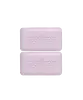 Key Ingredients
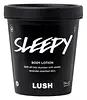
Benefits
Concerns
Ingredients Side-by-side
Hydrogenated Vegetable Oil
Emollient





Sodium Cocoyl Isethionate
Cleansing
Water
Skin ConditioningPolyglyceryl-4 Laurate
Emulsifying
Glycerin
Humectant

Cellulose Acetate
Lavandula Hybrida Oil
Emollient
Squalane
Emollient
Linalool
Perfuming


CI 77891
Cosmetic ColorantSodium Chloride
MaskingJojoba Esters
Emollient
Niacinamide
Smoothing








Urea
Buffering
Lactic Acid
Buffering
Kaolin
Abrasive
Limonene
Perfuming
Caprylic/Capric Triglyceride
Masking
Geraniol
Perfuming
Talc
Abrasive
Retinol
Skin Conditioning
BHT
Antioxidant
Citronellol
Perfuming
CI 77007
Cosmetic ColorantCI 77742
Cosmetic ColorantCI 73360
Cosmetic ColorantCI 77510
Cosmetic ColorantHydrogenated Vegetable Oil, Sodium Cocoyl Isethionate, Water, Polyglyceryl-4 Laurate, Glycerin, Cellulose Acetate, Lavandula Hybrida Oil, Squalane, Linalool, CI 77891, Sodium Chloride, Jojoba Esters, Niacinamide, Urea, Lactic Acid, Kaolin, Limonene, Caprylic/Capric Triglyceride, Geraniol, Talc, Retinol, BHT, Citronellol, CI 77007, CI 77742, CI 73360, CI 77510
Avena Sativa Kernel Extract
Abrasive
Milk
Skin Conditioning
Prunus Amygdalus Dulcis Oil
Skin Conditioning
Lavandula Angustifolia Flower Water
Skin Conditioning
Lavandula Angustifolia Flower
Skin Conditioning
Simmondsia Chinensis Seed Oil
Emollient
Glycerin
Humectant
Theobroma Cacao Seed Butter
Emollient
Stearic Acid
Cleansing
Illipe Butter
Skin ConditioningTriethanolamine
BufferingLavandula Angustifolia Oil
Masking
Styrax Benzoin Gum
Masking
Dipteryx Odorata Seed Extract
MaskingViola Odorata Oil
Masking
Cetearyl Alcohol
Emollient
Benzyl Benzoate
Antimicrobial
Benzyl Cinnamate
Perfuming
Coumarin
Perfuming
Geraniol
Perfuming
Limonene
Perfuming
Linalool
Perfuming
Parfum
Masking
Synthetic Fluorphlogopite
Titanium Dioxide
Cosmetic Colorant

Tin Oxide
Abrasive
CI 45380
Cosmetic ColorantBlue 1 Lake
Cosmetic ColorantAvena Sativa Kernel Extract, Milk, Prunus Amygdalus Dulcis Oil, Lavandula Angustifolia Flower Water, Lavandula Angustifolia Flower, Simmondsia Chinensis Seed Oil, Glycerin, Theobroma Cacao Seed Butter, Stearic Acid, Illipe Butter, Triethanolamine, Lavandula Angustifolia Oil, Styrax Benzoin Gum, Dipteryx Odorata Seed Extract, Viola Odorata Oil, Cetearyl Alcohol, Benzyl Benzoate, Benzyl Cinnamate, Coumarin, Geraniol, Limonene, Linalool, Parfum, Synthetic Fluorphlogopite, Titanium Dioxide, Tin Oxide, CI 45380, Blue 1 Lake
Alternatives
Ingredients Explained
These ingredients are found in both products.
Ingredients higher up in an ingredient list are typically present in a larger amount.
Geraniol is used to add fragrance/parfum to a product. It is the main component of citronellol. It is a monoterpenoid and an alcohol.
Monoterpenes are naturally found in many parts of different plants.
Geraniol can be found in many essential oils including Rose Oil and Citronella Oil. The scent of Geraniol is often described as "rose-like". Many foods also contain Geraniol for fruit flavoring.
Geraniol can irritate the skin when exposed to air. However, irritation depends on the ability of geraniol to penetrate into the skin. In general, geraniol is not able to penetrate skin easily.
Geraniol is colorless and has low water-solubility. However, it is soluble in common organic solvents.
Like citronellol, it is a natural insect repellent.
2,6-Octadien-1-ol, 3,7-dimethyl-, (2E)-
Learn more about GeraniolGlycerin (or glycerol) is a compound naturally found in your skin. It's a powerhouse humectant that pulls water into the stratum corneum.
Topically, glycerin does several things at once:
Your skin makes glycerin on its own (mostly from sebaceous oil breakdown) and shuttles it to your outermost layer of skin, or your epidermis, via aquaporin-3.
Aquaporin-3 is a transporter that is essential for normal skin hydration, elasticity, and repair. Interestingly, mice lacking in AQP3 have dry and less elastic skin that can be fully corrected with glycerin.
This ingredient is non-irritating, plays well with almost every ingredient, and works across all skin types. Typical use is anywhere between 3-10% but can go up to 79% in some leave-on products.
Just know very high concentrations (>40%) can feel tacky in low humidity.
Glycerin is the name for this ingredient in American English. British English uses Glycerol/Glycerine.
Learn more about GlycerinLimonene is the compound that gives citrus peel its smell.
In skincare, it shows up as a standalone fragrance ingredient or as a natural compound of citrus and other essential oils.
You'll typically see this ingredient used in very small amounts; anything above 0.001% in a leave-on product or 0.01% in a rinse-off has to be named on the label in the EU. The citrus oils that carry it sit around 0.5-1% in a finished formula.
Fresh limonene is a weak allergen; the real issue is that it slowly reacts with air and then breaks down from oxidation to create hydroperoxides (which are strong sensitizers). This is why suppliers are required to keep the peroxide value below 20 mmol.
Positive reactions in people being investigated for eczema vary:
It's worth skipping if you have a known fragrance allergy or a compromised barrier, but the risk is low for most people.
Older or long-opened products are also more likely to bother you than fresh ones due to oxidation.
Learn more about LimoneneLinalool is a small, naturally occurring scent molecule found in plants like lavender, coriander, bergamot, and more.
It is one of the two most-used fragrance ingredients in cosmetics and added purely for smell. Since it's not used for a skin benefit, there's no "effective dose". Concentration depends on the fragrance load of the product.
The EU requires it to be named on the label above 0.001% in leave-on and 0.01% in rinse-off products.
Fresh linalool is a weak sensitizer but air exposure turns some of it into hydroperoxides, which are strong sensitizers. Those oxidation products are the actual allergy concern.
Patch-test clinics see positive reactions to linalool hydroperoxides in about 4% to 12% of dermatitis patients depending on country and test concentration.
Resassuringly, one analytical study found hydroperoxide levels in real fragranced products to be orders of magnitude below what induced sensitization in animal studies with no evidence of oxidation building up during normal storage.
The practical takeaway is that linalool is fine for most people but worth avoiding if you have a confirmed fragrance contact allergy or a badly compromised barrier.
Products stored a long time after opening are also the high-risk scenario since that is when oxidation happens.
The scent of linalool is described as floral, spicy tropical, and citrus-like.
Learn more about Linalool

