

What's inside
What's inside
 Key Ingredients
Benefits
Concerns
Ingredients Side-by-side
Water
Skin ConditioningGluconolactone
Skin Conditioning







C9-12 Alkane
SolventPropanediol
Solvent

Butylene Glycol
Humectant
1,2-Hexanediol
Skin Conditioning
Tromethamine
BufferingSodium Hydroxide
BufferingSodium Citrate
BufferingCitric Acid
Buffering

Ethylhexylglycerin
Skin ConditioningVaccinium Myrtillus Fruit Extract
Skin ConditioningAdenosine
Skin Conditioning
Disodium EDTA
Saccharum Officinarum Extract
MoisturisingSqualane
Emollient
Citrus Aurantium Dulcis Fruit Extract
MaskingCitrus Limon Fruit Extract
Masking
Acer Saccharum Extract
Skin ConditioningDioscorea Japonica Root Extract
Skin Conditioning
Corchorus Olitorius Leaf Extract
Skin ConditioningNelumbo Nucifera Root Extract
Skin ConditioningHibiscus Esculentus Fruit Extract
Skin ConditioningAngelica Keiskei Extract
Antioxidant
Capryloyl Salicylic Acid
Exfoliating

Hippophae Rhamnoides Fruit Oil
Skin Protecting

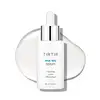
Water, Gluconolactone, C9-12 Alkane, Propanediol, Butylene Glycol, 1,2-Hexanediol, Tromethamine, Sodium Hydroxide, Sodium Citrate, Citric Acid, Ethylhexylglycerin, Vaccinium Myrtillus Fruit Extract, Adenosine, Disodium EDTA, Saccharum Officinarum Extract, Squalane, Citrus Aurantium Dulcis Fruit Extract, Citrus Limon Fruit Extract, Acer Saccharum Extract, Dioscorea Japonica Root Extract, Corchorus Olitorius Leaf Extract, Nelumbo Nucifera Root Extract, Hibiscus Esculentus Fruit Extract, Angelica Keiskei Extract, Capryloyl Salicylic Acid, Hippophae Rhamnoides Fruit Oil
Water
Skin ConditioningPropanediol
Solvent
Mandelic Acid
Antimicrobial
Gluconolactone
Skin Conditioning
Cyclopentasiloxane
Emollient
Dimethicone
Emollient
Betaine
Humectant
Cyclohexasiloxane
Emollient
PEG-10 Dimethicone
Skin Conditioning
Sodium Chloride
MaskingHydrogenated Lecithin
Emulsifying
Butyrospermum Parkii Butter
Skin Conditioning

PEG/PPG-18/18 Dimethicone
Emulsifying
Pentapeptide-59
Skin Conditioning
Maltodextrin
Absorbent
Dimethicone/Vinyl Dimethicone Crosspolymer
Skin Conditioning
Phenethyl Alcohol
MaskingEthylhexylglycerin
Skin ConditioningPhenoxyethanol
Preservative
Disodium EDTA
Sodium Hydroxide
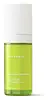
BufferingWater, Propanediol, Mandelic Acid, Gluconolactone, Cyclopentasiloxane, Dimethicone, Betaine, Cyclohexasiloxane, PEG-10 Dimethicone, Sodium Chloride, Hydrogenated Lecithin, Butyrospermum Parkii Butter, PEG/PPG-18/18 Dimethicone, Pentapeptide-59, Maltodextrin, Dimethicone/Vinyl Dimethicone Crosspolymer, Phenethyl Alcohol, Ethylhexylglycerin, Phenoxyethanol, Disodium EDTA, Sodium Hydroxide
Ingredients Explained
These ingredients are found in both products.
Ingredients higher up in an ingredient list are typically present in a larger amount.
Disodium EDTA is a chelating agent. It grabs onto and deactivates metal ions that sneak into your products from water, packaging, or air.
This ingredient mainly works behind the scenes and helps with:
On top of that, this ingredient can counteract the effects of hard water by binding to the minerals in it.
One thing worth knowing is that Disodium EDTA has been shown to be a mild penetration enhancer. It can help other ingredients absorb into skin more effectively which can be a double-edged sword (great for actives, but can also make the active too strong if you have sensitive skin).
Clinical patch testing showed no significant skin irritation at typical use concentrations and minimal dermal absorption.
You'll most likely see this ingredient near the end of an ingredient list. It's typically found in concentrations less than 1%.
Learn more about Disodium EDTAEthylhexylglycerin is created from glycerin. It is a multitasker ingredient that:
The CIR Expert Panel found minimal skin absorption or sensitization of any kind in a safety assessment. Though this ingredient is considered well-tolerated, a small number of cases of allergic dermatitis have been published since 2002. Just be sure to patch test if you are unsure.
Industry-reported use ranges from 8% in rinse-off products and 2% in leave-on formulations.
Learn more about EthylhexylglycerinGluconolactone is a PHA. PHAs are a great gentle alternative to traditional AHAs.
When applied, Gluconolactone has the same affect on skin as AHAs such as lactic acid. It helps dissolve the dead skin cells in the top layer of your skin. This improves texture and brightens the skin.
PHAs are more gentle than AHAs due to their larger structure. They do not penetrate as deeply as AHAs and take a longer time to dissolve dead cells. Studies show PHAs do not cause as much irritation.
Gluconolactone has some interesting properties:
In a 2004 study, Gluconolactone was found to prevent UV damage in mouse skin cells and has not been found to increase sun sensitivity. However, we still recommend wearing SPF daily.
This ingredient is is an created by reacting gluconic acid with an alcohol.
Learn more about GluconolactonePropanediol is an all-star ingredient. It softens, hydrates, and smooths the skin.
It’s often used to:
Propanediol is not likely to cause sensitivity and considered safe to use. It is derived from corn or petroleum with a clear color and no scent.
Learn more about PropanediolSodium Hydroxide is also known as lye or caustic soda. It is used to adjust the pH of products; many ingredients require a specific pH to be effective.
In small amounts, sodium hydroxide is considered safe to use. However, large amounts may cause chemical burns due to its high alkaline.
Your skin has a natural pH and acid mantle. This acid mantle helps prevent harmful bacteria from breaking through. The acid mantle also helps keep your skin hydrated.
"Alkaline" refers to a high pH level. A low pH level would be considered acidic.
Learn more about Sodium HydroxideWater. It's the most common cosmetic ingredient of all. You'll usually see it at the top of ingredient lists, meaning that it makes up the largest part of the product.
So why is it so popular? Water most often acts as a solvent - this means that it helps dissolve other ingredients into the formulation.
You'll also recognize water as that liquid we all need to stay alive. If you see this, drink a glass of water. Remember to stay hydrated!
Learn more about Water
