
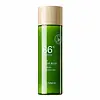
This hydrating emulsion is formulated around Aloe Barbadensis Leaf Extract to hydrate skin and calm redness.
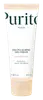
This calming moisturizer is formulated around Avena Sativa Seed Water and Dipotassium Glycyrrhizate to calm redness and hydrate skin.

What's inside
What's inside
 Key Ingredients
Benefits
Concerns
No concerns
Ingredients Side-by-side
Aloe Barbadensis Leaf Extract
Emollient


Glycerin
Humectant

Dipropylene Glycol
HumectantDimethicone
Emollient
Glycereth-26
Humectant
Diphenylsiloxy Phenyl Trimethicone
Skin Conditioning
Caprylic/Capric Triglyceride
Masking
C14-22 Alcohols
Emulsion Stabilising
Arachidyl Alcohol
Emollient
Chlorphenesin
Antimicrobial
Dimethiconol
Emollient
Acrylates/C10-30 Alkyl Acrylate Crosspolymer
Emulsion StabilisingBehenyl Alcohol
Emollient
C12-20 Alkyl Glucoside
EmulsifyingArachidyl Glucoside
EmulsifyingPotassium Hydroxide
BufferingDisodium EDTA
ChelatingGlucose
Humectant
Butylene Glycol
Humectant
Citrus Nobilis Fruit Extract
MaskingCamellia Sinensis Leaf Extract
Antimicrobial




Potassium Laurate
EmulsifyingAngelica Keiskei Extract
Antioxidant
Houttuynia Cordata Extract
Skin Conditioning
Brassica Oleracea Italica Extract
AstringentPropanediol
Solvent
Portulaca Oleracea Extract
Skin Conditioning
Malva Sylvestris Extract
AstringentMelissa Officinalis Leaf Extract
Skin ConditioningAlchemilla Vulgaris Leaf Extract
Antioxidant
Achillea Millefolium Extract
CleansingVeronica Officinalis Extract
Skin ConditioningMentha Piperita Leaf Extract
Skin ConditioningPrimula Veris Extract
Skin ConditioningSodium Hydroxide
BufferingEthylhexylglycerin
Skin ConditioningPEG-240/Hdi Copolymer Bis-Decyltetradeceth-20 Ether
StabilisingWater
Skin ConditioningAlcohol
Antimicrobial




Phenoxyethanol
Preservative
Parfum
Masking

Aloe Barbadensis Leaf Extract, Glycerin, Dipropylene Glycol, Dimethicone, Glycereth-26, Diphenylsiloxy Phenyl Trimethicone, Caprylic/Capric Triglyceride, C14-22 Alcohols, Arachidyl Alcohol, Chlorphenesin, Dimethiconol, Acrylates/C10-30 Alkyl Acrylate Crosspolymer, Behenyl Alcohol, C12-20 Alkyl Glucoside, Arachidyl Glucoside, Potassium Hydroxide, Disodium EDTA, Glucose, Butylene Glycol, Citrus Nobilis Fruit Extract, Camellia Sinensis Leaf Extract, Potassium Laurate, Angelica Keiskei Extract, Houttuynia Cordata Extract, Brassica Oleracea Italica Extract, Propanediol, Portulaca Oleracea Extract, Malva Sylvestris Extract, Melissa Officinalis Leaf Extract, Alchemilla Vulgaris Leaf Extract, Achillea Millefolium Extract, Veronica Officinalis Extract, Mentha Piperita Leaf Extract, Primula Veris Extract, Sodium Hydroxide, Ethylhexylglycerin, PEG-240/Hdi Copolymer Bis-Decyltetradeceth-20 Ether, Water, Alcohol, Phenoxyethanol, Parfum
Avena Sativa Seed Water 77%
Solvent
Butylene Glycol
Humectant
Glycerin
Humectant
2,3-Butanediol
Humectant1,2-Hexanediol
Skin Conditioning
Water
Skin ConditioningAmmonium Acryloyldimethyltaurate/Vp Copolymer
Squalane
Emollient
Hydroxyacetophenone
Antioxidant
Carbomer
Emulsion StabilisingDipotassium Glycyrrhizate
Humectant
Panthenol
Skin Conditioning
Tromethamine
BufferingEthylhexylglycerin
Skin ConditioningInulin Lauryl Carbamate
Emulsion StabilisingSodium Surfactin
CleansingBeta-Glucan
Skin Conditioning
Avena Sativa Seed Water 77%, Butylene Glycol, Glycerin, 2,3-Butanediol, 1,2-Hexanediol, Water, Ammonium Acryloyldimethyltaurate/Vp Copolymer, Squalane, Hydroxyacetophenone, Carbomer, Dipotassium Glycyrrhizate, Panthenol, Tromethamine, Ethylhexylglycerin, Inulin Lauryl Carbamate, Sodium Surfactin, Beta-Glucan
Reviews
Ingredients Explained
These ingredients are found in both products.
Ingredients higher up in an ingredient list are typically present in a larger amount.
Butylene Glycol (or BG) is used within cosmetic products for a few different reasons:
Overall, Butylene Glycol is a safe and well-rounded ingredient that works well with other ingredients.
Though this ingredient works well with most skin types, some people with sensitive skin may experience a reaction such as allergic rashes, closed comedones, or itchiness.
Learn more about Butylene GlycolEthylhexylglycerin is created from glycerin. It is a multitasker ingredient that:
The CIR Expert Panel found minimal skin absorption or sensitization of any kind in a safety assessment. Though this ingredient is considered well-tolerated, a small number of cases of allergic dermatitis have been published since 2002. Just be sure to patch test if you are unsure.
Industry-reported use ranges from 8% in rinse-off products and 2% in leave-on formulations.
Learn more about EthylhexylglycerinGlycerin (or glycerol) is a compound naturally found in your skin. It's a powerhouse humectant that pulls water into the stratum corneum.
Topically, glycerin does several things at once:
Your skin makes glycerin on its own (mostly from sebaceous oil breakdown) and shuttles it to your outermost layer of skin, or your epidermis, via aquaporin-3.
Aquaporin-3 is a transporter that is essential for normal skin hydration, elasticity, and repair. Interestingly, mice lacking in AQP3 have dry and less elastic skin that can be fully corrected with glycerin.
This ingredient is non-irritating, plays well with almost every ingredient, and works across all skin types. Typical use is anywhere between 3-10% but can go up to 79% in some leave-on products.
Just know very high concentrations (>40%) can feel tacky in low humidity.
Glycerin is the name for this ingredient in American English. British English uses Glycerol/Glycerine.
Learn more about GlycerinWater. It's the most common cosmetic ingredient of all. You'll usually see it at the top of ingredient lists, meaning that it makes up the largest part of the product.
So why is it so popular? Water most often acts as a solvent - this means that it helps dissolve other ingredients into the formulation.
You'll also recognize water as that liquid we all need to stay alive. If you see this, drink a glass of water. Remember to stay hydrated!
Learn more about Water

