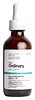
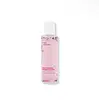
The Ordinary Natural Moisturizing Factors + HA For Scalp Versus Good Molecules Sakura Hyaluronic Acid Boosting Essence
This hydrating essence is formulated around Sodium Hyaluronate and Zinc PCA to hydrate skin and strengthen the skin barrier.


What's inside
What's inside
 Key Ingredients
Benefits
Concerns
No concerns
Ingredients Side-by-side
Water
Skin ConditioningSqualane
Emollient


C12-13 Alkyl Glyceryl Hydrolyzed Hyaluronate
Arginine
Masking
Aspartic Acid
Masking
Glycine
Buffering
Alanine
Masking
Serine
Masking
Valine
MaskingIsoleucine
Skin ConditioningProline
Skin Conditioning
Threonine
Histidine
Humectant
Phenylalanine
Masking
Glutamic Acid
Humectant
Glucose
Humectant
Fructose
Humectant
Sucrose
Humectant
PCA
Humectant
Sodium PCA
Humectant
Zinc PCA
Humectant




Magnesium PCA
Humectant
Manganese PCA
HumectantUrea
Buffering

Sodium Lactate
Buffering
Lactic Acid
Buffering





Hexyl Nicotinate
EmollientLauryl Glucoside
CleansingMyristyl Glucoside
CleansingPolyglyceryl-6 Laurate
Emulsifying
Isoceteth-20
EmulsifyingDextrin
AbsorbentHexylene Glycol
EmulsifyingPotassium Sorbate
Preservative
Phenoxyethanol
Preservative
Chlorphenesin
Antimicrobial
Water, Squalane, C12-13 Alkyl Glyceryl Hydrolyzed Hyaluronate, Arginine, Aspartic Acid, Glycine, Alanine, Serine, Valine, Isoleucine, Proline, Threonine, Histidine, Phenylalanine, Glutamic Acid, Glucose, Fructose, Sucrose, PCA, Sodium PCA, Zinc PCA, Magnesium PCA, Manganese PCA, Urea, Sodium Lactate, Lactic Acid, Hexyl Nicotinate, Lauryl Glucoside, Myristyl Glucoside, Polyglyceryl-6 Laurate, Isoceteth-20, Dextrin, Hexylene Glycol, Potassium Sorbate, Phenoxyethanol, Chlorphenesin
Water
Skin ConditioningGlycerin
Humectant
1,2-Hexanediol
Skin Conditioning
Xylitylglucoside
Humectant
Betaine
Humectant
Anhydroxylitol
Humectant
Butylene Glycol
Humectant
Hydroxyethyl Urea
Humectant
Sodium Citrate
BufferingSodium Hyaluronate
Humectant
Xylitol
Humectant
Zinc PCA
Humectant
Hydrolyzed Hyaluronic Acid
Humectant
Ethylhexylglycerin
Skin ConditioningGlucose
Humectant
Citric Acid
Buffering
Trisodium Ethylenediamine Disuccinate
ChelatingSodium Hydroxide
BufferingOryza Sativa Lees Extract
Skin ConditioningTocopherol
Antioxidant

Prunus Lannesiana Flower Extract
Skin ConditioningWater, Glycerin, 1,2-Hexanediol, Xylitylglucoside, Betaine, Anhydroxylitol, Butylene Glycol, Hydroxyethyl Urea, Sodium Citrate, Sodium Hyaluronate, Xylitol, Zinc PCA, Hydrolyzed Hyaluronic Acid, Ethylhexylglycerin, Glucose, Citric Acid, Trisodium Ethylenediamine Disuccinate, Sodium Hydroxide, Oryza Sativa Lees Extract, Tocopherol, Prunus Lannesiana Flower Extract
Reviews
Ingredients Explained
These ingredients are found in both products.
Ingredients higher up in an ingredient list are typically present in a larger amount.
Glucose is a simple sugar (a monosaccharide). In skincare, it is mostly a humectant and skin conditioning agent.
Mechanistically, it has multiple hydroxyl groups that hydrogen-bond to water. This pulls moisture into the upper layers of skin to keep the surface soft and hydrated.
It's worth knowing sugars are already a natural component of the skin's NMF (natural moisturizing factor) so it's a molecule that your stratum corneum is well-acquainted with.
Just so you know, glucose is hydrophilic (water-loving) and the stratum corneum is a strong barrier to hydrophilic compounds. This just means penetration is slow and most of the action is happening on the surface.
Gram-to-gram, glucose is not as efficient as a humectant as glycerin. This is why you'll likely see glycose paired with stronger humectants for a bigger hydration payoff.
In skincare, glucose is typically derived from corn or other starch sources.
Learn more about GlucoseWater. It's the most common cosmetic ingredient of all. You'll usually see it at the top of ingredient lists, meaning that it makes up the largest part of the product.
So why is it so popular? Water most often acts as a solvent - this means that it helps dissolve other ingredients into the formulation.
You'll also recognize water as that liquid we all need to stay alive. If you see this, drink a glass of water. Remember to stay hydrated!
Learn more about WaterZinc PCA is a clever two-in-one molecule: the zinc salt of pyrrolidone carboxylic acid (PCA).
Think of it as two useful things bonded together; the PCA half is one of your skin's own natural moisturizing factors (NMF) so it helps hold water in the upper layers. On the other hand, the zinc half does the heavy lifting on oil and bacteria.
The zinc part slows down an enzyme that turns testosterone into DHT, the hormone that tells your oil glands to pump out more sebum. Less of that signal means less oil. It also gently fights acne-causing bacteria and soothes redness/irritation.
This is why Zinc PCA often shows up in products for oily, breakout-prone skin and greasy scalps.
One lab study also hinted it might have a small anti-aging perk because it seemed to protect collagen from UVA damage and even helped the skin make a bit more of it. That last bit is still early research done in a dish and not real skin, so take it as a nice bonus rather than a promise for now.
As for scar healing, the picture is more "maybe" than a firm yes. Zinc itself plays a real role in wound repair because it is a cofactor for the enzymes involved in collagen building, calming inflammation, and helping new skin cells cover a wound. Lower zinc levels are also linked to slower healing.
Most of the scar healing research is on zinc oxide or oral zinc rather than zinc PCA specifically, with a focus on healing fresh wounds instead of scars that are already there.
Direct evidence that zinc PCA improves the look of established scars is still limited at this time. Though it would be fair to say zinc PCA supports the general skin-repair environment thanks to its zinc content .
This ingredient is water-soluble and plays nicely with other actives like niacinamide and salicylic acid. It works best at mildly acidic formulas (~4-6 pH) and is effective at low levels. Around 0.1% is enough to be active and finished products commonly use it anywhere up to 4%.
Overall, this is a well-tolerated, low-drama multitasker that suits oily and acne-prone skin.
Learn more about Zinc PCA

