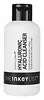
This cream cleanser uses mild cleansing ingredients, but contains alcohol that may feel drying for some.
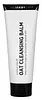
This oil-based makeup remover is made to dissolve makeup, sunscreen, and daily buildup.

What's inside
What's inside
 Key Ingredients
Benefits
Concerns
Ingredients Side-by-side
Water
Skin ConditioningGlycerin
Humectant


Coco-Glucoside
Cleansing
Betaine
Humectant
Cetearyl Alcohol
Emollient





Stearic Acid
Cleansing
Phenoxyethanol
Preservative
Benzyl Alcohol
Perfuming




Xanthan Gum
EmulsifyingAcrylates/C10-30 Alkyl Acrylate Crosspolymer
Emulsion StabilisingInulin
Skin Conditioning
Ethylhexylglycerin
Skin ConditioningSodium Hydroxide
BufferingDehydroacetic Acid
Preservative
Polyquaternium-10
Trisodium Ethylenediamine Disuccinate
ChelatingHydrolyzed Sodium Hyaluronate
Skin Conditioning
Sodium Hyaluronate
Humectant


Lecithin
Emollient
Water, Glycerin, Coco-Glucoside, Betaine, Cetearyl Alcohol, Stearic Acid, Phenoxyethanol, Benzyl Alcohol, Xanthan Gum, Acrylates/C10-30 Alkyl Acrylate Crosspolymer, Inulin, Ethylhexylglycerin, Sodium Hydroxide, Dehydroacetic Acid, Polyquaternium-10, Trisodium Ethylenediamine Disuccinate, Hydrolyzed Sodium Hyaluronate, Sodium Hyaluronate, Lecithin
Prunus Amygdalus Dulcis Oil
Skin Conditioning
Cetearyl Alcohol
Emollient
PEG-6 Caprylic/Capric Glycerides
EmulsifyingAvena Sativa Kernel Oil
Skin Conditioning
Candelilla Cera
Emollient
Silica
Abrasive


Sorbitan Stearate
Emulsifying
Tribehenin
Emollient
PEG-60 Almond Glycerides
Emulsifying
Avena Sativa Kernel Flour
Abrasive
Water
Skin ConditioningBenzyl Alcohol
Perfuming
Phenoxyethanol
Preservative
Lecithin
Emollient
1,2-Hexanediol
Skin Conditioning
Ascorbyl Palmitate
Antioxidant


Tocopherol
Antioxidant

Biosaccharide Gum-4
Skin Conditioning
Helianthus Annuus Seed Oil
Emollient
Prunus Amygdalus Dulcis Oil, Cetearyl Alcohol, PEG-6 Caprylic/Capric Glycerides, Avena Sativa Kernel Oil, Candelilla Cera, Silica, Sorbitan Stearate, Tribehenin, PEG-60 Almond Glycerides, Avena Sativa Kernel Flour, Water, Benzyl Alcohol, Phenoxyethanol, Lecithin, 1,2-Hexanediol, Ascorbyl Palmitate, Tocopherol, Biosaccharide Gum-4, Helianthus Annuus Seed Oil
Reviews
Ingredients Explained
These ingredients are found in both products.
Ingredients higher up in an ingredient list are typically present in a larger amount.
Benzyl Alcohol is an aromatic alcohol with several roles: it's a preservative, solvent, and mild fragrance component with a floral scent.
This ingredient has been deemed safe for use in cosmetic formulations at concentrations up to 5%, and up to 10% in hair dyes. You'll typically see 0.5-2% in most rinse-off or leave-on products.
As a preservative, it works by disrupting the membrane of microbial proteins. This helps keep bacteria and fungi from growing in your products.
The sensitization picture is actually quite assuring as well:of nearly 71,000 patients patch tested with benzyl alcohol, only 0.21% showed a positive reaction with most of them being weakly positive.
This led researchers to conclude that benzyl alcohol cannot be regarded as a significant contact allergen.
It is worth noting this ingredient is classified as one of the EU's regulated fragrance allergens and restricted to 1% in finished products.
Labels must also declare it in concentrations above 0.001% in leave-on products and 0.01% in rinse-off products.
At concentrations around 5%, localized redness and itching can appear as a direct irritant response and not as a true allergic reaction.
Learn more about Benzyl AlcoholCetearyl alcohol is a waxy mixture of two fatty alcohols: cetyl alcohol and stearyl alcohol. It is an emollient and emulsifier.
Despite having "alcohol" in its name, it has nothing to do with drying solvent alcohols; the FDA also allows "alcohol-free" products to contain fatty alcohols like this ingredient.
It plays several roles in a formula:
Typical use levels for this ingredient sit around 1-10% and the Cosmetic Ingredient Review Expert Panel has affirmed safety at concentrations up to 25% in leave-on products.
Multiple assessments have found it to be non-irritating and non-sensitizing to most people.
However, there have been some cases of allergic contact dermatitis in patients with chronically compromised skin barriers.
Cetearyl alcohol has a comedogenic rating of 2 and irritancy rating of 1. Both of these numbers come from the 1989 study that used rabbit ears; a "2" means mildly comedogenic and a "1" means low irritancy.
Here's the catch: rabbit skin is more sensitive than human skin and throws a lot of false positives. A 1996 reappraisal found that ingredients rated 1-2 in the rabbit ear tests are generally safe for humans.
Remember comedogenic ratings are unable to assess the entire formula of a product or how it will react on your skin. Just be sure to patch test if you are unsure about certain ingredients.
This ingredient is not fungal acne safe. Cetearyl alcohol is a fatty alcohol with chain lengths that fall within the range that Malassezia can metabolize.
A 2019 study has also observed Malassezia growth in the presence of this ingredient, confirming it to be not-fungal acne safe.
Learn more about Cetearyl AlcoholLecithin is a term for a group of substances found in the cell membranes of plants, animals, and humans. They are made up of phospholipids.
Thanks to its amphiphilic structure (water-loving head and oil-loving tail), it is a true multitasker:
It plays well with most ingredients and is typically used at 0.1-1%. However, concentrations up to 50% have been reported in moisturizers.
Learn more about LecithinPhenoxyethanol is one of the most widely used preservatives in skincare (and for good reason!).
It has a large spectrum of antimicrobial activity and especially effective bacteria, yeast, and mold while only having a weak effect on your skin's natural microbiome.
On a cellular level, it disrupts the cell membranes of microbes by poking holes that make the cell leak. This shuts down the chemical reactions the microbe needs to make energy so it can no longer survive.
Another perk of this ingredient is that it stays functional across a wide pH range (3-10).
You'll often see it paired with boosters like Ethylhexylglycerin; one study showed that a 1:9 ratio of Ethylhexylglycerin to Phenoxyethanol damages bacterial membranes as effectively as doubling the Phenoxyethanol concentration on its own.
Typical use concentrations range from 0.3-1% depending on the formula, and this ingredient is capped at 1% int the EU.
Safety-wise, the fear mongering does not hold up to the evidence. The EU's Scientific Committee on Consumer Safety and FDA consider it safe as a preservative at up to 1%, including for children of all ages.
Adverse systemic effects only showed up in animal studies at exposures roughly 200x higher than what people get from cosmetics. And despite its very widespread use, this ingredient is a rare sensitizer and allergic reactions are uncommon.
Learn more about PhenoxyethanolWater. It's the most common cosmetic ingredient of all. You'll usually see it at the top of ingredient lists, meaning that it makes up the largest part of the product.
So why is it so popular? Water most often acts as a solvent - this means that it helps dissolve other ingredients into the formulation.
You'll also recognize water as that liquid we all need to stay alive. If you see this, drink a glass of water. Remember to stay hydrated!
Learn more about Water

