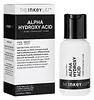
This brightening serum is formulated around Ascorbyl Glucoside to brighten dull-looking skin and fade the look of dark spots.
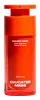
This brightening serum is formulated around Ascorbic Acid and Glutathione to brighten dull-looking skin and fade the look of dark spots.


What's inside
What's inside
 Key Ingredients
Benefits
Concerns
Ingredients Side-by-side
Water
Skin ConditioningPropanediol
Solvent

Vaccinium Myrtillus Fruit Extract
Skin ConditioningGlycerin
Humectant
Saccharum Officinarum Extract
MoisturisingAscorbyl Glucoside
Antioxidant



Sodium Hydroxide
BufferingSodium Hyaluronate 1%
Humectant

Citrus Aurantium Dulcis Fruit Extract
MaskingCitrus Limon Fruit Extract
Masking
Xanthan Gum
EmulsifyingAcer Saccharum Extract
Skin ConditioningSodium Benzoate
Masking
Allantoin
Skin Conditioning
Sodium Levulinate
Skin ConditioningPotassium Sorbate
Preservative
Sodium Anisate
AntimicrobialTrisodium Ethylenediamine Disuccinate
ChelatingWater, Propanediol, Vaccinium Myrtillus Fruit Extract, Glycerin, Saccharum Officinarum Extract, Ascorbyl Glucoside, Sodium Hydroxide, Sodium Hyaluronate 1%, Citrus Aurantium Dulcis Fruit Extract, Citrus Limon Fruit Extract, Xanthan Gum, Acer Saccharum Extract, Sodium Benzoate, Allantoin, Sodium Levulinate, Potassium Sorbate, Sodium Anisate, Trisodium Ethylenediamine Disuccinate
Water
Skin ConditioningGlycerin
Humectant
Ascorbic Acid
Antioxidant

Gold
Cosmetic ColorantGlutathione
Sodium Hyaluronate
Humectant
Hedychium Coronarium Root Extract
MaskingCitrus Aurantium Dulcis Fruit Extract
MaskingCitrus Limon Fruit Extract
Masking
Lactobacillus/Punica Granatum Fruit Ferment Extract
Antioxidant
Vaccinium Myrtillus Fruit/Leaf Extract
AstringentSaccharum Officinarum Extract
MoisturisingAcer Saccharum Extract
Skin ConditioningPseudoalteromonas Ferment Extract
Humectant

Lactic Acid
Buffering



Glycolic Acid
Buffering

Malic Acid
Buffering
Tartaric Acid
Buffering
Citric Acid
Buffering
Sorbitol
Humectant
Panthenol
Skin Conditioning
Allantoin
Skin Conditioning
Hydroxypropyl Methylcellulose
Emulsion StabilisingXanthan Gum
EmulsifyingSodium Hydroxide
BufferingAmmonium Acryloyldimethyltaurate/Vp Copolymer
Propanediol
Solvent
Glyceryl Caprylate
EmollientHydroxyacetophenone
Antioxidant
1,2-Hexanediol
Skin Conditioning
Titanium Dioxide
Cosmetic Colorant

Mica
Cosmetic ColorantWater, Glycerin, Ascorbic Acid, Gold, Glutathione, Sodium Hyaluronate, Hedychium Coronarium Root Extract, Citrus Aurantium Dulcis Fruit Extract, Citrus Limon Fruit Extract, Lactobacillus/Punica Granatum Fruit Ferment Extract, Vaccinium Myrtillus Fruit/Leaf Extract, Saccharum Officinarum Extract, Acer Saccharum Extract, Pseudoalteromonas Ferment Extract, Lactic Acid, Glycolic Acid, Malic Acid, Tartaric Acid, Citric Acid, Sorbitol, Panthenol, Allantoin, Hydroxypropyl Methylcellulose, Xanthan Gum, Sodium Hydroxide, Ammonium Acryloyldimethyltaurate/Vp Copolymer, Propanediol, Glyceryl Caprylate, Hydroxyacetophenone, 1,2-Hexanediol, Titanium Dioxide, Mica
Reviews
Ingredients Explained
These ingredients are found in both products.
Ingredients higher up in an ingredient list are typically present in a larger amount.
We don't have a description for Acer Saccharum Extract yet.
Allantoin is a soothing ingredient known for its protective and moisturizing properties; it's basically a quiet workhorse ingredient you can find in a huge range of cosmetics.
Though it can be derived from the comfrey plant, allantoin is produced synthetically for cosmetic products to ensure purity.
Research shows it can encourage your skin cells to turn over and renew by stimulating keratinocyte and fibroblast proliferation.
It also has mild keratolytic properties to help loosen and shed dead skin cells without being harsh.
Studies also suggest allantoin can help calm inflammation by dialing down some of the chemical signals your skin sends out when it is irritated.
This ingredient is typically used in the 0.1-0.5% range, and the FDA recognizes it as a skin protectant in OTC products up to 2%.
Overall, allantoin is a wonderful addition to most routines; it is stable across a wide pH range (~4-8), works well with other ingredients, and is considered non-sensitizing/non-irritating.
Fun fact: Allantoin is naturally occurring in comfrey root, beets, chamomile, and wheat sprouts. Our bodies even produce it as a byproduct of uric acid metabolism.
Learn more about AllantoinCitrus Aurantium Dulcis Fruit Extract is more commonly known as the bitter orange. Native to Southeast Asia, this extract is commonly found in both cosmetics and foods.
The bitter orange possesses antibacterial and antioxidant properties.
It can also be mildly exfoliating due to the citric acid, an AHA.
Citrus fruits are rich in flavonoids, alkaloids, and vitamin C.
Learn more about Citrus Aurantium Dulcis Fruit ExtractCitrus Limon Fruit Extract comes from lemons. While lemon extract is exfoliating and antimicrobial, it can also cause skin sensitivity.
Lemons contains antioxidants, which may help with anti-aging. They are also rich in citric acid, an AHA.
And of course, lemons are rich in Vitamin C. Vitamin C helps with skin-brightening and increasing collagen production.
The acidity of lemons may work as an astringent for acne.
However, lemons can also cause skin sensitivity due to its limonene content. It can also increase photosensitivity, or sensitivity to the sun.
This ingredient is also used to add a lemon scent to products.
Learn more about Citrus Limon Fruit ExtractGlycerin (or glycerol) is a compound naturally found in your skin. It's a powerhouse humectant that pulls water into the stratum corneum.
Topically, glycerin does several things at once:
Your skin makes glycerin on its own (mostly from sebaceous oil breakdown) and shuttles it to your outermost layer of skin, or your epidermis, via aquaporin-3.
Aquaporin-3 is a transporter that is essential for normal skin hydration, elasticity, and repair. Interestingly, mice lacking in AQP3 have dry and less elastic skin that can be fully corrected with glycerin.
This ingredient is non-irritating, plays well with almost every ingredient, and works across all skin types. Typical use is anywhere between 3-10% but can go up to 79% in some leave-on products.
Just know very high concentrations (>40%) can feel tacky in low humidity.
Glycerin is the name for this ingredient in American English. British English uses Glycerol/Glycerine.
Learn more about GlycerinPropanediol is an all-star ingredient. It softens, hydrates, and smooths the skin.
It’s often used to:
Propanediol is not likely to cause sensitivity and considered safe to use. It is derived from corn or petroleum with a clear color and no scent.
Learn more about PropanediolThis ingredient is also called sugarcane extract. It is a moisturizing humectant and has skin soothing properties.
Similar to hyaluronic acid, sugarcane can attract moisture to your skin.
Glycolic acid is a derivative of sugarcane. While glycolic acid is an AHA with exfoliating properties, sugarcane is not an AHA.
A study from 2021 found the compounds in sugarcane extract to have antioxidant, antimicrobial, and anti-inflammatory activity. The study also suggests these compounds can inhibit skin ageing enzymes and promote collagen synthesis.
Learn more about Saccharum Officinarum ExtractSodium Hyaluronate is the salt form of hyaluronic acid. It is a long sugar chain that is naturally found in your skin, joints, and connective tissue that maintains hydration and elasticity.
In skincare, it works as a humectant. It pulls water from the environment and deeper layers of skin and binds it to the surface.
Interestingly, the size of the molecule affects its behavior:
Some clinical evidence links low molecular weight versions to improved wrinkle depth, elasticity, anti-inflammatory effects, and barrier repair.
Many serums use a blend of both weights so you can get surface hydration plus longer-lasting and deeper effects.
You'll typically see concentrations between 0.1-2% for this ingredient.
Learn more about Sodium HyaluronateSodium Hydroxide is also known as lye or caustic soda. It is used to adjust the pH of products; many ingredients require a specific pH to be effective.
In small amounts, sodium hydroxide is considered safe to use. However, large amounts may cause chemical burns due to its high alkaline.
Your skin has a natural pH and acid mantle. This acid mantle helps prevent harmful bacteria from breaking through. The acid mantle also helps keep your skin hydrated.
"Alkaline" refers to a high pH level. A low pH level would be considered acidic.
Learn more about Sodium HydroxideWater. It's the most common cosmetic ingredient of all. You'll usually see it at the top of ingredient lists, meaning that it makes up the largest part of the product.
So why is it so popular? Water most often acts as a solvent - this means that it helps dissolve other ingredients into the formulation.
You'll also recognize water as that liquid we all need to stay alive. If you see this, drink a glass of water. Remember to stay hydrated!
Learn more about WaterXanthan gum is used as a stabilizer and thickener within cosmetic products. It helps give products a sticky, thick feeling - preventing them from being too runny.
On the technical side of things, xanthan gum is a polysaccharide - a combination consisting of multiple sugar molecules bonded together.
Xanthan gum is a pretty common and great ingredient. It is a natural, non-toxic, non-irritating ingredient that is also commonly used in food products.
Learn more about Xanthan Gum

