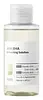
This smoothing exfoliator is formulated around Glycolic Acid and Salicylic Acid to refine skin texture and clear breakouts.
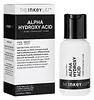
This brightening serum is formulated around Ascorbyl Glucoside to brighten dull-looking skin and fade the look of dark spots.


What's inside
What's inside
 Key Ingredients
Benefits
Concerns
Ingredients Side-by-side
Salix Alba Bark Water
Astringent
Butylene Glycol
Humectant

Dipropylene Glycol
HumectantGlycolic Acid 7%
Buffering











Tromethamine
BufferingWater
Skin ConditioningSalicylic Acid 2%
Masking



1,2-Hexanediol
Skin Conditioning
Sodium Citrate
BufferingArginine
Masking
Caprylyl Glycol
Emollient
Citric Acid 0.28%
Buffering
Hydroxyacetophenone
Antioxidant
Pentylene Glycol
Skin Conditioning
Allantoin
Skin Conditioning
Dipotassium Glycyrrhizate
Humectant
Disodium EDTA
ChelatingWater
Skin ConditioningPropanediol
Solvent
Vaccinium Myrtillus Fruit Extract
Skin ConditioningGlycerin
Humectant
Saccharum Officinarum Extract
MoisturisingAscorbyl Glucoside
Antioxidant
Sodium Hydroxide
BufferingSodium Hyaluronate 1%
Humectant
Citrus Aurantium Dulcis Fruit Extract
MaskingCitrus Limon Fruit Extract
Masking
Xanthan Gum
EmulsifyingAcer Saccharum Extract
Skin ConditioningSodium Benzoate
Masking
Allantoin
Skin Conditioning
Sodium Levulinate
Skin ConditioningPotassium Sorbate
Preservative
Sodium Anisate
AntimicrobialTrisodium Ethylenediamine Disuccinate
ChelatingWater, Propanediol, Vaccinium Myrtillus Fruit Extract, Glycerin, Saccharum Officinarum Extract, Ascorbyl Glucoside, Sodium Hydroxide, Sodium Hyaluronate 1%, Citrus Aurantium Dulcis Fruit Extract, Citrus Limon Fruit Extract, Xanthan Gum, Acer Saccharum Extract, Sodium Benzoate, Allantoin, Sodium Levulinate, Potassium Sorbate, Sodium Anisate, Trisodium Ethylenediamine Disuccinate
Ingredients Explained
These ingredients are found in both products.
Ingredients higher up in an ingredient list are typically present in a larger amount.
Allantoin is a soothing ingredient known for its protective and moisturizing properties; it's basically a quiet workhorse ingredient you can find in a huge range of cosmetics.
Though it can be derived from the comfrey plant, allantoin is produced synthetically for cosmetic products to ensure purity.
Research shows it can encourage your skin cells to turn over and renew by stimulating keratinocyte and fibroblast proliferation.
It also has mild keratolytic properties to help loosen and shed dead skin cells without being harsh.
Studies also suggest allantoin can help calm inflammation by dialing down some of the chemical signals your skin sends out when it is irritated.
This ingredient is typically used in the 0.1-0.5% range, and the FDA recognizes it as a skin protectant in OTC products up to 2%.
Overall, allantoin is a wonderful addition to most routines; it is stable across a wide pH range (~4-8), works well with other ingredients, and is considered non-sensitizing/non-irritating.
Fun fact: Allantoin is naturally occurring in comfrey root, beets, chamomile, and wheat sprouts. Our bodies even produce it as a byproduct of uric acid metabolism.
Learn more about AllantoinWater. It's the most common cosmetic ingredient of all. You'll usually see it at the top of ingredient lists, meaning that it makes up the largest part of the product.
So why is it so popular? Water most often acts as a solvent - this means that it helps dissolve other ingredients into the formulation.
You'll also recognize water as that liquid we all need to stay alive. If you see this, drink a glass of water. Remember to stay hydrated!
Learn more about Water

