
What's inside
What's inside
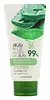 Key Ingredients
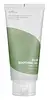
Benefits
Concerns
No concerns
Ingredients Side-by-side
Aloe Barbadensis Leaf Extract
Emollient


Alcohol Denat.
Antimicrobial




Glycerin
Humectant

Polysorbate 20
Emulsifying
Carbomer
Emulsion StabilisingTriethanolamine
BufferingBis-PEG-18 Methyl Ether Dimethyl Silane
EmollientGlyceryl Polyacrylate
Allantoin
Skin Conditioning
Betaine
Humectant
Sodium Polyacrylate
Absorbent
Caprylyl Glycol
Emollient
Ethylhexylglycerin
Skin ConditioningCitrus Paradisi Seed Extract
Masking
Artemisia Princeps Extract
Skin ConditioningButylene Glycol
Humectant
Polyglutamic Acid
Skin Conditioning
Lactobacillus/Aloe Barbadensis Ferment Filtrate
Skin ConditioningDipropylene Glycol
HumectantPentylene Glycol
Skin Conditioning
Morus Alba Bark Extract
Skin ConditioningGlycine Soja Seed Extract
Skin Conditioning
Chamomilla Recutita Flower/Leaf Extract
AntimicrobialRosmarinus Officinalis Leaf Extract
AntimicrobialLavandula Angustifolia Flower Extract
Cleansing
Ocimum Basilicum Leaf Extract
Skin ConditioningSalvia Officinalis Extract
Antimicrobial
Water
Skin ConditioningDisodium EDTA
Phenoxyethanol
Preservative
Parfum
Masking
Chlorphenesin
Antimicrobial
Limonene
Perfuming
Linalool
Perfuming
Butylphenyl Methylpropional
Perfuming
Aloe Barbadensis Leaf Extract, Alcohol Denat., Glycerin, Polysorbate 20, Carbomer, Triethanolamine, Bis-PEG-18 Methyl Ether Dimethyl Silane, Glyceryl Polyacrylate, Allantoin, Betaine, Sodium Polyacrylate, Caprylyl Glycol, Ethylhexylglycerin, Citrus Paradisi Seed Extract, Artemisia Princeps Extract, Butylene Glycol, Polyglutamic Acid, Lactobacillus/Aloe Barbadensis Ferment Filtrate, Dipropylene Glycol, Pentylene Glycol, Morus Alba Bark Extract, Glycine Soja Seed Extract, Chamomilla Recutita Flower/Leaf Extract, Rosmarinus Officinalis Leaf Extract, Lavandula Angustifolia Flower Extract, Ocimum Basilicum Leaf Extract, Salvia Officinalis Extract, Water, Disodium EDTA, Phenoxyethanol, Parfum, Chlorphenesin, Limonene, Linalool, Butylphenyl Methylpropional


Reviews
Ingredients Explained
These ingredients are found in both products.
Ingredients higher up in an ingredient list are typically present in a larger amount.
Allantoin is a soothing ingredient known for its protective and moisturizing properties; it's basically a quiet workhorse ingredient you can find in a huge range of cosmetics.
Though it can be derived from the comfrey plant, allantoin is produced synthetically for cosmetic products to ensure purity.
Research shows it can encourage your skin cells to turn over and renew by stimulating keratinocyte and fibroblast proliferation.
It also has mild keratolytic properties to help loosen and shed dead skin cells without being harsh.
Studies also suggest allantoin can help calm inflammation by dialing down some of the chemical signals your skin sends out when it is irritated.
This ingredient is typically used in the 0.1-0.5% range, and the FDA recognizes it as a skin protectant in OTC products up to 2%.
Overall, allantoin is a wonderful addition to most routines; it is stable across a wide pH range (~4-8), works well with other ingredients, and is considered non-sensitizing/non-irritating.
Fun fact: Allantoin is naturally occurring in comfrey root, beets, chamomile, and wheat sprouts. Our bodies even produce it as a byproduct of uric acid metabolism.
Learn more about AllantoinAloe Barbadensis Leaf Extract is an extract of the leaves of the aloe, Aloe barbadensis, Liliaceae.
Aloe is one of the most well-known natural soothing ingredients, and for good reason. It’s full of water and has a cooling, calming effect on the skin, especially when it’s sunburned, itchy, or irritated. Aloe also helps your skin stay hydrated and smooth by mimicking what healthy skin naturally produces. On top of that, it contains vitamins and nutrients that support skin recovery.
It doesn’t protect you from the sun, but it can help your skin bounce back after too much time in it.
Let’s get into the details:
Aloe contains antioxidant Vitamins A, C, and E, which help fight off free radicals (unstable molecules from things like pollution that can damage your skin).
It’s also rich in polysaccharides, which are natural sugars that help hydrate the skin by acting like the skin’s own moisturizing agents. These, along with other sugars like monosaccharides, help form a protective barrier that locks in moisture.
Aloe works as both a humectant and an emollient. That means it draws water into the skin (humectant) and helps trap it there (emollient), making it an effective natural moisturizer.
You’ll also find a mix of other skin-supporting ingredients in aloe, including folic acid, choline, calcium, amino acids, fatty acids, and even Vitamin B12.
Out of the 420+ species of aloe, Aloe barbadensis is the most widely used in skincare products thanks to its gentle yet effective properties.
There are over 420 species of aloe but Aloe Barbadensis is the most commonly used for topical products.
Learn more about Aloe Barbadensis Leaf ExtractBetaine is a humectant. Like hyaluronic acid, it helps attract and retain moisture in the skin. It’s known for being gentle and for helping the skin maintain balanced hydration.
Betaine is mainly used to improve hydration and support calmer skin. It helps skin cells regulate water balance because it functions as an osmolyte.
Some studies suggest betaine may support making skin tone more even.
Fun fact: Betaine naturally exists in the skin and the body. In cosmetic products, it can be either plant-derived (most commonly from sugar beets) or synthetically produced for consistency and stability.
Betaine is also known as trimethylglycine.
Learn more about BetaineButylene Glycol (or BG) is used within cosmetic products for a few different reasons:
Overall, Butylene Glycol is a safe and well-rounded ingredient that works well with other ingredients.
Though this ingredient works well with most skin types, some people with sensitive skin may experience a reaction such as allergic rashes, closed comedones, or itchiness.
Learn more about Butylene GlycolCarbomer is a high-molecular weight polymer of acrylic acid. It is used to form gels and thicken formulas.
Due to its large molecular size, carbomer has minimal skin penetration and is considered an inert ingredient.
A high amount of carbomer can cause pilling or balling up of products. Don't worry, most products contain 1% or less of carbomer.
Learn more about CarbomerEthylhexylglycerin is created from glycerin. It is a multitasker ingredient that:
The CIR Expert Panel found minimal skin absorption or sensitization of any kind in a safety assessment. Though this ingredient is considered well-tolerated, a small number of cases of allergic dermatitis have been published since 2002. Just be sure to patch test if you are unsure.
Industry-reported use ranges from 8% in rinse-off products and 2% in leave-on formulations.
Learn more about EthylhexylglycerinGlycerin (or glycerol) is a compound naturally found in your skin. It's a powerhouse humectant that pulls water into the stratum corneum.
Topically, glycerin does several things at once:
Your skin makes glycerin on its own (mostly from sebaceous oil breakdown) and shuttles it to your outermost layer of skin, or your epidermis, via aquaporin-3.
Aquaporin-3 is a transporter that is essential for normal skin hydration, elasticity, and repair. Interestingly, mice lacking in AQP3 have dry and less elastic skin that can be fully corrected with glycerin.
This ingredient is non-irritating, plays well with almost every ingredient, and works across all skin types. Typical use is anywhere between 3-10% but can go up to 79% in some leave-on products.
Just know very high concentrations (>40%) can feel tacky in low humidity.
Glycerin is the name for this ingredient in American English. British English uses Glycerol/Glycerine.
Learn more about GlycerinWater. It's the most common cosmetic ingredient of all. You'll usually see it at the top of ingredient lists, meaning that it makes up the largest part of the product.
So why is it so popular? Water most often acts as a solvent - this means that it helps dissolve other ingredients into the formulation.
You'll also recognize water as that liquid we all need to stay alive. If you see this, drink a glass of water. Remember to stay hydrated!
Learn more about Water
