Tarte Maracuja Creaseless Concealer Versus IT Cosmetics Bye Bye Under Eye Full Coverage Anti-Aging Waterproof Concealer

What's inside
What's inside
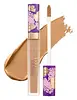 Key Ingredients
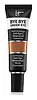
Benefits
Concerns
Ingredients Side-by-side
Caprylic/Capric Triglyceride
Masking


Bis-Diglyceryl Polyacyladipate-2
Emollient

Cetyl Alcohol
Emollient
Vp/Hexadecene Copolymer
Silica Dimethyl Silylate
EmollientAluminum Hydroxide
EmollientAscorbyl Palmitate
Antioxidant



Passiflora Edulis Seed Oil
Emollient
Tocopherol
Antioxidant



Cera Microcristallina
Emulsion StabilisingPhenoxyethanol
Preservative
Tocopheryl Acetate
Antioxidant
Caprylyl Glycol
Emollient
Kaolin
Abrasive



CI 77891
Cosmetic ColorantIron Oxides
Caprylic/Capric Triglyceride, Bis-Diglyceryl Polyacyladipate-2, Cetyl Alcohol, Vp/Hexadecene Copolymer, Silica Dimethyl Silylate, Aluminum Hydroxide, Ascorbyl Palmitate, Passiflora Edulis Seed Oil, Tocopherol, Cera Microcristallina, Phenoxyethanol, Tocopheryl Acetate, Caprylyl Glycol, Kaolin, CI 77891, Iron Oxides
Paraffinum Liquidum
Emollient

Petrolatum
Emollient
Vp/Hexadecene Copolymer
Silica Dimethyl Silylate
EmollientBis-Diglyceryl Polyacyladipate-2
Emollient
Ozokerite
Emulsion StabilisingPhenoxyethanol
Preservative
Tocopheryl Acetate
Antioxidant
Aluminum Hydroxide
EmollientKaolin
Abrasive
Niacinamide
Smoothing


Sodium Hyaluronate
Humectant
Magnesium Ascorbyl Phosphate
Antioxidant
Ascorbyl Palmitate
Antioxidant
Hydrolyzed Collagen
Emollient
Water
Skin ConditioningTocopherol
Antioxidant
Glycerin
Humectant
Steareth-20
CleansingChlorhexidine Digluconate
Antimicrobial
N-Hydroxysuccinimide
Skin ConditioningSodium Citrate
BufferingPotassium Sorbate
Preservative
Palmitoyl Tripeptide-1
Skin Conditioning
Chrysin
Skin ConditioningPalmitoyl Tetrapeptide-7
Skin Conditioning
Citric Acid
Buffering
Biotin
AntiseborrhoeicParaffinum Liquidum, Petrolatum, Vp/Hexadecene Copolymer, Silica Dimethyl Silylate, Bis-Diglyceryl Polyacyladipate-2, Ozokerite, Phenoxyethanol, Tocopheryl Acetate, Aluminum Hydroxide, Kaolin, Niacinamide, Sodium Hyaluronate, Magnesium Ascorbyl Phosphate, Ascorbyl Palmitate, Hydrolyzed Collagen, Water, Tocopherol, Glycerin, Steareth-20, Chlorhexidine Digluconate, N-Hydroxysuccinimide, Sodium Citrate, Potassium Sorbate, Palmitoyl Tripeptide-1, Chrysin, Palmitoyl Tetrapeptide-7, Citric Acid, Biotin
Reviews
Ingredients Explained
These ingredients are found in both products.
Ingredients higher up in an ingredient list are typically present in a larger amount.
Aluminum Hydroxide is a form of aluminum. It can be naturally found in nature as the mineral gibbsite. In cosmetics, Aluminum Hydroxide is used as a colorant, pH adjuster, and absorbent.
As a colorant, Aluminum Hydroxide may add opacity, or reduce the transparency. Aluminum hydroxide is contains both basic and acidic properties.
According to manufacturers, this ingredient is an emollient and humectant. This means it helps hydrate the skin.
In medicine, this ingredient is used to help relieve heartburn and help heal ulcers.
There is currently no credible scientific evidence linking aluminum hydroxide in cosmetics to increased cancer risk.
Major health organizations allow the use of aluminum hydroxide in personal care products and have not flagged it as a carcinogenic risk at typical usage levels.
Learn more about Aluminum HydroxideAscorbyl Palmitate is a fat-soluble form of vitamin C (Ascorbic Acid) made by combining it with palmitic acid.
It is able to blend easily into creams and oil-based formulas because it dissolves in oils rather than water.
As you may know, regular vitamin C is notorious for breaking down when exposed to sunlight and air. Ascorbyl Palmitate is more stable and degrades at a slower rate.
Research on whether it converts efficiently into active vitamin C once it's applied on your skin is still limited.
Some in-vitro studies suggest it may support collagen production, but it is not considered one of the stronger vitamin C derivatives, like:
Due to the palmitic acid base, this ingredient may not be fungal acne safe. Comedogenic studies have also shown this ingredient to have a rating of 2.
It's also worth keeping in mind that comedogenic and irritancy ratings are tested on individual ingredients, not finished formulas. The final product's formulation, concentration, and other ingredients all play a role in how something actually behaves on your skin.
Learn more about Ascorbyl PalmitateBis-Diglyceryl Polyacyladipate-2 is a synthetic emollient that works as a lanolin substitute.
This ingredient is a great vegan option for those avoiding animal-derived ingredients.
It mostly stays on the surface of skin where it helps hydrate due to its large molecular size and low water solubility.
Due to it being derived from fatty acids, this ingredient may not be Malassezia or fungal acne safe.
Learn more about Bis-Diglyceryl Polyacyladipate-2Kaolin is a clay. It is used for oil control and to help minimize pores. Like other clays, kaolin has the ability to absorb excess sebum or oil. This can help clean out pores and mattify the skin.
Some types of kaolin may have exfoliating properties. When water is added to kaolin, it becomes a paste with small abrasive particles.
Most kaolin is a white color, but may be pink/orange/red depending on where it comes from.
The name 'kaolin' comes from a Chinese village named 'Gaoling'. Kaolin clay comes from rocks rich in kaolinite. Kaolinite, the mineral, has a silicate layered structure. Kaolinite is formed from chemical weathering of aluminum siilicate minerals.
Besides skincare, kaolin is commonly used to make glossy paper, in ceramics, toothpaste, and as medicine to soothe stomach issues.
Learn more about KaolinPhenoxyethanol is one of the most widely used preservatives in skincare (and for good reason!).
It has a large spectrum of antimicrobial activity and especially effective bacteria, yeast, and mold while only having a weak effect on your skin's natural microbiome.
On a cellular level, it disrupts the cell membranes of microbes by poking holes that make the cell leak. This shuts down the chemical reactions the microbe needs to make energy so it can no longer survive.
Another perk of this ingredient is that it stays functional across a wide pH range (3-10).
You'll often see it paired with boosters like Ethylhexylglycerin; one study showed that a 1:9 ratio of Ethylhexylglycerin to Phenoxyethanol damages bacterial membranes as effectively as doubling the Phenoxyethanol concentration on its own.
Typical use concentrations range from 0.3-1% depending on the formula, and this ingredient is capped at 1% int the EU.
Safety-wise, the fear mongering does not hold up to the evidence. The EU's Scientific Committee on Consumer Safety and FDA consider it safe as a preservative at up to 1%, including for children of all ages.
Adverse systemic effects only showed up in animal studies at exposures roughly 200x higher than what people get from cosmetics. And despite its very widespread use, this ingredient is a rare sensitizer and allergic reactions are uncommon.
Learn more about PhenoxyethanolThis silica is mainly used to thicken oils and suspend particles in oils. It is not water soluble.
According to the manufacturer, it:
The manufacturer also claims this ingredient to be useful in makeup.
In lipstick formulations, this ingredient improves color payoff, reduces pigment settling, and reduces oil bleeding. This ingredient also improves the grip of powder products such as dry shampoos.
Learn more about Silica Dimethyl SilylateTocopherol is a fat-soluble antioxidant known as Vitamin E.
You'll find this ingredient in the vast majority of skincare (for good reason). It works to neutralize free radicals, or unstable molecules generated by UV exposure, pollution, and other environmental stressors, before they can cause oxidative damage to your skin cells.
Topically applied tocopherol has been shown to protect against UV damage by ramping up the skin's own natural defense enzymes.
It also acts as a skin conditioning agent; some studies show that regular topical use can improve the skin's water-binding capacity over 2-4 weeks.
This ingredient is especially loved for being a team player. When combined with Vitamin C, the photoprotective effect of both ingredients roughly doubles and the combo also helps reduce UV-induced DNA damage.
This ingredient has some brightening potential but it's more of a prevention ingredient than spot-fader. Cell studies show it can slow down melanin production but it's worth noting that it's not the most powerful brightener out there.
In formulations, it also serves as a stabilizer that helps protect other oxidation-prone ingredients from degrading.
Concentrations usually range from 0.1-1% in most leave-on products.
Learn more about TocopherolTocopheryl Acetate is a stable, shelf-friendly form of vitamin E.
Formulators love it because plain vitamin E oxidizes quickly once it hits air. This acetate version stays stable and resists going off, helping to extend a product's shelf life.
It's actually inactive on its own and works like a slow-release "storage" form; the enzymes in your skin called esterases gradually convert it into active vitamin E over time.
One in vivo study showed 5% of the acetate in the living layer of the epidermis converted to vitamin E after 5 days of application. This study also found the skin gained protection against UV damage even though the conversion was slow and small.
Once converted, vitamin E acts as a skin's main fat-soluble antioxidant that fights free radicals to protect skin from damage.
Topical vitamin E generally boosts the skin's photoprotection, and it reduced UV-damage in animal models.
This ingredient has some brightening potential but it's more of a prevention ingredient than spot-fader. Cell studies show it can slow down melanin production but it's worth noting that it's not the most powerful brightener out there.
Overall, it has a pretty solid safety profile and has been found to be non-irritating and non-comedogenic. Allergic reactions may happen but stay rare due to how widely the ingredient gets used.
The concentration will vary depending on the formula; industry data shows 0.1% in baby lotions, 3% in lipsticks, and 5% in foot powders. You can also find this ingredient at 100% in a pure vitamin E oil.
Most leave-on skincare keeps it at the lower end, often between 0.5-1%.
Learn more about Tocopheryl AcetateVP/Hexadecene Copolymer is a synthetic film-forming agent. It has both water and oil loving properties, allowing it to create a flexible, even film on the skin.
This ingredient helps enhance texture, smoothness, and wear resistance in makeup products while reducing tackiness.


