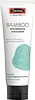
This smoothing exfoliator is formulated around Oryza Sativa Bran to refine skin texture.
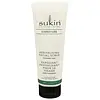
This exfoliator is formulated around Aloe Barbadensis Leaf Juice to hydrate and calm irritation.

What's inside
What's inside
 Key Ingredients
Benefits
Concerns
Ingredients Side-by-side
Oryza Sativa Bran Water
Masking
Glycerin
Humectant


Oryza Sativa Bran
Abrasive

Bambusa Arundinacea Stem Powder
Abrasive
Zea Mays Starch
Absorbent
Coco-Glucoside
Cleansing
Xanthan Gum
EmulsifyingJuglans Regia Shell Powder
Abrasive
Prunus Amygdalus Dulcis Oil
Skin Conditioning




Hamamelis Virginiana Flower Water
AstringentVaccinium Myrtillus Fruit/Leaf Extract
AstringentSaccharum Officinarum Extract
MoisturisingCitrus Aurantium Dulcis Fruit Extract
MaskingCitrus Medica Limonum Fruit Extract
Skin ConditioningAcer Saccharum Extract
Skin ConditioningPunica Granatum Fruit Extract
Antioxidant


Citrus Grandis Seed Extract
Astringent
Silybum Marianum Extract
Skin Conditioning
Commiphora Myrrha Oil
Masking
Citrus Grandis Peel Oil
Masking

Citrus Aurantium Bergamia Fruit Oil
Masking
Fusanus Spicatus Wood Oil
Masking
Vanilla Planifolia Fruit Extract
Skin Conditioning
Cedrus Atlantica Bark Oil
Masking
Anthemis Nobilis Flower Oil
Masking
Citric Acid
Buffering

Cocamidopropyl Betaine
Cleansing
Dehydroacetic Acid
Preservative
Benzyl Alcohol
Perfuming

Oryza Sativa Bran Water, Glycerin, Oryza Sativa Bran, Bambusa Arundinacea Stem Powder, Zea Mays Starch, Coco-Glucoside, Xanthan Gum, Juglans Regia Shell Powder, Prunus Amygdalus Dulcis Oil, Hamamelis Virginiana Flower Water, Vaccinium Myrtillus Fruit/Leaf Extract, Saccharum Officinarum Extract, Citrus Aurantium Dulcis Fruit Extract, Citrus Medica Limonum Fruit Extract, Acer Saccharum Extract, Punica Granatum Fruit Extract, Citrus Grandis Seed Extract, Silybum Marianum Extract, Commiphora Myrrha Oil, Citrus Grandis Peel Oil, Citrus Aurantium Bergamia Fruit Oil, Fusanus Spicatus Wood Oil, Vanilla Planifolia Fruit Extract, Cedrus Atlantica Bark Oil, Anthemis Nobilis Flower Oil, Citric Acid, Cocamidopropyl Betaine, Dehydroacetic Acid, Benzyl Alcohol
Water
Skin ConditioningAloe Barbadensis Leaf Juice
Skin Conditioning
Sesamum Indicum Seed Oil
Emollient
Cetearyl Alcohol
Emollient

Cetyl Alcohol
Emollient
Ceteareth-20
Cleansing
Bambusa Arundinacea Stem Extract
Skin ConditioningJuglans Regia Shell Powder
Abrasive
Glycerin
Humectant
Simmondsia Chinensis Seed Oil
Emollient
Rosa Canina Fruit Oil
Emollient
Chamomilla Recutita Flower Extract
Masking
Arctium Lappa Root Extract
Skin Conditioning
Tocopherol
Antioxidant

Citrus Tangerina Peel Oil
Masking
Citrus Nobilis Peel Oil
Masking
Lavandula Angustifolia Oil
Masking
Vanillin
Masking
Vanilla Planifolia Fruit Extract
Skin Conditioning
Citric Acid
Buffering
Phenoxyethanol
Preservative
Benzyl Alcohol
Perfuming
Linalool
Perfuming
Limonene
Perfuming
Water, Aloe Barbadensis Leaf Juice, Sesamum Indicum Seed Oil, Cetearyl Alcohol, Cetyl Alcohol, Ceteareth-20, Bambusa Arundinacea Stem Extract, Juglans Regia Shell Powder, Glycerin, Simmondsia Chinensis Seed Oil, Rosa Canina Fruit Oil, Chamomilla Recutita Flower Extract, Arctium Lappa Root Extract, Tocopherol, Citrus Tangerina Peel Oil, Citrus Nobilis Peel Oil, Lavandula Angustifolia Oil, Vanillin, Vanilla Planifolia Fruit Extract, Citric Acid, Phenoxyethanol, Benzyl Alcohol, Linalool, Limonene
Alternatives
Ingredients Explained
These ingredients are found in both products.
Ingredients higher up in an ingredient list are typically present in a larger amount.
Benzyl Alcohol is an aromatic alcohol with several roles: it's a preservative, solvent, and mild fragrance component with a floral scent.
This ingredient has been deemed safe for use in cosmetic formulations at concentrations up to 5%, and up to 10% in hair dyes. You'll typically see 0.5-2% in most rinse-off or leave-on products.
As a preservative, it works by disrupting the membrane of microbial proteins. This helps keep bacteria and fungi from growing in your products.
The sensitization picture is actually quite assuring as well:of nearly 71,000 patients patch tested with benzyl alcohol, only 0.21% showed a positive reaction with most of them being weakly positive.
This led researchers to conclude that benzyl alcohol cannot be regarded as a significant contact allergen.
It is worth noting this ingredient is classified as one of the EU's regulated fragrance allergens and restricted to 1% in finished products.
Labels must also declare it in concentrations above 0.001% in leave-on products and 0.01% in rinse-off products.
At concentrations around 5%, localized redness and itching can appear as a direct irritant response and not as a true allergic reaction.
Learn more about Benzyl AlcoholCitric Acid is an alpha hydroxy acid (AHA) naturally found in citrus fruits like oranges, lemons, and limes.
Like other AHAs, citric acid can exfoliate skin by breaking down the bonds that hold dead skin cells together. This helps reveal smoother and brighter skin underneath.
However, this exfoliating effect only happens at high concentrations (20%) which can be hard to find in cosmetic products.
Due to this, citric acid is usually included in small amounts as a pH adjuster. This helps keep products slightly more acidic and compatible with skin's natural pH.
In skincare formulas, citric acid can:
While it can provide some skin benefits, research shows lactic acid and glycolic acid are generally more effective and less irritating exfoliants.
Most citric acid used in skincare today is made by fermenting sugars (usually from molasses). This synthetic version is identical to the natural citrus form but easier to stabilize and use in formulations.
Rosacea skin has a lower threshold for acids generally, with 62.5% of rosacea subjects in one study reacting to lactic acid in a sting test. This is why we mark citric acid as a potential rosacea trigger.
However, this ingredient shows up as a pH adjuster or chelator at roughly 0.1-1% in many products. These low levels are unlikely to be an issue for rosacea skin and becomes a potential trigger at exfoliating concentrations (20%). Because everybody's skin is unique, we recommend a patch test if you are unsure.
Learn more about Citric AcidGlycerin (or glycerol) is a compound naturally found in your skin. It's a powerhouse humectant that pulls water into the stratum corneum.
Topically, glycerin does several things at once:
Your skin makes glycerin on its own (mostly from sebaceous oil breakdown) and shuttles it to your outermost layer of skin, or your epidermis, via aquaporin-3.
Aquaporin-3 is a transporter that is essential for normal skin hydration, elasticity, and repair. Interestingly, mice lacking in AQP3 have dry and less elastic skin that can be fully corrected with glycerin.
This ingredient is non-irritating, plays well with almost every ingredient, and works across all skin types. Typical use is anywhere between 3-10% but can go up to 79% in some leave-on products.
Just know very high concentrations (>40%) can feel tacky in low humidity.
Glycerin is the name for this ingredient in American English. British English uses Glycerol/Glycerine.
Learn more about GlycerinYou might know this ingredient as walnut shell powder. It is an abrasive used as a physical exfoliator.
Abrasives are physical exfoliants used to get rid of dead cell buildup on your skin. Physical exfoliators have a bad reputation due to the myth that they give your face tiny cuts. This is untrue.
Like any exfoliant, using this ingredient can disrupt your skin barrier. This can lead to breakouts, irritation, and dryness. It is critical to be gentle when using any type of exfoliator.
If you want to use a chemical exfoliator instead, check out glycolic acid.
Learn more about Juglans Regia Shell PowderVanilla Planifolia Fruit Extract comes from the vanilla orchid native to central America. It is a skin-soothing ingredient.
This ingredient is skin-soothing and contains polyphenols that give it antioxidant properties.
This ingredient is not known to sensitize or irritate skin (unlike Vanilla Tahitensis). Vanilla tahitensis has shown to irritate skin in low amounts.
Learn more about Vanilla Planifolia Fruit Extract

