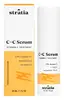
This anti-aging serum is formulated around Ascorbic Acid and Ascorbyl Tetraisopalmitate to soften the look of wrinkles and fade the look of dark spots.
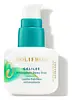
This hydrating serum is formulated around Aloe Barbadensis Leaf Juice and Squalane to hydrate skin and soften the look of wrinkles.

What's inside
What's inside
 Key Ingredients
Benefits
Concerns
Ingredients Side-by-side


Aloe Barbadensis Leaf Juice
Skin Conditioning


Squalane
Emollient

Glycerin
Humectant
Sclerocarya Birrea Seed Oil
Humectant




Simmondsia Chinensis Seed Oil
Emollient
Water
Skin ConditioningPrunus Armeniaca Kernel Oil
Masking
Niacinamide
Smoothing






Panthenol
Skin Conditioning
Avena Sativa Bran Extract
Abrasive
Ubiquinone
Antioxidant
Lonicera Japonica Flower Extract
Skin ConditioningLycium Barbarum Fruit Extract
Astringent
Thioctic Acid
Antioxidant
Potassium Azeloyl Diglycinate
Skin Conditioning
Superoxide Dismutase
Antioxidant
Oryza Sativa Extract
Absorbent
Camellia Sinensis Leaf Extract
Antimicrobial
Sodium Hyaluronate
Humectant
Tocopheryl Acetate
Antioxidant
Leuconostoc Ferment Filtrate
AntimicrobialSoybean Peroxidase
Antioxidant
Xanthan Gum
EmulsifyingMaltodextrin
Absorbent
Citrus Aurantium Dulcis Peel Extract
Emulsion Stabilising
Phenethyl Alcohol
MaskingEthylhexylglycerin
Skin ConditioningAloe Barbadensis Leaf Juice, Squalane, Glycerin, Sclerocarya Birrea Seed Oil, Simmondsia Chinensis Seed Oil, Water, Prunus Armeniaca Kernel Oil, Niacinamide, Panthenol, Avena Sativa Bran Extract, Ubiquinone, Lonicera Japonica Flower Extract, Lycium Barbarum Fruit Extract, Thioctic Acid, Potassium Azeloyl Diglycinate, Superoxide Dismutase, Oryza Sativa Extract, Camellia Sinensis Leaf Extract, Sodium Hyaluronate, Tocopheryl Acetate, Leuconostoc Ferment Filtrate, Soybean Peroxidase, Xanthan Gum, Maltodextrin, Citrus Aurantium Dulcis Peel Extract, Phenethyl Alcohol, Ethylhexylglycerin
Reviews
Ingredients Explained
These ingredients are found in both products.
Ingredients higher up in an ingredient list are typically present in a larger amount.
Squalane is the hydrogenated and shelf-stable form of squalene (a lipid that naturally occurs in human sebum).
It is an emollient and skin conditioning agent that is able to integrate seamlessly into the skin's lipid barrier without clogging pores.
This is due to how structurally similar it is to what your skin already produces.
Though it is mostly an emollient that helps soften and hydrate skin, it also has some humectant and occlusive action. Humectants help the skin retain moisture while occlusives seal it in, making squalane a triple-threat moisturizer.
Research shows it has antioxidant capabilities that help protect against stressors like UV exposure, specifically UVA induced oxidative stress. This study also found that it supports collagen biosynthesis in human dermal fibroblasts.
No clinical study has reported significant adverse effects and irritation reactions are very rare from this ingredient (even at 100% concentration).
Overall, it's a fantastic ingredient for hydration and is suitable for all skin types.
This depends on the source. Squalane can be derived from both plants and animals. Most squalane used in skincare comes from plants.
Please note: the source of squalane is only known if disclosed by the brand. We recommend reaching out to the brand if you have any questions about their squalane.
Read more about squalene with an "e".
Though squalane is often called an oil, it’s technically not one. It is a hydrocarbon, meaning it is only made of carbon and hydrogen. True oils are triglycerides and made of fatty acids and glycerol.
The term “oil-free” isn’t regulated so companies can define it however they want. Some exclude all oils, while others just avoid mineral oil or comedogenic oils.
Squalane has a comedogenic rating of 1 from the original 1972 study that tested raw ingredients under occlusion on rabbit ears. This system is not standardized or peer-reviewed, and using the raw ingredients is very different from how diluted cosmetic formulations are used on human skin.
A comedogenic rating of 1 means it is "unlikely to clog pores" according to the original rating system.
The overall formula of a product matters more than the individual ingredients on whether or not it will cause clogged pores.
Learn more about SqualaneUbiquinone (Coenzyme Q10) is a molecule already found in our bodies. It is a potent antioxidant and skin-soothing ingredient.
Aging and environmental exposure diminishes our skin's natural ubiquinone levels. This is much like our natural collagen and elastin.
The good news is: studies show applying this ingredient topically replenishes ubiquinone levels in our skin. This also comes with a ton of skin benefits. These benefits include:
Ubiquinone is considered a large molecule and cannot be absorbed into the lower layers of skin. This is why it is believed to be such an effective antioxidant: it protects our skin in the upper layers and prevents damage in the deeper layers.
When used in sunscreen, ubiquinone is shown to increase ingredient stability, increase SPF factor, and add to infrared protection.
Fun fact: ubiquinone is fat-soluble.
Learn more about Ubiquinone

