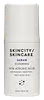
This acne serum is formulated around Azelaic Acid and Centella Asiatica Flower/Leaf/Stem Extract to clear breakouts and calm redness.
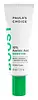
This calming treatment is formulated around Azelaic Acid and Salicylic Acid to calm redness and fade the look of dark spots.


What's inside
What's inside
 Key Ingredients
Benefits
Concerns
Ingredients Side-by-side
Water
Skin ConditioningAzelaic Acid
Buffering









Isopropyl Isostearate
Emollient




Glycerin
Humectant

Centella Asiatica Flower/Leaf/Stem Extract
Skin Conditioning
Triticum Monococcum Stem Water
Phenoxyethanol
Preservative
Sclerotium Gum
Emulsion StabilisingLysolecithin
EmulsifyingButylene Glycol
Humectant
Xanthan Gum
EmulsifyingPullulan
Glycyrrhiza Glabra Root Extract
Bleaching
PEG-40 Hydrogenated Castor Oil
Emulsifying
Bisabolol
Antioxidant
Ganoderma Lucidum Extract
Skin Protecting
Ethylhexylglycerin
Skin ConditioningSilica
Abrasive
Propanediol
Solvent
Biosaccharide Gum-1
Humectant
Caprylyl Glycol
Emollient
1,2-Hexanediol
Skin Conditioning
Citric Acid
Buffering
Sodium Benzoate
Masking
Potassium Sorbate
Preservative
Water, Azelaic Acid, Isopropyl Isostearate, Glycerin, Centella Asiatica Flower/Leaf/Stem Extract, Triticum Monococcum Stem Water, Phenoxyethanol, Sclerotium Gum, Lysolecithin, Butylene Glycol, Xanthan Gum, Pullulan, Glycyrrhiza Glabra Root Extract, PEG-40 Hydrogenated Castor Oil, Bisabolol, Ganoderma Lucidum Extract, Ethylhexylglycerin, Silica, Propanediol, Biosaccharide Gum-1, Caprylyl Glycol, 1,2-Hexanediol, Citric Acid, Sodium Benzoate, Potassium Sorbate
Water
Skin ConditioningAzelaic Acid
Buffering
C12-15 Alkyl Benzoate
AntimicrobialCaprylic/Capric Triglyceride
Masking
Methyl Glucose Sesquistearate
Emollient
Glycerin
Humectant
Cetearyl Alcohol
Emollient
Glyceryl Stearate
Emollient
Dimethicone
Emollient
Salicylic Acid
Masking


Adenosine
Skin Conditioning
Glycyrrhiza Glabra Root Extract
Bleaching
Boerhavia Diffusa Root Extract
Skin Protecting
Allantoin
Skin Conditioning
Bisabolol
Antioxidant
Cyclopentasiloxane
Emollient
Xanthan Gum
EmulsifyingSclerotium Gum
Emulsion StabilisingPropanediol
Solvent
Butylene Glycol
Humectant
Phenoxyethanol
Preservative
Water, Azelaic Acid, C12-15 Alkyl Benzoate, Caprylic/Capric Triglyceride, Methyl Glucose Sesquistearate, Glycerin, Cetearyl Alcohol, Glyceryl Stearate, Dimethicone, Salicylic Acid, Adenosine, Glycyrrhiza Glabra Root Extract, Boerhavia Diffusa Root Extract, Allantoin, Bisabolol, Cyclopentasiloxane, Xanthan Gum, Sclerotium Gum, Propanediol, Butylene Glycol, Phenoxyethanol
Reviews
Ingredients Explained
These ingredients are found in both products.
Ingredients higher up in an ingredient list are typically present in a larger amount.
Azelaic acid is a multitasker ingredient that helps treat acne, pigmentation, and irritation. It is a great option for sensitive skin.
What makes it special?
OTC Azelaic acid is usually available in concentrations from 10-15% and anything over requires a prescription.
Here's what each tier does best:
Unlike other acids, azelaic acid will not make your skin more photosensitive/sun sensitive.
Though this ingredient is naturally occurring in grains like wheat, rye, and barley, it is usually synthetically created for cosmetics to ensure stability and effectiveness.
Learn more about Azelaic AcidBisabolol is a gentle skin conditioner, antioxidant, and soothing ingredient.
It's primary claim to fame is soothing and research shows topically applied bisabolol can quiet the chemical messengers that cause your skin to become inflamed, helping to sooth any irritation.
A clinical study found that applying 0.5% bisabolol daily for 8 weeks produced an average 9% decrease in skin pigmentation. Researchers found it can also suppress the process that leads to excess melanin production in skin.
In vitro studies found that bisabolol combined with propylene glycol significantly increased skin permeability by increasing lipid fluidity in the stratum corneum.
You'll likely see use concentrations quite low, usually 0.1-0.2%.
Overall, this is a well-tolerated ingredient that works well in formulas designed for sensitive, reactive, or post-procedure skin.
Learn more about BisabololButylene Glycol (or BG) is used within cosmetic products for a few different reasons:
Overall, Butylene Glycol is a safe and well-rounded ingredient that works well with other ingredients.
Though this ingredient works well with most skin types, some people with sensitive skin may experience a reaction such as allergic rashes, closed comedones, or itchiness.
Learn more about Butylene GlycolGlycerin (or glycerol) is a compound naturally found in your skin. It's a powerhouse humectant that pulls water into the stratum corneum.
Topically, glycerin does several things at once:
Your skin makes glycerin on its own (mostly from sebaceous oil breakdown) and shuttles it to your outermost layer of skin, or your epidermis, via aquaporin-3.
Aquaporin-3 is a transporter that is essential for normal skin hydration, elasticity, and repair. Interestingly, mice lacking in AQP3 have dry and less elastic skin that can be fully corrected with glycerin.
This ingredient is non-irritating, plays well with almost every ingredient, and works across all skin types. Typical use is anywhere between 3-10% but can go up to 79% in some leave-on products.
Just know very high concentrations (>40%) can feel tacky in low humidity.
Glycerin is the name for this ingredient in American English. British English uses Glycerol/Glycerine.
Learn more about GlycerinGlycyrrhiza Glabra Root Extract is an extract of the roots of Licorice. It has been found to have several benefits such as skin hydrating, conditioning, and soothing.
One component, glabridin, has extra potent antioxidant and soothing properties. It has also been found to block pigmentation from UVB rays in guinea pigs.
Licorice Root also contains a flavonoid. Flavonoids are a natural substance from in plants. Flavonoids also have antioxidant properties.
Another component, glycyrrhizin, has been found to have anti-inflammatory and antimicrobial benefits. This may make licorice root extract effective at treating acne. However, more research is needed to support this.
Liquiritin is one of the flavone compounds found in licorice. It has been found to help lighten skin by preventing tyrosinase from reacting with tyrosine. When the two react, protein is converted to melanin. Melanin is the substance in your body that gives your features pigmentation.
Learn more about Glycyrrhiza Glabra Root ExtractPhenoxyethanol is one of the most widely used preservatives in skincare (and for good reason!).
It has a large spectrum of antimicrobial activity and especially effective bacteria, yeast, and mold while only having a weak effect on your skin's natural microbiome.
On a cellular level, it disrupts the cell membranes of microbes by poking holes that make the cell leak. This shuts down the chemical reactions the microbe needs to make energy so it can no longer survive.
Another perk of this ingredient is that it stays functional across a wide pH range (3-10).
You'll often see it paired with boosters like Ethylhexylglycerin; one study showed that a 1:9 ratio of Ethylhexylglycerin to Phenoxyethanol damages bacterial membranes as effectively as doubling the Phenoxyethanol concentration on its own.
Typical use concentrations range from 0.3-1% depending on the formula, and this ingredient is capped at 1% int the EU.
Safety-wise, the fear mongering does not hold up to the evidence. The EU's Scientific Committee on Consumer Safety and FDA consider it safe as a preservative at up to 1%, including for children of all ages.
Adverse systemic effects only showed up in animal studies at exposures roughly 200x higher than what people get from cosmetics. And despite its very widespread use, this ingredient is a rare sensitizer and allergic reactions are uncommon.
Learn more about PhenoxyethanolPropanediol is an all-star ingredient. It softens, hydrates, and smooths the skin.
It’s often used to:
Propanediol is not likely to cause sensitivity and considered safe to use. It is derived from corn or petroleum with a clear color and no scent.
Learn more about PropanediolSclerotium Gum is a natural sugar-based fiber made by fermenting a fungus called Sclerotium rolfsii. It's often used as the plant-friendly alternative for synthetic thickeners like carbomer.
In skincare, it works as a thickener, gel former, and stabilizer that keeps heavy ingredients suspended so a product does not separate.
It is non-ionic and forms a triple helix in solution. This is just a fancy way of saying it builds a smooth, cushiony, and non-sticky gel that feels silkier than many other gums.
Another perk of this ingredient is that it is very sturdy and holds up across a wide pH range (~2-11). It's also good at resisting heat and hydrolysis.
Since it holds water at the skin surface, it can provide some light hydration as well.
Typical use levels are around 0.25-2%; formulators usually use 0.2-0.5% to thicken lotions and up to 2% for a firmer gel base.
This ingredient has been found safe in cosmetics with no meaningful evidence of skin sensitization.
Learn more about Sclerotium GumWater. It's the most common cosmetic ingredient of all. You'll usually see it at the top of ingredient lists, meaning that it makes up the largest part of the product.
So why is it so popular? Water most often acts as a solvent - this means that it helps dissolve other ingredients into the formulation.
You'll also recognize water as that liquid we all need to stay alive. If you see this, drink a glass of water. Remember to stay hydrated!
Learn more about WaterXanthan gum is used as a stabilizer and thickener within cosmetic products. It helps give products a sticky, thick feeling - preventing them from being too runny.
On the technical side of things, xanthan gum is a polysaccharide - a combination consisting of multiple sugar molecules bonded together.
Xanthan gum is a pretty common and great ingredient. It is a natural, non-toxic, non-irritating ingredient that is also commonly used in food products.
Learn more about Xanthan Gum

