
What's inside
What's inside
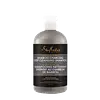 Key Ingredients
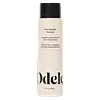
Benefits
Concerns
Ingredients Side-by-side
Water
Skin ConditioningSodium Lauroyl Methyl Isethionate
CleansingCocamidopropyl Betaine
Cleansing



Glycol Distearate
Emollient
Parfum
Masking

Panthenol
Skin Conditioning




Guar Hydroxypropyltrimonium Chloride
Skin ConditioningAloe Barbadensis Leaf Juice
Skin Conditioning
Sodium Benzoate
Masking
Tocopheryl Acetate
Antioxidant


Melaleuca Alternifolia Leaf Oil
Antioxidant



Salix Nigra Bark Extract
Skin ProtectingButyrospermum Parkii Butter
Skin Conditioning

Argania Spinosa Kernel Oil
Emollient
Simmondsia Chinensis Seed Oil
Emollient
Charcoal Powder
Abrasive
Macadamia Ternifolia Seed Oil
Emollient
Cocos Nucifera Oil
Masking
Elaeis Guineensis Kernel Oil
Emollient
Theobroma Cacao Husk
Abrasive
Glycerin
Humectant
Trisodium Ethylenediamine Disuccinate
ChelatingTriethyl Citrate
Masking
Caprylyl Glycol
Emollient
Benzoic Acid
Masking
Water, Sodium Lauroyl Methyl Isethionate, Cocamidopropyl Betaine, Glycol Distearate, Parfum, Panthenol, Guar Hydroxypropyltrimonium Chloride, Aloe Barbadensis Leaf Juice, Sodium Benzoate, Tocopheryl Acetate, Melaleuca Alternifolia Leaf Oil, Salix Nigra Bark Extract, Butyrospermum Parkii Butter, Argania Spinosa Kernel Oil, Simmondsia Chinensis Seed Oil, Charcoal Powder, Macadamia Ternifolia Seed Oil, Cocos Nucifera Oil, Elaeis Guineensis Kernel Oil, Theobroma Cacao Husk, Glycerin, Trisodium Ethylenediamine Disuccinate, Triethyl Citrate, Caprylyl Glycol, Benzoic Acid
Water
Skin ConditioningSodium Lauroyl Methyl Isethionate
CleansingCocamidopropyl Betaine
Cleansing
Propanediol
Solvent
Acrylates Crosspolymer-4
Emulsion StabilisingCocamidopropyl Hydroxysultaine
Cleansing
Glycerin
Humectant
Aminomethyl Propanol
BufferingGlycol Distearate
Emollient
Aloe Barbadensis Leaf Juice
Skin Conditioning
Avena Sativa Kernel Extract
Abrasive
Amaranthus Caudatus Seed Extract
Skin Conditioning
Hydrolyzed Rice Protein
Skin ConditioningHydrolyzed Quinoa
Skin ConditioningCetrimonium Chloride
Antimicrobial
Polyquaternium-10
Ethylhexylglycerin
Skin ConditioningPhenoxyethanol
Preservative
Sodium Hydroxide
BufferingCitric Acid
Buffering
Water, Sodium Lauroyl Methyl Isethionate, Cocamidopropyl Betaine, Propanediol, Acrylates Crosspolymer-4, Cocamidopropyl Hydroxysultaine, Glycerin, Aminomethyl Propanol, Glycol Distearate, Aloe Barbadensis Leaf Juice, Avena Sativa Kernel Extract, Amaranthus Caudatus Seed Extract, Hydrolyzed Rice Protein, Hydrolyzed Quinoa, Cetrimonium Chloride, Polyquaternium-10, Ethylhexylglycerin, Phenoxyethanol, Sodium Hydroxide, Citric Acid
Ingredients Explained
These ingredients are found in both products.
Ingredients higher up in an ingredient list are typically present in a larger amount.
Aloe Barbadensis Leaf Juice is the filtered, stabilized liquid pressed from the inner gel of the aloe vera leaf.
In cosmetics, it shows up as either soothing active or a water-replacement base. It is roughly 98-99% water and the last 1-2% is an interesting mix of polysaccharides, amino acids, vitamins, minerals, and enzymes.
The polysaccharides do most of the work: they bind water at the skin surface for a light, non-greasy hydration boost. And one of the polysaccharides, glycomannan, is linked to fibroblast stimulation + collagen synthesis. This is also why aloe has such a long track record in wound and burn healing.
This ingredient is also calming with anti-inflammatory and mild antimicrobial activity, making it a great pick for sensitive, irritated, or post-sun skin.
Realistic expectations matter though; the solid evidence is mostly limited to hydration, soothing, and wound support. Deeper claims about anti-aging or sun protection are not well backed, and science reviews note it does not prevent radiation-induced skin injury.
Because it plays well with almost everything, it's commonly used as a base alongside other actives like niacinamide or vitamin C.
Typical usage concentrations range from 0.5% (where hydration benefits already show up) all the way to 90%+ (where it replaces water as the main base).
The safety for this ingredient is well-establish as well. Overall, this is a great supporting ingredient for those who want a boost in hydration.
Learn more about Aloe Barbadensis Leaf JuiceCocamidopropyl Betaine is a fatty acid created by mixing similar compounds in coconut oil and dimethylaminopropylamine, a compound with two amino groups.
This ingredient is a surfactant and cleanser. It helps gather the dirt, pollutants, and other impurities in your skin to be washed away. It also helps thicken a product and make the texture more creamy.
Being created from coconut oil means Cocamidopropyl Betaine is hydrating for the skin.
While Cocamidopropyl Betaine was believed to be an allergen, a study from 2012 disproved this. It found two compounds in unpure Cocamidopropyl Betaine to be the irritants: aminoamide and 3-dimethylaminopropylamine. High-grade and pure Cocamidopropyl Betaine did not induce allergic reactions during this study.
Learn more about Cocamidopropyl BetaineGlycerin (or glycerol) is a compound naturally found in your skin. It's a powerhouse humectant that pulls water into the stratum corneum.
Topically, glycerin does several things at once:
Your skin makes glycerin on its own (mostly from sebaceous oil breakdown) and shuttles it to your outermost layer of skin, or your epidermis, via aquaporin-3.
Aquaporin-3 is a transporter that is essential for normal skin hydration, elasticity, and repair. Interestingly, mice lacking in AQP3 have dry and less elastic skin that can be fully corrected with glycerin.
This ingredient is non-irritating, plays well with almost every ingredient, and works across all skin types. Typical use is anywhere between 3-10% but can go up to 79% in some leave-on products.
Just know very high concentrations (>40%) can feel tacky in low humidity.
Glycerin is the name for this ingredient in American English. British English uses Glycerol/Glycerine.
Learn more about GlycerinGlycol Distearate is an emulsifier and emollient that adds a "pearly" appearance to formulations.
That lustrous look you see in many shampoos is due to this ingredient: when cooled, it crystallizes into small platelets that reflect light to give products that rich, shimmering look.
This ingredient is considered safe at present practices of use and concentration and repeated insult patch test with 50% Glycol Distearate on 125 subjects found no evidence of skin irritation, hypersensitivity, or acute toxicity.
Typical use concentrations range from 0.1-10%.
Because it's an ester of stearic acid, it falls into the range that Malassezia likes to metabolize. This ingredient may not be fungal acne safe.
Learn more about Glycol DistearateSodium Lauroyl Methyl Isethionate is a gentle, sulfate-free cleansing agent. It's basically a mild "soap" molecule derived from coconut that makes a soft, cream foam and is very soluble in water.
Typical concentration use ranges from ~0.6-10% in rinse off products and only trace amounts (~0.009%) in leave on products.
The Cosmetic Ingredient Review Expert Panel has assessed it and concluded it to be safe as used at these concentrations when formulated to be non-irritating.
Allergy and sensitization risk is low and often when someone reacts to a cleanser it's due to the fragrance or preservatives rather than this ingredient itself.
Learn more about Sodium Lauroyl Methyl IsethionateWater. It's the most common cosmetic ingredient of all. You'll usually see it at the top of ingredient lists, meaning that it makes up the largest part of the product.
So why is it so popular? Water most often acts as a solvent - this means that it helps dissolve other ingredients into the formulation.
You'll also recognize water as that liquid we all need to stay alive. If you see this, drink a glass of water. Remember to stay hydrated!
Learn more about Water

