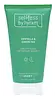
This mild gel cleanser is made to cleanse without leaving your skin tight or dry.

What's inside
What's inside
 Key Ingredients
Benefits
Concerns
Ingredients Side-by-side
Water
Skin ConditioningGlycerin
Humectant


Coco-Glucoside
Cleansing
Cocamidopropyl Betaine
Cleansing


Xanthan Gum
EmulsifyingTriolein
Skin Conditioning
Phenoxyethanol
Preservative
Sodium Chloride
MaskingSodium Benzoate
Masking
Sea Water
HumectantCamellia Sinensis Leaf Extract
Antimicrobial






Citric Acid
Buffering
Centella Asiatica Flower/Leaf/Stem Extract
Skin Conditioning
Hydrolyzed Rhodophyceae Extract
Tocopherol
Antioxidant

Ethylhexylglycerin
Skin ConditioningCamellia Sinensis Leaf Water
Masking
Camellia Sinensis Extract
Antioxidant
Ginkgo Biloba Leaf Extract
Skin Conditioning
Centella Asiatica Extract
Cleansing
Aloe Barbadensis Leaf Juice
Skin Conditioning
Ammonium Lauryl Sulfate
Cleansing

Cocamidopropyl Betaine
Cleansing
Olea Europaea Fruit Oil
Masking

Taraxacum Officinale Extract
Skin ConditioningSimmondsia Chinensis Seed Oil
Emollient
Tocopheryl Acetate
Antioxidant
Equisetum Arvense Extract
AstringentGeranium Maculatum Extract
TonicRosmarinus Officinalis Extract
AntimicrobialCarica Papaya Fruit Extract
Skin ConditioningBorago Officinalis Seed Oil
Emollient
Prunus Amygdalus Dulcis Oil
Skin Conditioning
Cocos Nucifera Fruit Powder
Skin Conditioning
Chamomilla Recutita Extract
Skin Conditioning
Chondrus Crispus
Masking
Cucumis Melo Fruit Extract
Skin ConditioningOenothera Biennis Oil
Emollient
Acrylates/C10-30 Alkyl Acrylate Crosspolymer
Emulsion StabilisingCocamide Mipa
Emulsifying
Sodium Hydroxide
BufferingPhenoxyethanol
Preservative
Camellia Sinensis Leaf Water, Camellia Sinensis Extract, Ginkgo Biloba Leaf Extract, Centella Asiatica Extract, Aloe Barbadensis Leaf Juice, Ammonium Lauryl Sulfate, Cocamidopropyl Betaine, Olea Europaea Fruit Oil, Taraxacum Officinale Extract, Simmondsia Chinensis Seed Oil, Tocopheryl Acetate, Equisetum Arvense Extract, Geranium Maculatum Extract, Rosmarinus Officinalis Extract, Carica Papaya Fruit Extract, Borago Officinalis Seed Oil, Prunus Amygdalus Dulcis Oil, Cocos Nucifera Fruit Powder, Chamomilla Recutita Extract, Chondrus Crispus, Cucumis Melo Fruit Extract, Oenothera Biennis Oil, Acrylates/C10-30 Alkyl Acrylate Crosspolymer, Cocamide Mipa, Sodium Hydroxide, Phenoxyethanol
Reviews
Ingredients Explained
These ingredients are found in both products.
Ingredients higher up in an ingredient list are typically present in a larger amount.
Cocamidopropyl Betaine is a fatty acid created by mixing similar compounds in coconut oil and dimethylaminopropylamine, a compound with two amino groups.
This ingredient is a surfactant and cleanser. It helps gather the dirt, pollutants, and other impurities in your skin to be washed away. It also helps thicken a product and make the texture more creamy.
Being created from coconut oil means Cocamidopropyl Betaine is hydrating for the skin.
While Cocamidopropyl Betaine was believed to be an allergen, a study from 2012 disproved this. It found two compounds in unpure Cocamidopropyl Betaine to be the irritants: aminoamide and 3-dimethylaminopropylamine. High-grade and pure Cocamidopropyl Betaine did not induce allergic reactions during this study.
Learn more about Cocamidopropyl BetainePhenoxyethanol is one of the most widely used preservatives in skincare (and for good reason!).
It has a large spectrum of antimicrobial activity and especially effective bacteria, yeast, and mold while only having a weak effect on your skin's natural microbiome.
On a cellular level, it disrupts the cell membranes of microbes by poking holes that make the cell leak. This shuts down the chemical reactions the microbe needs to make energy so it can no longer survive.
Another perk of this ingredient is that it stays functional across a wide pH range (3-10).
You'll often see it paired with boosters like Ethylhexylglycerin; one study showed that a 1:9 ratio of Ethylhexylglycerin to Phenoxyethanol damages bacterial membranes as effectively as doubling the Phenoxyethanol concentration on its own.
Typical use concentrations range from 0.3-1% depending on the formula, and this ingredient is capped at 1% int the EU.
Safety-wise, the fear mongering does not hold up to the evidence. The EU's Scientific Committee on Consumer Safety and FDA consider it safe as a preservative at up to 1%, including for children of all ages.
Adverse systemic effects only showed up in animal studies at exposures roughly 200x higher than what people get from cosmetics. And despite its very widespread use, this ingredient is a rare sensitizer and allergic reactions are uncommon.
Learn more about Phenoxyethanol

